

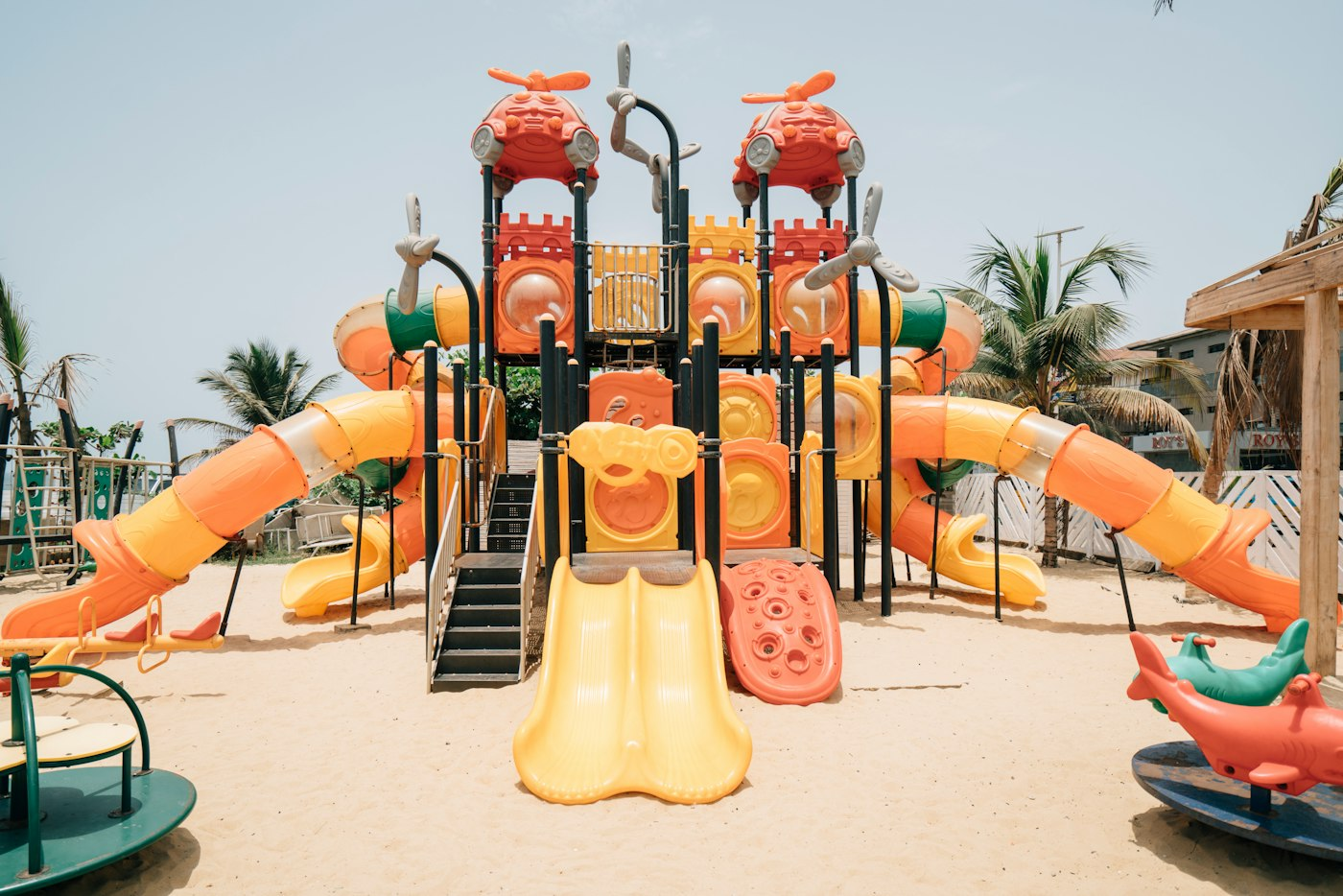
At a busy party, it is surprisingly easy for every adult to assume someone else is watching the children. Parents chat, hosts juggle cake and coffee, and for a few minutes nobody is actually looking at the play area. Planning supervision ahead of time closes that gap.
Make It Clear Who Is Responsible
For toddler and preschool parties, the simplest approach is to ask that each child’s own grown-up stays and remains responsible for them. Put this on the invitation and mention it again at arrival. Parents usually expect it and appreciate the clarity.
Even with parents present, it helps to have a designated “play area watcher,” a trusted adult whose main job is to keep an eye on the space. This person does not replace parents but acts as a second set of eyes, especially during busy moments like gift opening or cake.
Rotate the Role
No one wants to spend the whole party on duty. Set up short shifts of fifteen or twenty minutes among willing family members or close friends. A quick handoff, such as “You have the play area now,” keeps the responsibility clear.
What Good Supervision Looks Like
Active supervision means watching, not just being nearby. The watcher should be:
- Positioned with a clear view of the whole play area
- Off their phone and not carrying food or hot drinks
- Close enough to step in quickly
- Counting heads now and then, especially if the party spans rooms
Set Simple Play Rules
Children follow rules more easily when they are short and positive. Post a few at the entrance and remind kids as they join:
- Socks on, shoes off
- Gentle hands and feet
- No food or drinks in the play area
- Take turns on slides and climbers
Keep an eye on the number of children playing at once. If the space feels crowded, invite some kids to a different activity for a few minutes. Follow any capacity or age guidance from your equipment or rental provider.
When older children join younger ones, energy levels can clash. A five-year-old jumping enthusiastically can easily topple a toddler. If you have a wide age range, consider separate play times, separate areas or a gentle reminder to older kids about little friends.
Plan for the Unexpected
It also helps to brief your watchers before guests arrive. Walk them through the play area, point out the rules sign and agree on how to handle common moments, such as a child who will not share a slide or a toddler who wanders toward the stairs. A shared plan means everyone responds calmly and consistently.
Have a basic first aid kit on hand and know where it is. Keep emergency numbers handy, and make sure at least one adult knows the home address to give if needed. For more in-depth guidance on child safety and first aid, organizations such as the American Red Cross offer courses many parents find valuable.
Supervision may not be the most glamorous part of party planning, but it is what allows everyone else to relax. When parents know the play area is in good hands, the whole room feels lighter.
A Sample Supervision Plan
A written plan, even a short one, makes supervision easy to share. Here is an example for a two-hour toddler party with about a dozen children:
- Setup and arrival: The host greets families at the door while a grandparent takes the first play area shift.
- First hour: An aunt and a family friend trade the play area role every twenty minutes, with the host checking in between greetings.
- Cake time: The play area is closed briefly while everyone gathers at the table. One adult does a quick sweep of the space.
- Second hour: Shifts resume, with a parent volunteer stepping in so family members can enjoy cake and conversation.
- Goodbyes: One adult stays at the play area until the last child has left it, since departures often bring a final burst of excitement.
Write the names and times on a small card near the play area so everyone knows who is on duty.
The Moments When Supervision Slips
Certain points in a party are especially easy to lose track of children. Knowing them helps you plan ahead:
- Arrivals. Parents are taking off coats and greeting friends while children rush ahead to play.
- Cake and gifts. Everyone looks toward the table, and the play area empties of adults even if a few children stay behind.
- Food breaks. Adults get busy with plates, and children drift back to play with food in hand.
- Goodbyes. Doors open and close, children chase each other and parents gather belongings.
- Bathroom trips. One parent may step away with a child, leaving a sibling without their grown-up.
During these moments, it helps to have one adult whose only job is watching the children.
Common Supervision Mistakes
- Assuming padding prevents all injuries. Soft surfaces help, but awkward falls and collisions still happen.
- Letting the watcher multitask. Holding a plate, a baby and a conversation at the same time makes it hard to watch a room.
- Not telling parents the plan. If parents think a helper is in charge of their child, they may step away. Be clear that the watcher is backup, not a replacement.
- Ignoring exits. Doors to the outside, stairs and garages should be closed, gated or watched, especially when toddlers are moving between rooms.
Questions Hosts Ask About Supervision
How many adults should be watching the play area?
It depends on the number and ages of children, the size of the space and the equipment. Many hosts find one dedicated watcher plus nearby parents works for a small group, adding more as numbers grow.
What if a parent drops off and leaves?
For toddler parties, it is reasonable to ask parents to stay. If a drop-off happens, make sure you have a phone number for that parent and assign a specific adult to keep an eye on their child.
Should we take a first aid course before hosting?
It is never required, but many parents find it gives them real peace of mind, not only for parties but for everyday life with young children. Courses in infant and child first aid and CPR are widely offered, and your pediatrician can also share guidance on what to keep in a home first aid kit. Even one trained adult in the room can help everyone feel more at ease.


