

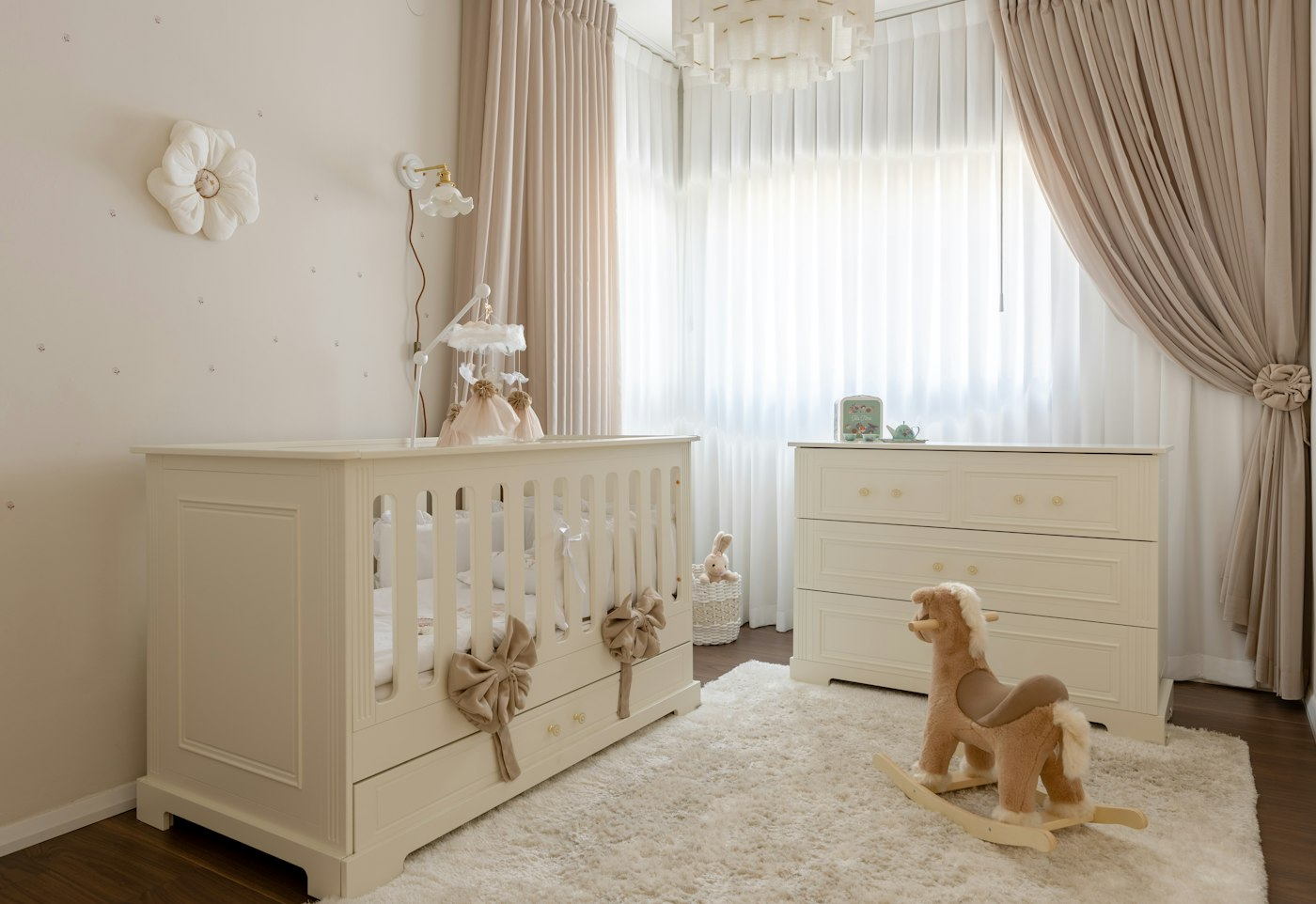
Ask any parent of a toddler what makes or breaks a party, and many will say timing. A well-rested, well-fed toddler is a cheerful guest. A toddler who missed a nap is a very different story. Choosing the right time is one of the simplest ways to set your party up for success.
Know the Common Nap Patterns
Every child is different, but nap schedules often follow general patterns by age:
- Many babies under a year take two or more naps a day, often one mid-morning and one in the afternoon.
- Many toddlers between roughly one and three transition to a single afternoon nap, often starting around midday or early afternoon.
- Many preschoolers between three and five gradually drop naps altogether, though some still need rest time.
Think about the ages of most of your guests, starting with the birthday child, and plan around their typical rhythm.
The Late-Morning Window
For toddler parties, a late-morning slot is a popular choice. Children are typically rested from the night, many have finished a morning nap if they still take one and energy is high. A party ending around lunchtime lets families head home for lunch and an afternoon nap.
If you choose this window, plan food accordingly. A light lunch or substantial snacks prevents hungry meltdowns.
The Mid-Afternoon Window
A start time after typical nap hours is another good option, especially for older toddlers and preschoolers. Children arrive refreshed, and the party can end before dinner. This window works well for families who travel a distance, since it gives them a relaxed morning.
In winter, keep in mind that the sun sets early in many parts of the country. If guests are driving in snowy or icy conditions, ending the party before dark is a considerate choice.
Times to Avoid
Times that tend to be hard for toddlers include:
- The middle of the typical nap window, roughly midday to mid-afternoon
- Late afternoon into dinnertime, when many children get tired and hungry
- Very early mornings, which can rush families with multiple children
Keep It Short
For children under five, ninety minutes to two hours is usually enough. Longer parties tend to end with tired, overstimulated guests. A shorter party also leaves everyone wanting a bit more, which is the best way for a celebration to end.
If your guest list spans several ages, there may be no perfect time for everyone. In that case, prioritize the birthday child’s schedule. A rested guest of honor makes the whole party more enjoyable, and other families can adjust with a little notice.
Include start and end times on your invitation. Parents appreciate knowing exactly when to arrive and when to plan the drive home. If you know a guest has a different nap schedule, let them know they are welcome to come late or leave early. Flexibility makes parents feel welcome and keeps the mood relaxed for everyone.
Sample Party Windows by Age
Every family’s schedule is a little different, but these examples show how the general patterns can translate into actual party times. Adjust them to fit the children you know.
For a First Birthday
If the birthday baby still naps twice a day, look for the stretch between the morning and afternoon naps. For many babies, that falls somewhere in the late morning. A short gathering of about an hour and a half fits neatly into that window.
For a Second Birthday
Many two-year-olds nap once, often after lunch. A late-morning party that ends before lunch, or a mid-afternoon party that starts once most children have woken up, are both good choices.
For a Third or Fourth Birthday
Preschoolers who have dropped their nap are often most cheerful in the morning or early afternoon. If many guests still nap, a later afternoon start keeps their families happy.
For Mixed-Age Guest Lists
Lean toward the birthday child’s best time, then make it easy for others to adjust with clear start and end times and an open invitation to arrive late or leave early.
How to Choose Your Time: A Quick Process
- Write down your child’s typical day. Note wake time, meals and naps. Look for the longest stretch when they are usually rested and fed.
- Think about your guests. Consider the ages of most invited children and any families traveling a distance.
- Check the season. In winter, consider sunset times and road conditions. In summer, consider heat and outdoor plans.
- Plan the food around the time. A late-morning party calls for lunch-like snacks; a mid-afternoon party can focus on lighter treats and cake.
- Set a firm end time. Ninety minutes to two hours is usually ideal for young children.
- Share it clearly. Put both start and end times on the invitation.
Common Timing Mistakes
- Choosing a time that suits adults instead of children. An early evening party may be easier for working parents, but it often catches toddlers at their most tired.
- Running long. It can be tempting to extend a party that is going well, but energy can drop quickly.
- Forgetting setup time. If rentals or decor need to be in place, schedule setup well before the start so the birthday child is not kept up past their nap.
- Cake too late. Bringing out the cake near the end of the party may mean tired children. Mid-party often works better.
Questions Parents Ask About Party Timing
What if my child skips their nap on party day anyway?
It happens, especially with excitement in the air. Keep the party short, offer a quiet corner and plan an early, calm evening afterward.
Is a weekday party ever a good idea?
For very young children who are not in school, a weekday morning can work well, especially if many guests have flexible schedules. For school-age siblings, weekends are usually easier.
Should I ask guests about their children’s nap schedules?
You do not need to, but welcoming families to come and go as needed makes room for every schedule without extra planning.
How early should guests arrive if there is a soft play setup?
Right at the start time is usually best. If your rental provider sets up before the party, build in a comfortable buffer so the equipment is ready and the room is calm when families walk in. Early arrivals are welcome, of course, but letting your child have a few quiet minutes in the play area before the doorbell starts ringing helps them begin the party rested and confident.


