
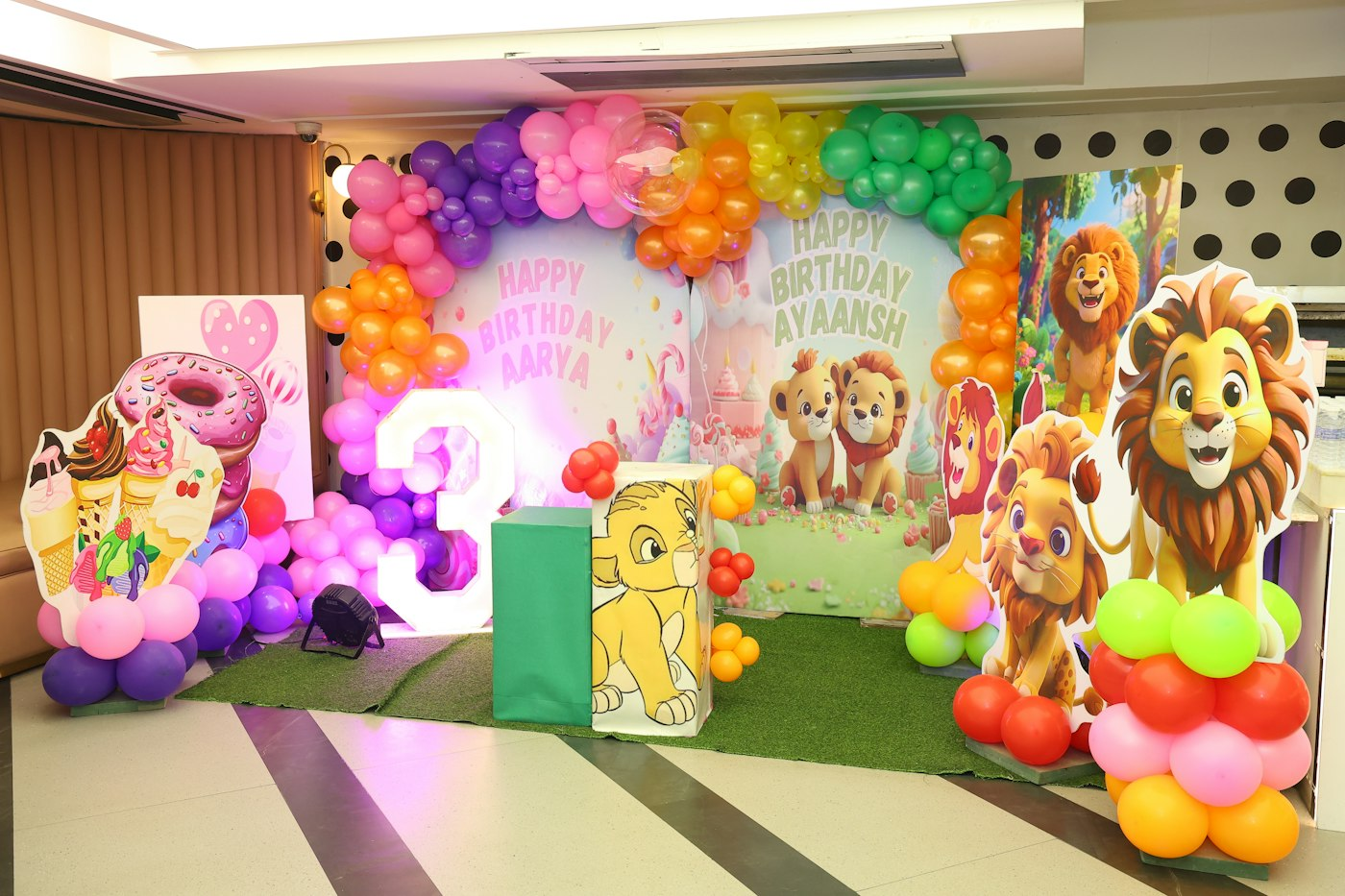
Party themes can feel endless. A scroll through ideas online turns up everything from rainbows and dinosaurs to elaborate storybook worlds. The most memorable themes, though, usually start with a simple question: what does your child love right now?
Start With Their Current Interests
Young children’s interests change quickly, so think about what they are into at this moment, not six months ago. Watch what they play with, what books they ask for and what they talk about. Common favorites for toddlers and preschoolers include:
- Animals, from farm friends to ocean creatures
- Vehicles, such as trucks, trains and airplanes
- Colors, especially rainbows or a single favorite color
- Nature themes, like gardens, butterflies or stars
- Seasonal themes, such as snow, hearts or blossoms
For older toddlers and preschoolers, simply ask. Offer two or three options and let them choose. Children often light up when they help decide.
Think About Your Style Too
A child’s interest does not have to mean loud, cluttered decor. You can interpret almost any theme in a refined way. A dinosaur party can use sage green, cream and natural wood. A rainbow party can lean on soft, muted tones instead of saturated primaries. Choosing a calm palette that reflects your child’s theme makes the party feel both personal and polished.
If you are using soft play in neutral or pastel tones, build your theme around colors that complement the equipment. It becomes a cohesive backdrop instead of a separate element.
Consider the Season
Seasonal themes are easy to execute because the world around you reinforces them. In January, snowflakes, polar animals and cozy pajama parties feel natural. In February, hearts, love bugs and pink palettes fit beautifully. Seasonal themes also offer inspiration for food and favors.
Keep It Simple to Execute
The best themes are clear and easy to carry through. Ask yourself whether you can express the theme with a few key touches: colors, a cake, a welcome sign and a favor. If a theme requires dozens of specialized decorations, it may be more work than it is worth. Often, a few strong details say more than a room filled with themed items.
Avoid Theme Overload
It is easy to get carried away, especially when planning a first birthday or a milestone. Remember that for young children, the experience of play, friends and cake matters more than perfectly themed napkins. Use the theme to guide your choices, not to dictate every detail.
Finally, have fun with it. A theme is a chance to celebrate who your child is right now, at this exact age. Years from now, looking back at photos of the dinosaur or rainbow party will remind you of a specific, wonderful season of their childhood.
A Step-by-Step Way to Land on a Theme
If you are torn between ideas, a simple process can help you choose with confidence.
- Spend a week noticing. Jot down what your child plays with, talks about and asks to read. Patterns usually appear quickly.
- Narrow it to three. Pick the three interests that come up most often.
- Test each one. For each idea, ask whether you can picture the colors, the cake, a welcome sign and a favor. If one feels hard to imagine, set it aside.
- Check your space and season. Some themes fit naturally into a winter living room. Others may suit a spring or summer party better.
- Involve your child. Offer the final two or three options and let them choose. Their excitement is often the deciding factor.
- Choose a palette. Once the theme is set, pick three or four colors that express it and complement your play setup and room.
- Commit and move on. Second-guessing the theme takes time away from the fun parts of planning.
Turning an Interest Into a Polished Theme
Many parents worry that a child’s favorite thing will look busy or loud. A few examples of how to translate common interests into a refined look:
- Trucks and construction: Soft gray, warm yellow and cream, with wooden toy trucks as table decor and soft blocks as “building materials.”
- Ocean animals: Sea glass blue, sandy beige and white, with plush whales and a wave-patterned cake.
- Butterflies: Pale lavender, blush and sage, with paper butterflies hung high and a simple floral cake.
- Space: Navy, silver and soft white, with star garlands and a moon cake.
- A favorite color: Build an entire party around shades of one color, from light to deep, for a modern look.
Common Theme Mistakes
- Choosing for the photos rather than the child. A gorgeous theme your child does not care about will not feel personal. Start with their interests and style from there.
- Locking in too early. Toddlers’ interests can change in weeks. Decide a few weeks out rather than many months ahead.
- Relying on licensed characters for everything. Character items can be fun accents, but building the whole party on them can get expensive and cluttered. A few touches go a long way.
- Ignoring the guests. A theme that requires costumes or specific clothing can be a burden for other families. Keep participation optional.
Questions Parents Ask About Choosing a Theme
Do we need a theme at all?
No. A simple color palette can be just as beautiful and much easier to plan. A theme is a tool, not a requirement.
What if my child changes their mind?
It happens often. If it is early enough, consider switching. If not, add one small detail from their new interest, such as a cake topper or favor, to honor it without starting over.
How do we choose a theme for a first birthday?
Since babies cannot choose, many parents pick something that reflects the season, a favorite book or song, or a nickname. Soft, calm palettes work especially well for little ones and look lovely in photos.
Can siblings share a theme from year to year?
They can, but younger siblings sometimes enjoy having a theme that feels like their own. If you reuse decor, change the palette or add new details so each party reflects the child being celebrated.
How do we work a theme around a soft play setup?
Start with the colors of the equipment and choose a theme whose palette complements them. Neutral, white and pastel pieces suit almost any theme, from snowflakes to gardens, and can be framed with decor nearby rather than on the equipment itself. Your rental provider can share what colors are available before you finalize the look.


