

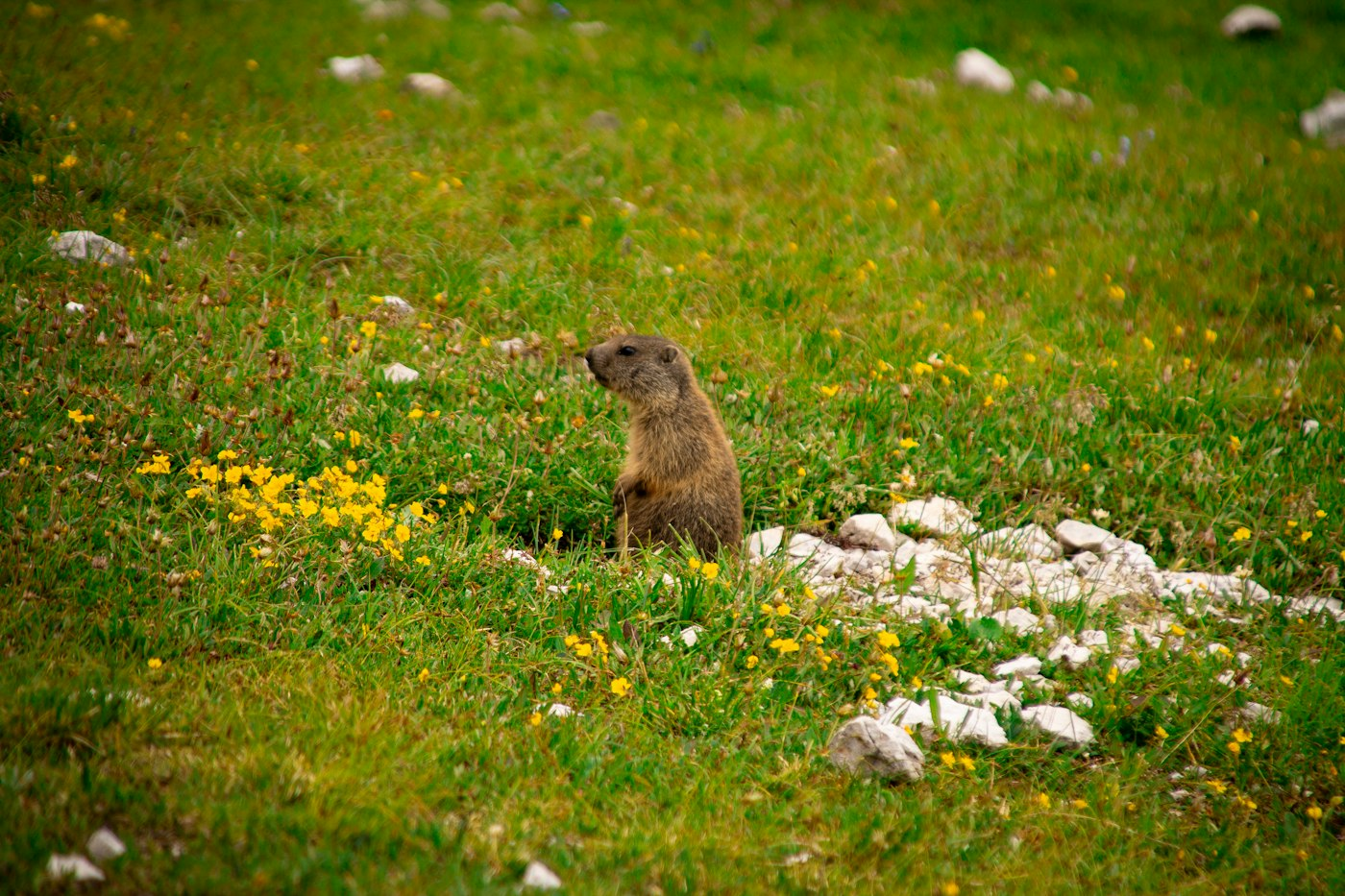
Every February 2, attention turns to a groundhog in Pennsylvania. Will he see his shadow and predict six more weeks of winter, or will spring come early? Groundhog Day is a quirky, cheerful tradition, and it makes a playful theme for a party or playdate in early February.
The Tradition in Brief
Groundhog Day has roots in older European weather lore associated with Candlemas, a Christian feast day on February 2. According to folk tradition, the weather on that day was said to predict the weather to come. German immigrants who settled in Pennsylvania brought related customs with them, and the groundhog became the local forecaster.
The best-known celebration takes place in Punxsutawney, Pennsylvania, where the town’s famous groundhog, Punxsutawney Phil, has been part of the tradition since the late nineteenth century. The custom gained wide popularity, especially after it was featured in a well-known 1993 film. For details about the official celebration, check the event’s organizers or the town’s visitor resources.
Decor With a Burrow Feel
A Groundhog Day party lends itself to cozy, earthy decor:
- A palette of warm browns, cream, sage green and a hint of sunny yellow
- Tunnels and soft play pieces arranged to look like a burrow
- Paper suns and clouds hung high to represent the big question: sun or shadow?
- Plush groundhogs or woodland animals as table decor
- A sign reading “Six more weeks of winter or an early spring?”
Games for Little Forecasters
The theme naturally invites activities about burrows and shadows:
- Pop up, groundhog: Children crawl through soft tunnels and “pop up” at the end. A favorite with toddlers.
- Shadow play: Use a flashlight or lamp to make shadow shapes on a wall. Older preschoolers can try to identify animals.
- Make a prediction: Have each guest vote for “more winter” or “early spring” by placing a sticker on a chart.
- Freeze like a groundhog: Play music and freeze when it stops, like a groundhog spotting its shadow.
Shadow play is especially engaging and introduces young children to a simple idea about light. When something blocks light, it makes a shadow.
Burrow-Themed Snacks
Snacks can follow the woodland idea. “Burrow” cups of yogurt with crushed graham cracker “dirt” on top, sliced fruit arranged like a sun, cheese and crackers or mini muffins all work. As always, keep foods safe for young children and check for allergies.
Favors to Send Home
A small woodland plush, a picture book about seasons or animals, or a flashlight for shadow play at home make fun favors. Add a tag: “Thanks for helping us wait for spring.”
Groundhog Day is a reminder that even in the depths of winter, spring is on its way. A cheerful party on the theme can be a bright spot in a gray month.
Simple Science for Curious Preschoolers
Groundhog Day is a playful opportunity to share a few simple ideas about animals, light and seasons. Preschoolers often love learning a fact or two they can repeat to their families.
Meet the Groundhog
Groundhogs, also called woodchucks, are members of the squirrel family. They dig burrows underground, where they sleep through much of the winter in a deep rest called hibernation. That habit is part of why the groundhog became connected to the idea of waiting for spring.
How Shadows Work
A shadow forms when something blocks light. On a sunny day, the sun’s light is blocked by our bodies, and a shadow appears on the ground. On a cloudy day, the light is spread out, so shadows are faint or hard to see. You can demonstrate this with a lamp and a stuffed animal: hold the toy in front of the light and watch the shadow appear on the wall, then move the toy closer or farther away to see the shadow grow and shrink.
Talking About Seasons
For young children, seasons are easiest to understand through what they see: snow and cold in winter, flowers and rain in spring. A simple picture chart showing winter and spring side by side can help children talk about what they notice outside.
A Sample Flow for a Groundhog Day Party
- Arrival and burrow play: Children explore the soft play “burrow” with tunnels and ramps while families settle in.
- Pop up, groundhog: A short round of crawling through tunnels and popping out at the end.
- Shadow show: With the lights slightly dimmed, an adult makes shadow animals on the wall while children guess what they are.
- Prediction vote: Each child places a sticker under “more winter” or “early spring.”
- Snack time: Burrow cups, sunny fruit plates and muffins at the table.
- Cake or treats: If it is a birthday, a cake decorated with a little groundhog peeking out of the ground is a sweet touch.
- Free play and goodbyes: More time in the play area, then favors at the door.
Tips for a Smooth Party
- Dim lights carefully. For shadow play, lower the lights only slightly and pause active play so children are not climbing in low light.
- Keep the flashlight with an adult. Bright beams can be uncomfortable if shone in eyes. An adult can run the shadow show.
- Make the vote a celebration. Whichever side wins, cheer for both. Children love the excitement of a result without the need for anyone to lose.
- Use the theme beyond February 2. The party does not have to be held on the day itself. Any early February weekend works well.
Questions Parents Ask About This Theme
Is Groundhog Day too obscure for young kids?
Children do not need to know the tradition beforehand. A groundhog popping out of a burrow and a question about the weather are easy for them to understand and enjoy.
What colors work best?
Warm browns, cream and sage feel earthy and cozy, while touches of sunny yellow and soft sky blue bring in the sun-or-shadow question.
Can we combine this with a birthday?
Yes. A child with an early February birthday may love a theme that feels unique to their time of year.
How do we explain the prediction to toddlers?
Keep it simple: “If the groundhog sees his shadow, he goes back to sleep because winter is staying. If not, spring is coming.”
What favors suit older siblings?
A small flashlight for shadow play or a simple book about animals in winter works well for school-age guests.


