
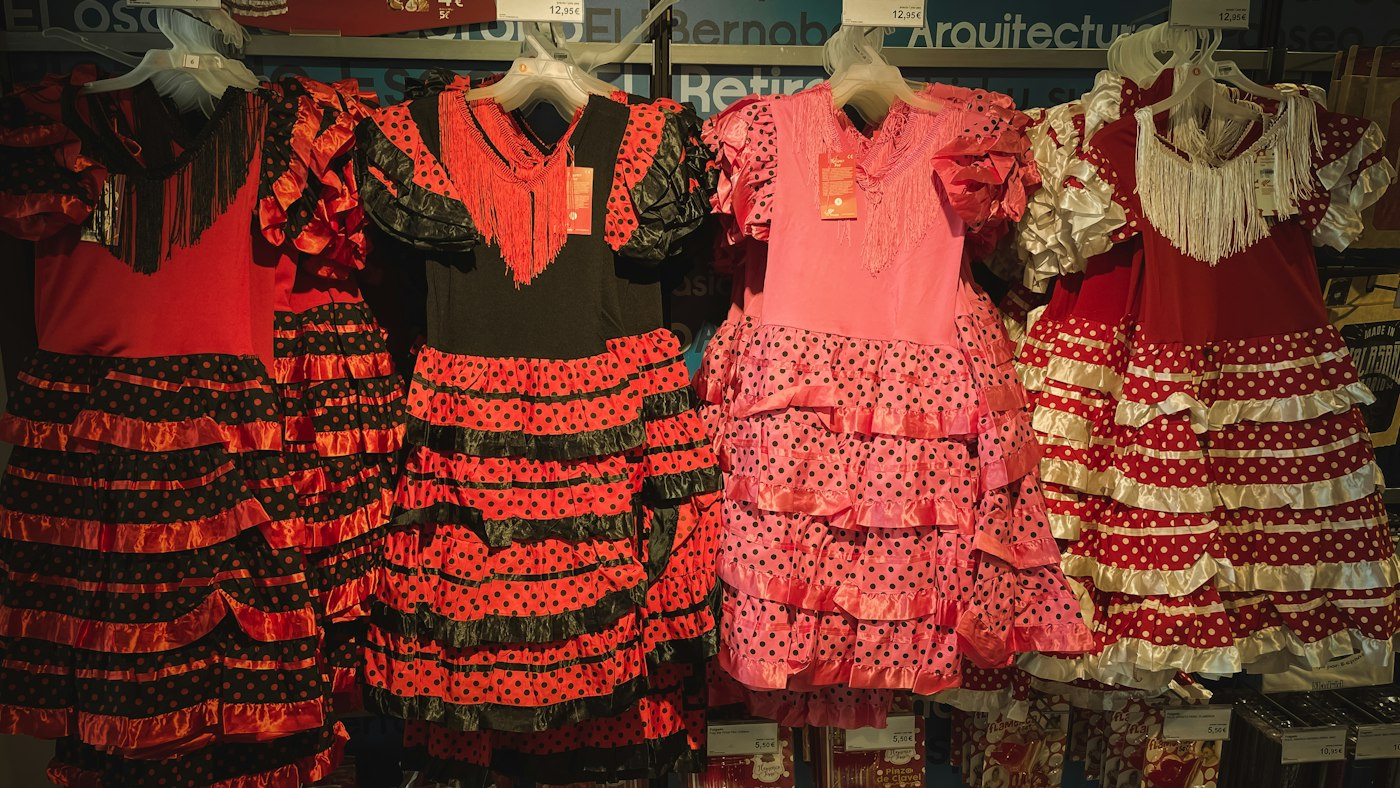
Give a young child a cape, a crown or a pair of fairy wings and watch what happens. Dress-up is one of the most natural forms of pretend play, and it can add a wonderful layer of imagination to a party. Whether you set up a costume corner or ask guests to come dressed up, a little planning makes it smooth.
Why Pretend Play Matters
Pretend play is an important part of early childhood. When children dress up and act out roles, they practice language, explore emotions, solve problems and cooperate with others. A child who becomes a firefighter, a dragon or a doctor is building creativity and social skills along the way. At a party, dress-up helps children who do not know each other find common ground quickly.
Setting Up a Costume Corner
A costume corner is easy to create. Choose a spot near, but separate from, the active play area. Include:
- A rack, hooks or open bins for costumes, so children can see what is available
- A child-safe mirror
- A variety of simple pieces: capes, crowns, hats, scarves, vests, tutus and aprons
- Costumes that fit a range of sizes
Choose pieces that are easy to put on and take off, with elastic or hook-and-loop fasteners rather than complicated ties or buttons.
Safety Considerations
Costumes are fun, but some features can be risky for young children. Keep these in mind:
- Avoid long cords, drawstrings and ties around the neck
- Skip costumes with small detachable parts for babies and young toddlers
- Remove masks that block vision during active play
- Ask children to remove long capes, gowns or trailing costumes before climbing on soft play equipment
- Skip costume shoes and props like wands with sharp ends in the play area
A simple rule works well: costumes for pretend play, regular clothes and socks for climbing.
Costume Themes on Invitations
If you want guests to arrive in costume, make it optional and easy. “Come dressed as your favorite animal if you like” invites participation without pressure. Some families may not have costumes at home, and some children do not enjoy dressing up. Having a few extra pieces available at the party helps everyone join in.
Themes That Work Well
Dress-up fits many party themes:
- A fairy tale party with crowns, capes and wings
- A community helpers party with hats and vests
- An animal party with ears and tails
- A pajama party with robes and slippers
After the party, gather costumes and check each piece before putting it away. Washing fabric items between uses keeps them fresh, and a quick look for loose seams or missing parts keeps the collection safe for the next round of play.
A dress-up station also makes for wonderful photos. Pair it with a simple backdrop and let children pose in their creations. Those pictures, full of imagination and joy, often become favorite memories of the day.
Building a Dress-Up Collection: A Practical Guide
You do not need a closet full of store-bought costumes to create a great dress-up corner. Some of the most loved pieces are simple, open-ended and easy to find.
Start With Open-Ended Pieces
Items that can become many different characters spark the most imagination. A length of soft fabric can be a cape, a cloak, a wedding veil or a superhero banner. A plain vest might belong to a cowboy, a shopkeeper or a detective. Look for:
- Lightweight scarves and fabric squares in several colors
- Short capes with hook-and-loop closures at the front
- Simple crowns and soft headbands with ears
- Aprons, vests and tutus with elastic waists
- Soft hats, such as chef hats, sun hats and knit caps
Add a Few Theme Pieces
Once you have the basics, add a handful of items that fit your party theme. For a fairy tale party, a few crowns and wings. For an animal party, ears, tails and paw-print mittens. Keeping theme items to a small number keeps the corner tidy and easy to manage.
Mind Sizes and Fit
Young children vary widely in size. Pieces with elastic, stretch or adjustable closures fit more guests. Avoid long gowns and robes for toddlers, who may trip on hems.
Running the Costume Corner During the Party
A little structure keeps the costume corner fun rather than chaotic.
- Introduce it early. Point the costume corner out as children arrive so they know it is there.
- Assign a helper. A friendly adult can help children put on and take off pieces and keep the area organized.
- Set a clear boundary. Remind children that costumes stay in the dress-up area or are removed before climbing.
- Offer a quick tidy-up. Every so often, gather pieces back onto hooks or into bins so the next child can find them.
- Plan a parade moment. A short costume parade before cake gives children a chance to show off their creations.
Common Dress-Up Mistakes
- Too many choices. A huge pile of costumes can overwhelm young children. Fewer, visible options are easier to choose from.
- Costumes in the climbing area. Capes and skirts can catch on equipment or under feet. Keep the line between pretend play and climbing clear.
- Uncomfortable fabrics. Scratchy materials and tight elastic can make children want to take things off quickly. Soft, breathable fabrics work better.
- Forgetting hygiene. Hats and headbands are shared from head to head. Washable pieces and a quick wipe or wash afterward keep things fresh.
- Pressuring reluctant children. Some children prefer to watch. Offer, but never insist.
Questions Parents Ask About Dress-Up at Parties
Should the birthday child wear a costume?
If they want to, absolutely. Many children love dressing as a favorite character on their special day. Have a change of comfortable clothes ready in case the costume becomes uncomfortable or gets in the way of play.
What if two children want the same costume?
It happens often. Having duplicates of popular items, such as two capes or two crowns, prevents many conflicts. A gentle timer or taking turns also helps.
Can dress-up work for toddlers?
Yes, with simple pieces. Toddlers often enjoy hats, scarves and soft ears more than full costumes. Keep items large, soft and free of small parts.
Are face paints a good idea?
Some children enjoy them, but others have sensitive skin or simply dislike the feeling. If you include face paint, use products made for children’s skin, ask parents first and set it up away from the play area.


