
Earth Day falls on April 22, and it has been observed since 1970. It is also a fine moment to think about what a children’s party leaves behind. A typical celebration generates a surprising pile: disposable plates, plastic favors, deflated balloons, half-eaten cake and a bag of packaging. None of that is necessary. A lower-waste party can look just as lovely and often feels calmer.
Rethink the Tableware
Disposable plates and cups are the biggest single source of party trash. Alternatives are easier than they sound:
- Use your own dishes, or borrow a set from a friend or neighbor; a dishwasher handles a toddler party in one load
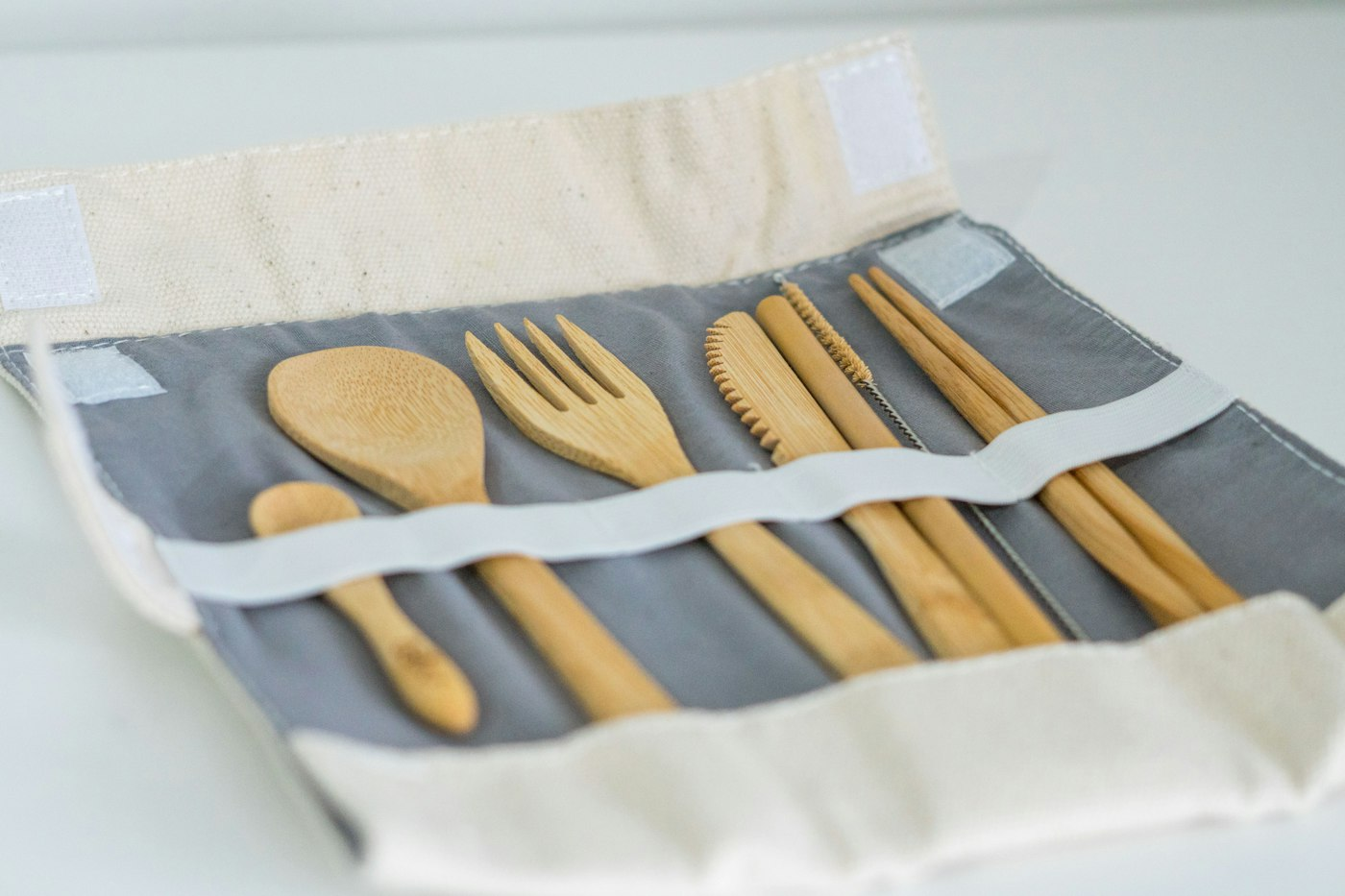
- Buy a set of inexpensive reusable plastic or bamboo plates in a neutral color and keep them in the party closet for every celebration
- Choose cloth napkins in a fun print; they wash easily and make the table look finished
- Serve drinks from a dispenser into labeled reusable cups instead of individual bottles
If you do use disposables, look for uncoated paper that can be composted where your area accepts it.
Decorate With Things That Last
Fabric bunting, paper lanterns, wooden signs and potted plants do the work of balloons and streamers and can be used again. Fresh flowers in jars return to the garden as compost. Rent larger pieces such as play equipment rather than buying items you would use once. Skip glitter and confetti entirely, which are impossible to clean up and end up in the play area.
If balloons matter to your child, use a few rather than a hundred, keep them well out of reach of small children and dispose of them carefully. Never release them outdoors.
Choose Favors That Do Not Become Trash
Plastic trinkets in a bag are the favor most likely to be in a landfill by Monday. Better choices include a book, a packet of seeds for parents to plant with their child, a small potted plant, a wooden toy, a set of chunky crayons or, simplest of all, a slice of cake to take home. Many families skip favors altogether and no one misses them.
Plan Food to Be Eaten
Food waste is the quiet half of party trash. Plan portions for the actual guest count rather than for a crowd that might appear. Serve food on platters so people take what they want. Have containers ready to send leftovers home with guests, which they will appreciate on a busy weekend. Choose fruit, vegetables and simple dishes that keep, and compost scraps if you can.
Handle Gifts Thoughtfully
Gift wrap is beautiful for about four seconds. Suggest reusable gift bags, fabric wrapping or no wrapping at all. Some families request experiences rather than toys, or ask guests to bring a gently used book to swap. If gifts do arrive wrapped, save paper that can be reused and recycle what cannot.
A lower-waste party is not a lecture. Children can help set the table with real dishes, carry compost to a bin, plant the seed favors or decorate cloth napkins. A preschooler who sorts recycling at a party is learning something while having fun, and that is a fitting way to spend an April afternoon.
A Lower-Waste Party Checklist
Use this list as you plan to spot easy swaps:
- Use real or reusable plates, cups and cutlery.
- Choose cloth napkins and a washable tablecloth.
- Serve drinks from a pitcher or dispenser.
- Decorate with fabric, paper lanterns, plants and reusable signs.
- Skip glitter, confetti and balloon releases.
- Choose favors that will be used, or skip favors altogether.
- Plan food for the actual headcount.
- Have containers ready for leftovers.
- Set up clearly labeled bins for recycling, compost and trash.
- Suggest reusable wrapping or no-wrap gifts.
Step-by-Step: Setting Up Sorting Bins
A simple sorting station keeps the cleanup easy and teaches children along the way:
- Choose three bins or bags and label them with words and pictures: recycling, compost and trash.
- Check your local rules to see what your area accepts for recycling and composting.
- Place the station near the food table, but away from the play area.
- Explain it to a helper who can guide guests and children.
- Empty the bins as needed so they do not overflow.
Preschoolers often love being in charge of the sorting. Give them a simple job, such as placing napkins in the compost bin, and praise their work.
Common Lower-Waste Mistakes
- Buying “eco” items you will use once. The best choice is often something you already own or can borrow.
- Making it feel like a lecture. Guests should feel welcome, not judged. Keep it light and positive.
- Forgetting about the cleanup. Real dishes need washing. Plan for the time or recruit help.
- Over-buying food. Plan portions carefully, and remember that toddlers eat very little at parties.
- Ignoring safety for the sake of waste. Some swaps, such as glass dishes near toddlers, are not worth the risk. Choose durable reusable options.
How Renting Reduces Waste
Renting larger items is one of the easiest ways to throw a lower-waste party. Equipment like soft play setups, tables and chairs serve many families over time rather than being bought for one party and stored or thrown away. When you book a setup with us, you get the centerpiece of the party without adding another large item to your home. It is a simple way to keep the celebration special while keeping waste down.
Questions Parents Ask
Will guests think a no-favor party is stingy?
Rarely. Most parents are relieved to skip the plastic trinkets. A slice of cake or a seed packet is plenty.
What about the birthday cake?
Choose a size that matches your guest count, and send leftovers home with families or freeze them for later.
Can children help reduce waste?
Yes. They can help set the table with real dishes, carry napkins to the laundry and plant seeds from their favors at home.
Do I have to do everything on this list?
Not at all. Choose two or three swaps that feel easy this year, such as cloth napkins and seed-packet favors, and add more over time. Every small change counts.
Are reusable decorations really worth it?
For families who host a few times a year, yes. A set of fabric bunting and cloth napkins in a flexible color can appear at birthdays, holidays and playdates for years, and it saves a trip to the store before every party.


