
The first of May has been a day for flowers for a very long time. Long before anyone printed it on a calendar, communities across Europe marked the arrival of warm weather with blossoms, greenery and music. Two of the gentlest May Day customs, the May basket and the flower crown, translate beautifully into a playdate for toddlers and preschoolers.
Where May Day Comes From
Spring festivals are among the oldest celebrations people have kept. The Romans honored Flora, their goddess of flowers, with a festival called the Floralia at the turn of April into May. In Gaelic tradition, Beltane marked the beginning of summer at the start of May. In England and much of northern Europe, villagers went out at dawn to gather flowering branches, a custom called bringing in the May, then danced around a maypole and crowned a May Queen.
May 1 carries other meanings too. In many countries it is a labor holiday, and families with roots elsewhere may know it best that way. For a toddler playdate, though, the flower traditions are the part to borrow.
The American May Basket
In the United States, May Day took a sweet and slightly mischievous form. Through the nineteenth and early twentieth centuries, children made small paper cones or baskets, filled them with flowers or treats and hung them on a neighbor’s doorknob. Then they knocked and ran. In some towns, the person at the door was supposed to give chase. The custom faded in many places but never disappeared, and it is easy to revive.
Making Baskets With Little Hands
For two- and three-year-olds, keep the construction simple and let decorating be the fun part. A paper cone stapled shut by an adult, or a small paper cup with a pipe cleaner handle twisted on by a grown-up, works well. Set out stickers, crayons and washable markers, and let each child decorate their own.
- Fill baskets with sturdy flowers such as daisies, carnations or snapdragons, or with paper flowers made ahead
- Skip small candies for children under four, since they are a choking hazard
- Check that any real flowers are safe for little ones who might taste them, and keep stems short
- Let older preschoolers deliver a basket to a neighbor, with an adult close by
Flower Crowns Without the Fuss
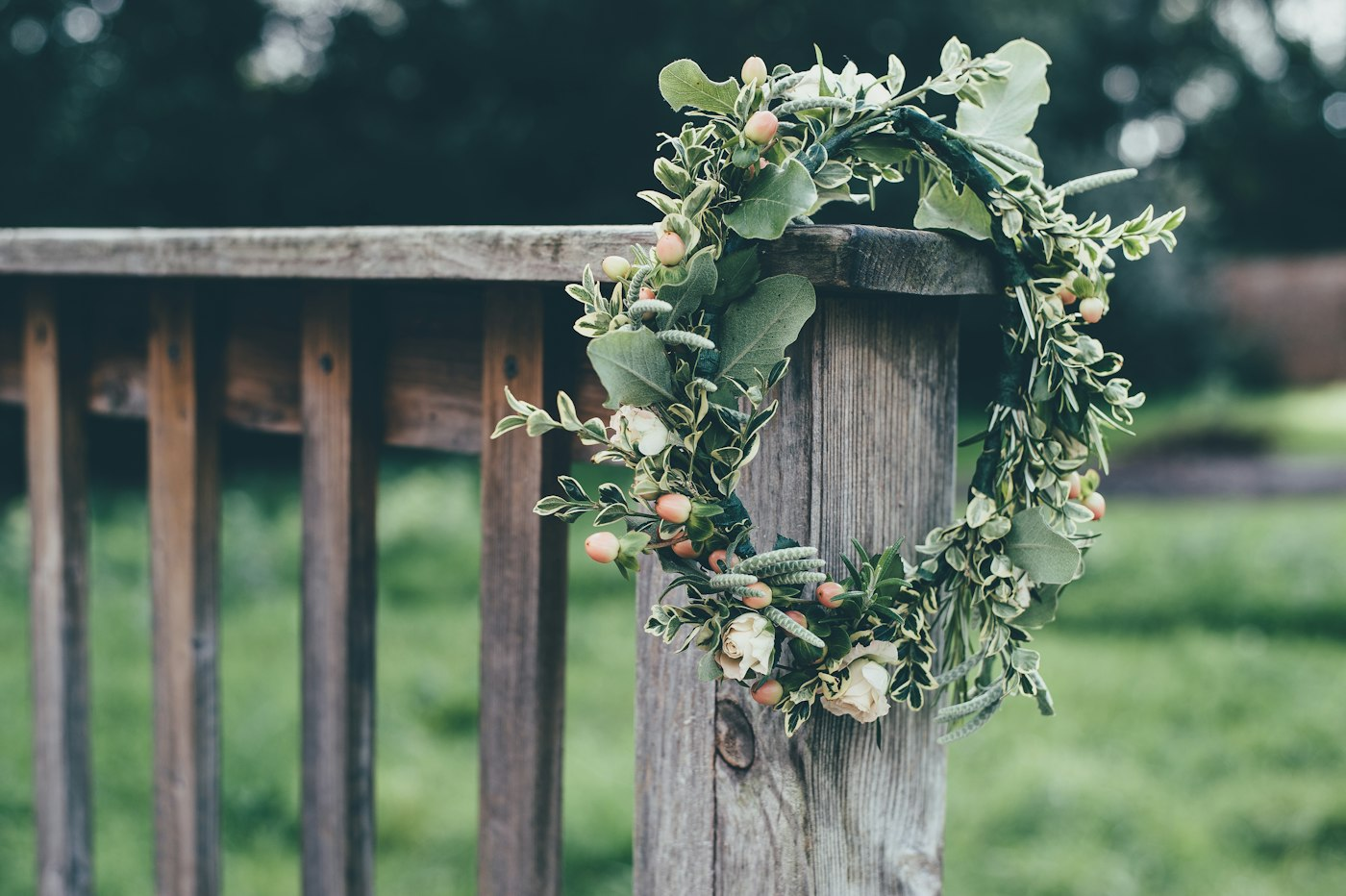
A flower crown is the other half of the tradition, and toddlers love wearing one. The easiest version starts with a band of sturdy paper or felt, sized to each child’s head and closed with tape rather than a staple near the face. Children press on paper flowers, leaves and foam stickers. Real flowers can be tucked into a ribbon band by an adult for a short photo moment, then set aside.
Avoid elastic cords, wire and anything that could tighten around a neck. Crowns should pull off easily and should come off before anyone heads to a play area, a nap or the car.
Putting the Playdate Together
A May Day playdate needs very little structure. Start with basket making at a low table, move outside for a short walk to look for blossoms, and finish with a simple parade in crowns while someone plays music. A circle dance holding hands is a toddler-sized nod to the maypole, with none of the tangled ribbons.
Serve a light snack, take a few photos and send everyone home with their basket. It is a small celebration, but it connects children to one of the oldest ideas people have shared: when the flowers come back, it is worth gathering to notice.
Keeping the Flower Spirit Going Through May
May Day itself is a single morning, but the idea behind it, gathering to notice that the flowers are back, fits the whole month. If the first of May has already passed, or if your calendar was simply too full, a mid-May playdate carries the same charm. Gardens are often fuller by then, more trees are in leaf and the weather is usually warmer for a walk and a parade.
A few ways to stretch the tradition through the season:
- A basket for each week. Make one basket a week through May with your own child, each for a different person: a grandparent, a neighbor, a teacher, a friend from the playground.
- A blossom calendar. On a big sheet of paper, draw a simple outline of a tree, and each time you see a new flower on a walk, add a sticker or a drawing. By the end of the month, it is full.
- A flower crown parade at the park. Invite a few families to meet at a playground with crowns already made at home, walk one loop together and then let the children play.
Adapting the Activities by Age
For one-year-olds
Skip the construction and focus on the senses. Let them hold a large silk or felt flower, touch soft petals on a garden walk and sway to music in a grown-up’s arms. A paper crown is likely to be pulled off and chewed, so save it for a quick photo.
For two-year-olds
Stickers are the star. Pre-made cones and crown bands with large flower stickers let them decorate without frustration. Expect the basket to be filled and emptied several times; that is part of the fun.
For three- and four-year-olds
Let them do more themselves. They can glue paper petals, choose flowers for their basket and help decide which neighbor will receive it. Many love practicing what to say at the door.
For five-year-olds
Add a simple challenge: weave paper strips into a basket with an adult’s help, or make a small card with their own drawing and name to tuck inside.
Getting the Crown Size Right
A crown that is too tight pinches, and one that is too loose slides over the eyes. A quick method:
- Measure around the head just above the eyebrows with a strip of paper or a soft tape measure.
- Add a few inches of overlap for adjustment.
- Cut bands a little longer than you think you need, and size each one on the child before taping.
- Tape the band at the back of the head, well away from the face, so nothing scratches.
Questions Parents Ask
Can a playdate like this include a soft play area?
Yes. A pastel setup gives children a place to move between the calmer activities. Keep crowns and baskets on a shelf at the edge so they survive the climbing.
What do we do with fresh flowers after the playdate?
Put them in water at home, or press a few between the pages of a heavy book to keep as a memory of the day.


