

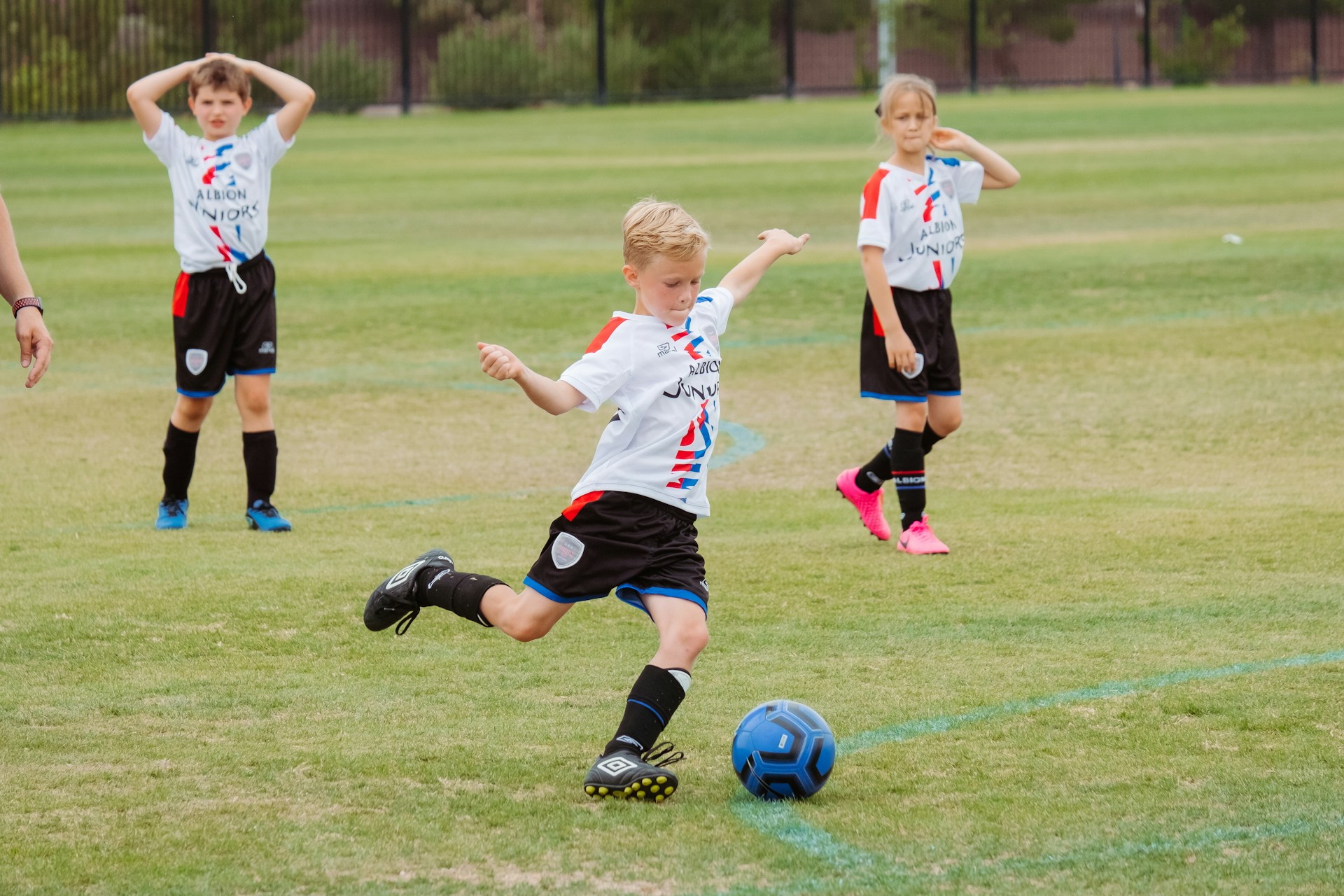
For many young children, a spring season of tee-ball, soccer or gymnastics is their first experience of being part of a team. When the season ends, often in late spring or early summer, a team party is a wonderful way to celebrate. At this age, it is not about winning. It is about friendships, effort and the fun of playing together.
Coordinate With the Team Families
End-of-season parties work best as a shared effort. One parent organizes, others volunteer to bring food, supplies or games, and the work is spread around. A quick message to the team families during the final weeks of the season settles the details: date, location, who brings what and any food allergies to keep in mind.
Check whether the league has guidelines about team parties, awards or gifts for coaches. Many leagues do, and following them keeps things fair for every team.
Choosing the Time and Place
Right after the final game is the easiest time, since everyone is already together and in good spirits. A park with shade and a playground, a picnic pavilion or a family’s backyard all work well. If you use a public park, check the city’s website for reservations and rules for groups. Keep the party to about an hour and a half; young athletes who have just played a game tire quickly.
Have a backup plan for weather. A rain date or a covered pavilion keeps the celebration from washing out, and on a hot day, shade and water matter as much as the food.
Celebrate Every Player
The heart of the party is recognizing every child. Simple ideas:
- A certificate or medal for every player, presented one at a time with the whole team cheering
- A specific, kind compliment for each child, such as best team cheerer or always ready to help
- A team photo printed for each family
- A banner or ball signed by all the players
Avoid awards that single out only a few children. At this age, every child should leave feeling equally celebrated.
Games, Food and Fun
Children who have just finished a game usually still have energy for play. A parents versus kids scrimmage, a relay race, a parachute game or free time on the playground are all good choices. Younger siblings who spent the season on the sidelines will appreciate a turn too, so include a game or a play area sized for them.
Keep the menu simple and easy to serve outdoors: sandwiches or pizza, cut fruit, water and a sheet cake or cupcakes in the team’s colors. Ask families about allergies before settling on the menu, and keep food in the shade.
Thank the Coaches
Many youth sports coaches are volunteers who give up evenings and weekends for the team. A group thank-you, such as a card signed by every player and a small gift from all the families together, means a lot. Let the children present it themselves. A team cheer for the coach at the end of the party is a great way to wrap up the season and to teach young athletes to appreciate the people who help them play.
A Planning Checklist for the Team Parent
Organizing for a whole team can feel like a lot, but most of it fits into a short list. Here is one we suggest to team parents who are hosting for the first time.
- Confirm the date, time and location with the coach and a few families
- Check league guidelines on parties, awards and coach gifts
- Send a message to all team families with the details and a sign-up for food and supplies
- Collect allergy information and share it with anyone bringing food
- Order or make certificates or medals, with every child’s name spelled correctly
- Gather a short compliment for each player, ideally with the coach’s help
- Arrange shade, water, a first-aid kit and trash bags
- Plan a rain or extreme-heat backup and tell families how they will hear about it
- Collect contributions for the coach gift and buy or make the card
A Simple Party Schedule
A clear, short schedule keeps young athletes happy and gives families a natural end time.
- First 15 minutes: Water, snacks and a few minutes to cool off after the game.
- Next 25 minutes: Games, including the parents versus kids scrimmage or relay.
- Next 20 minutes: Lunch or pizza in the shade.
- Next 20 minutes: Awards, compliments and the coach’s thank-you.
- Final 10 minutes: Cake or cupcakes, team photo and the final cheer.
Writing a Compliment for Every Child
The most meaningful part of the party is often the few words spoken about each player. A few tips make them land well:
- Be specific. “Always cheered for teammates from the bench” means more than “great player.”
- Focus on effort and character. Kindness, listening, trying something new and showing up with a smile all count.
- Keep them balanced. Try to make each compliment about the same length, so no child feels singled out or overlooked.
- Let the coach help. Coaches often notice small moments parents miss.
Common Mistakes With Team Parties
- Planning too much. Young children who just finished a game need water, snacks and a few fun minutes, not a long program.
- Leaving out siblings. Little brothers and sisters spent the season watching. A small play area or soft play corner for them keeps the party pleasant for every family.
- Ignoring the heat. Early summer afternoons can be hot. Shade, cold water and breaks matter more than any game.
- One family doing it all. Spreading tasks around keeps it fair and builds a sense of team among the parents too.
Questions Team Parents Ask
Do we need to invite the whole team?
Yes. A team party should include every player and their family, even if some cannot come.
What if families cannot afford to contribute?
Keep contributions optional and private. Offer non-money ways to help, such as bringing water or helping with setup, and make sure every child’s name is on the coach card regardless.
What if the coach cannot come?
Hold the celebration anyway, and have the children make a short video saying thank you or sign a card the team parent can deliver later. The players still deserve their moment together.
Should there be trophies?
That depends on the league. If trophies or medals are given, every child should receive the same one.


