

Camping captures children’s imaginations: tents, flashlights, forest animals and stories under the stars. A backyard campout party brings that adventure to a summer afternoon, without the overnight stay or the real campfire. For preschoolers, it is a wonderful way to play explorer while staying close to home, and younger siblings can join in the fun.
Setting Up Camp
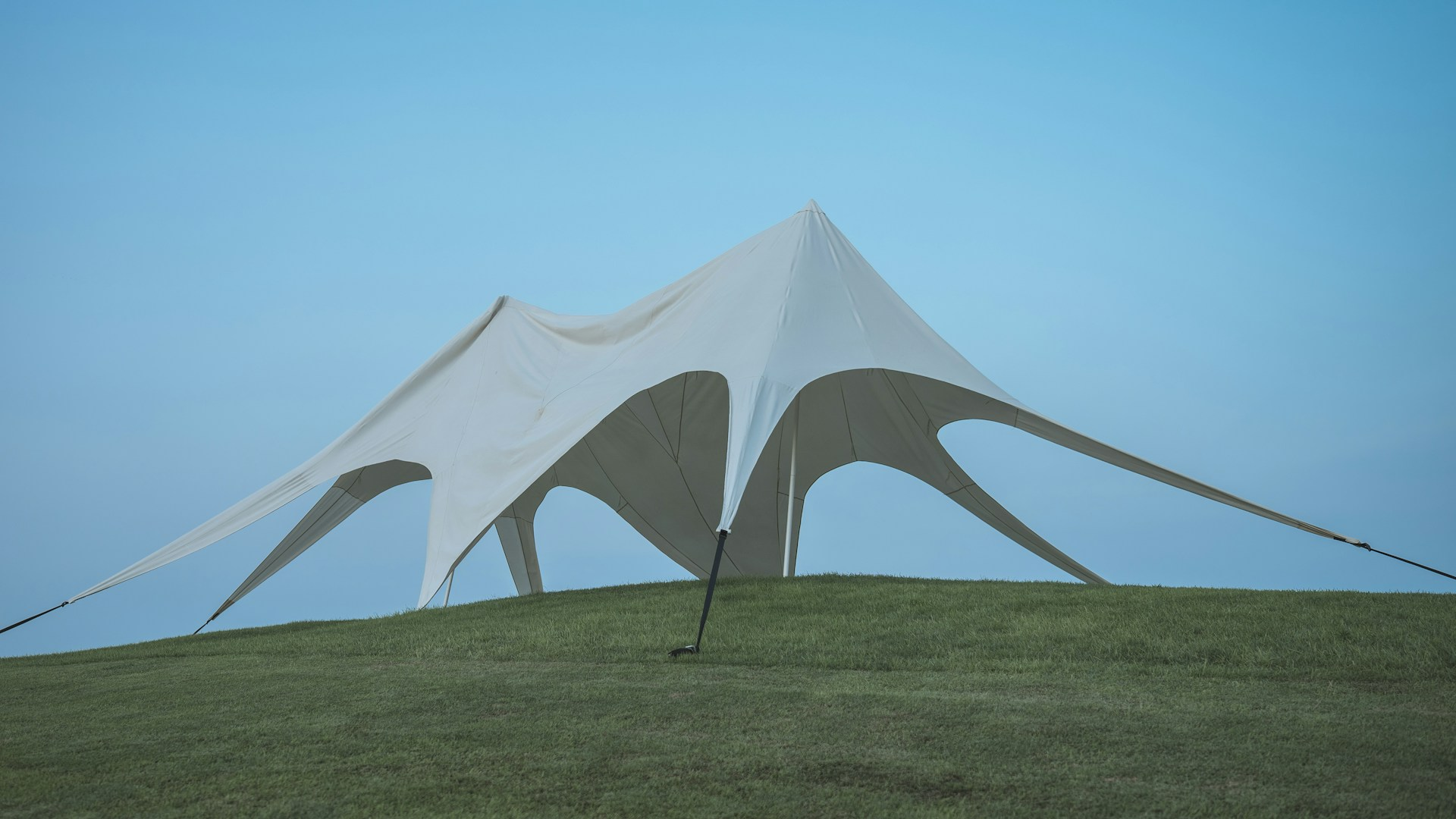
Pop-up play tents or small dome tents set up around the yard create an instant campsite. Place them on flat ground in the shade, with doors facing the center so children can move easily between them. Add camp chairs, a few stumps or cushions for seating and a sign with the name of your camp, such as Camp Birthday or Camp Adventure.
A soft play area can become a mountain to climb or a forest to explore, with a few stuffed bears and owls tucked into the corners.
Keeping Tents Cool and Safe
Tents trap heat, and on a sunny day the inside can get uncomfortably hot quickly. Keep tents in full shade, open the doors and windows for airflow and feel the air inside before letting children play in them. Never let young children play alone in a closed tent. Mark or remove stakes and guy lines, which can trip running children, and use tents designed for children’s play where possible.
A Campfire Without the Fire
A real campfire is not a safe choice for a party with young children, but a pretend one is just as magical. Build one from paper flames, sticks or cardboard tubes with battery-powered lights inside, surrounded by a ring of stones or pillows. Gather the children around it for songs, stories and pretend marshmallow toasting on sticks.
Instead of real s’mores, serve a no-fire version, such as graham crackers with a chocolate spread and banana slices. Regular marshmallows are a choking hazard for young children, so leave them out for toddlers.
Camp Activities
- A nature walk around the yard to look for bugs, leaves and birds
- A flashlight game inside a shaded tent, making shadow animals on the walls
- Animal track stamping with sponges and washable paint
- A pretend fishing trip with a toy pole and a paper lake
- A sing-along around the pretend campfire
Older preschoolers enjoy a simple camp badge they can earn by visiting each activity, with a sticker for every stop.
Food, Favors and Fun
Serve camp-style food: hot dogs cut lengthwise and into small pieces for little ones, a nut-free snack mix for older preschoolers, cut fruit and water in camp mugs. Favors can include small flashlights, bandanas or a junior explorer badge. End the day with a group photo in front of the tents and one last campfire song. Preschoolers will leave feeling like true adventurers, and you will not need to pack a single sleeping bag.
A Campout Party Plan, Hour by Hour
A backyard campout party for preschoolers fits comfortably into about two hours. One shape that works well:
- Check-in at the ranger station (10 minutes): guests arrive at a table with a “Camp Office” sign, pick up a name tag shaped like a pinecone or a tent and receive a badge card for collecting stickers.
- Setting up camp (15 minutes): children explore the tents and the soft play “mountain,” and each chooses a stuffed animal “camp buddy” from a basket.
- Nature walk (15 minutes): a guided walk around the yard with an adult leader and a simple picture checklist of things to spot.
- Activity stations (30 minutes): animal track stamping, pretend fishing and flashlight shadows, with stickers earned at each one.
- Camp lunch (25 minutes): food served picnic-style on blankets, then the no-fire s’mores.
- Campfire circle (15 minutes): songs and a short story around the pretend fire, and the birthday song with candles on the cake.
- Badges and goodbyes (10 minutes): each camper receives their explorer badge and favor.
Building the Pretend Campfire
The campfire is the heart of the party, and a homemade version is easy to build:
- The base: a ring of large smooth stones, pillows in gray and brown, or rolled-up towels.
- The logs: paper towel tubes covered in brown paper, or a few real sticks with the rough ends sanded smooth.
- The flames: red, orange and yellow tissue paper, cut into tall flame shapes and taped to the inside of the log pile.
- The glow: a few battery-powered tea lights or a battery lantern hidden in the center to light the tissue paper from below.
- The seating: a circle of cushions, logs or camp chairs a comfortable distance from the “fire,” just as at a real campsite.
Make sure the battery compartments on any lights are secured with a screw or kept out of reach. Button batteries in particular are dangerous if swallowed, so check that any lights you use have secure covers.
Campfire Songs and Stories
A campfire circle gives the party a calm, cozy moment. Choose songs most children know, or ones with simple actions they can copy. Stories should be gentle: a bear who loses his way home and finds it, an owl who stays up to watch the stars or a little camper who discovers the sounds of the night. Skip scary campfire tales, which can upset preschoolers. Invite children to tell their own camping stories, and you may hear some wonderfully creative adventures.
Common Mistakes to Avoid
- Tents in the sun. Even a short time in direct sunlight can make a tent uncomfortably hot. Shade every tent and check the inside often.
- Too many tents. Three or four small tents are plenty. More tents mean more spaces to supervise.
- Dark tents with no light. Some children are nervous in a dark tent. Leave the door open and offer flashlights.
- Real sticks for pretend roasting. Sharp sticks are hazardous for running children. Use cardboard tubes or short, smooth dowels with rounded ends.
- Leaving stakes in the ground. Pull up or cover any stakes and guy lines in walking paths.
Questions Parents Ask
What age is a campout party best for?
Three- to six-year-olds enjoy it most, since they can play pretend and follow the activities. Toddlers can join in with a parent’s help.
Can we do it indoors if it rains?
Yes. Pop-up tents and the pretend campfire move inside easily. Turning off the lights for flashlight shadows can be even more exciting indoors.
What should campers wear?
Comfortable play clothes and sneakers. A bandana or a hat adds a fun touch for the photo.
How do we keep bugs away from the campsite?
Empty standing water, keep food covered and set up a fan near the eating area. Families can apply insect repellent before arriving, according to the label.


