

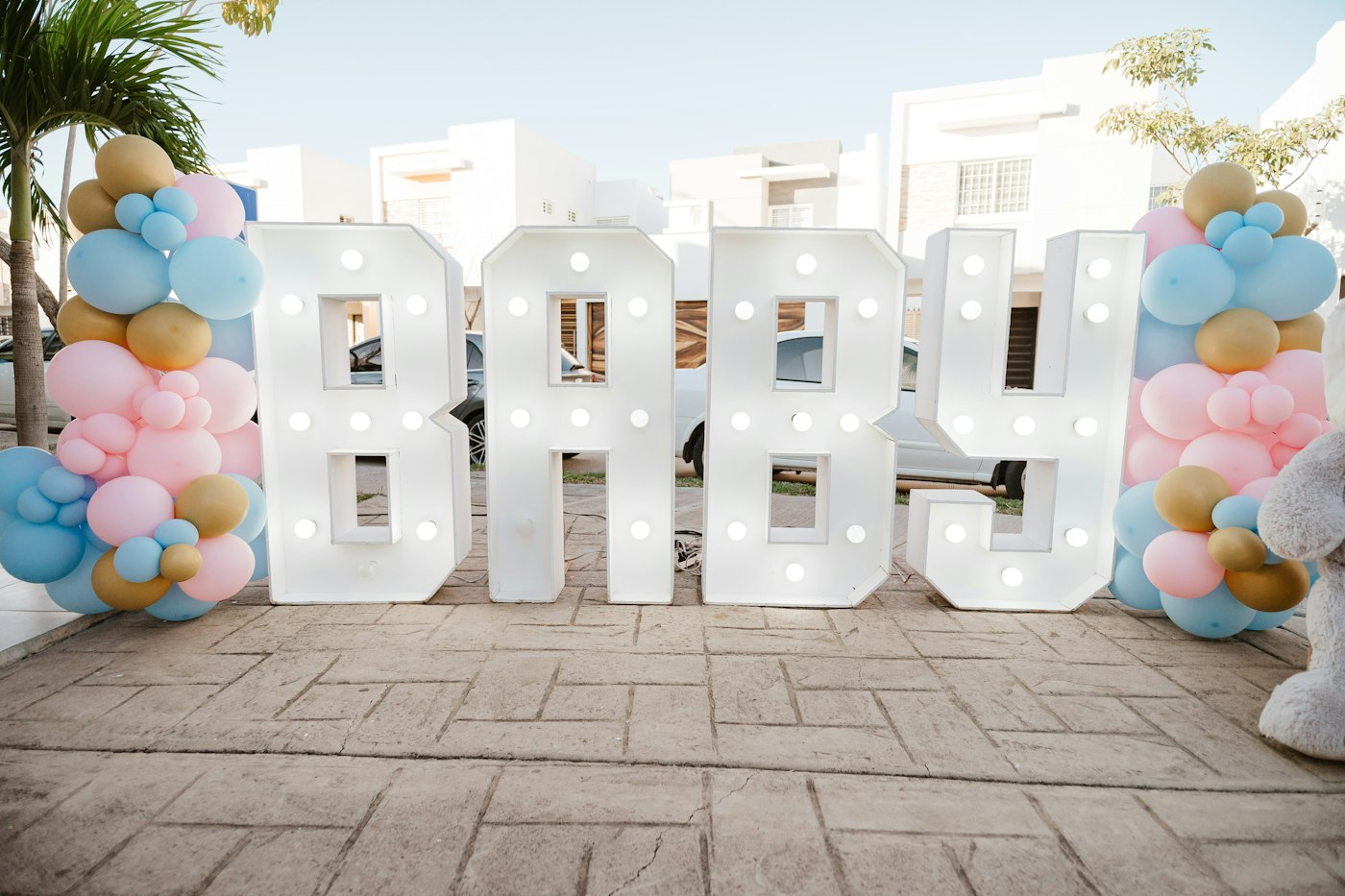
When a new baby arrives, everyone’s attention turns toward the newborn. Visitors bring gifts for the baby, conversations center on the baby, and routines shift around the baby’s needs. For a toddler or preschooler who was the youngest in the family just weeks before, that is a big change. A small big sibling party celebrates the older child’s new role and gives them a moment of their own.
When to Hold It
There is no single right time. Some families celebrate shortly before the due date, as a way to build excitement about becoming a big brother or big sister. Others wait until a few weeks after the baby comes home, when the household has settled a little and the older child is feeling the shift most. Either works. Choose a time when parents have enough energy to enjoy it, and keep the gathering short.
If the party happens after the baby arrives, follow your pediatrician’s guidance about visitors and newborns, and consider keeping the baby in a quiet room while the older child enjoys the spotlight.
Keeping It Small and Simple
A big sibling party works best as an intimate gathering. Grandparents, a few close friends and perhaps one or two of the child’s playmates are plenty, and an hour or so in the backyard or living room is enough. A few simple elements make it feel special:
- A cupcake or small cake with “Big Brother” or “Big Sister” written on top
- A banner or sign with the older child’s name
- A special T-shirt or crown declaring their new title
- Their favorite foods and favorite activities
- A soft play corner or other favorite play setup, so they can play with friends while the adults visit
Gifts and Gestures
Guests often ask what to bring. A picture book about becoming a big sibling, a small toy or a craft kit for the older child are all thoughtful choices. Some families also keep a gift from the baby for the older sibling, which many young children find delightful.
Encourage guests to greet the older child first when they arrive, before asking about the baby. It is a small gesture, but children notice who talks to them.
Activities With a Purpose
A few activities can help the older child feel connected to their new role:
- Decorate a picture frame for a photo of the siblings together
- Make a handprint art piece to hang in the baby’s room
- Look through the older child’s own baby photos and talk about when they were little
- Practice gentle ways to help, like fetching a diaper or singing to the baby
Keep expectations relaxed. Some children love the attention, while others feel shy or tired. Follow their lead.
The heart of a big sibling party is not the decorations or the gifts. It is a clear message to the older child that they are still important, still loved and now have a special job in the family. That message matters for weeks and months after the cupcakes are gone, so look for small ways to keep saying it long after the party ends.
Planning the Party, Step by Step
A big sibling party should feel easy for exhausted parents. Here is a simple approach that keeps it manageable.
- Pick the timing. Decide whether to celebrate before or after the baby arrives, and choose a time of day that suits the older child’s routine.
- Ask for help. A grandparent, aunt or close friend can take on hosting, shopping and setup so parents can focus on the children.
- Keep the guest list short. Choose the people who matter most to the older child.
- Let the older child choose. Their favorite food, a favorite color and a favorite activity make the party feel like theirs.
- Prepare the gift. If you are giving a gift “from the baby,” wrap it ahead of time and decide when it will be given.
- Plan the baby’s place. Decide whether the baby will be in another room, in a carrier or held by a trusted adult, so the older child has the spotlight.
Words That Help Older Children
Young children notice what grown-ups say about them, especially during a big change. A few phrases parents and guests can use:
- “You are such a good big sister.”
- “The baby is lucky to have you.”
- “Can you show me how you help with the baby?”
- “I came to see you today.”
- “Tell me about your favorite toy.”
Encourage guests to ask the older child about themselves, not just about the baby. A conversation about dinosaurs or a favorite book can mean more than any gift.
Common Mistakes With Big Sibling Parties
- Making it about the baby. If guests spend the whole party holding the newborn, the older child may feel the same as before, only more so. Keep the focus clear.
- Too big a party. A crowd is tiring for parents and can overwhelm the older child. Small is better.
- Too much pressure to love the baby. Children need time to adjust. Let feelings come naturally rather than insisting on hugs or kisses.
- Skipping the routine. A big sibling party during nap time can lead to tears. Schedule it around the older child’s day.
- Forgetting follow-up. One party does not cover months of adjustment. Keep up small moments of special attention afterward.
Questions Parents Ask
Is this the same as a sip and see?
Not quite. A sip and see is usually focused on introducing the baby. A big sibling party is focused on the older child, though some families combine elements of both.
What if the older child seems upset by the new baby?
Mixed feelings are very common. Offer reassurance, extra one-on-one time and patience. If you have concerns about how your child is adjusting, your pediatrician is a good person to ask.
Should we have a soft play setup?
For a toddler or preschooler, a soft play corner gives them a place to play with friends while grown-ups visit, and keeps them happily busy away from the baby’s quiet room.
How long should the party last?
About an hour is plenty, especially when parents are adjusting to life with a newborn. End while the older child is still happy.
Can we do this for twins or multiple older children?
Yes. Celebrate each older child by name, with a crown or shirt for every new big brother or sister.


