

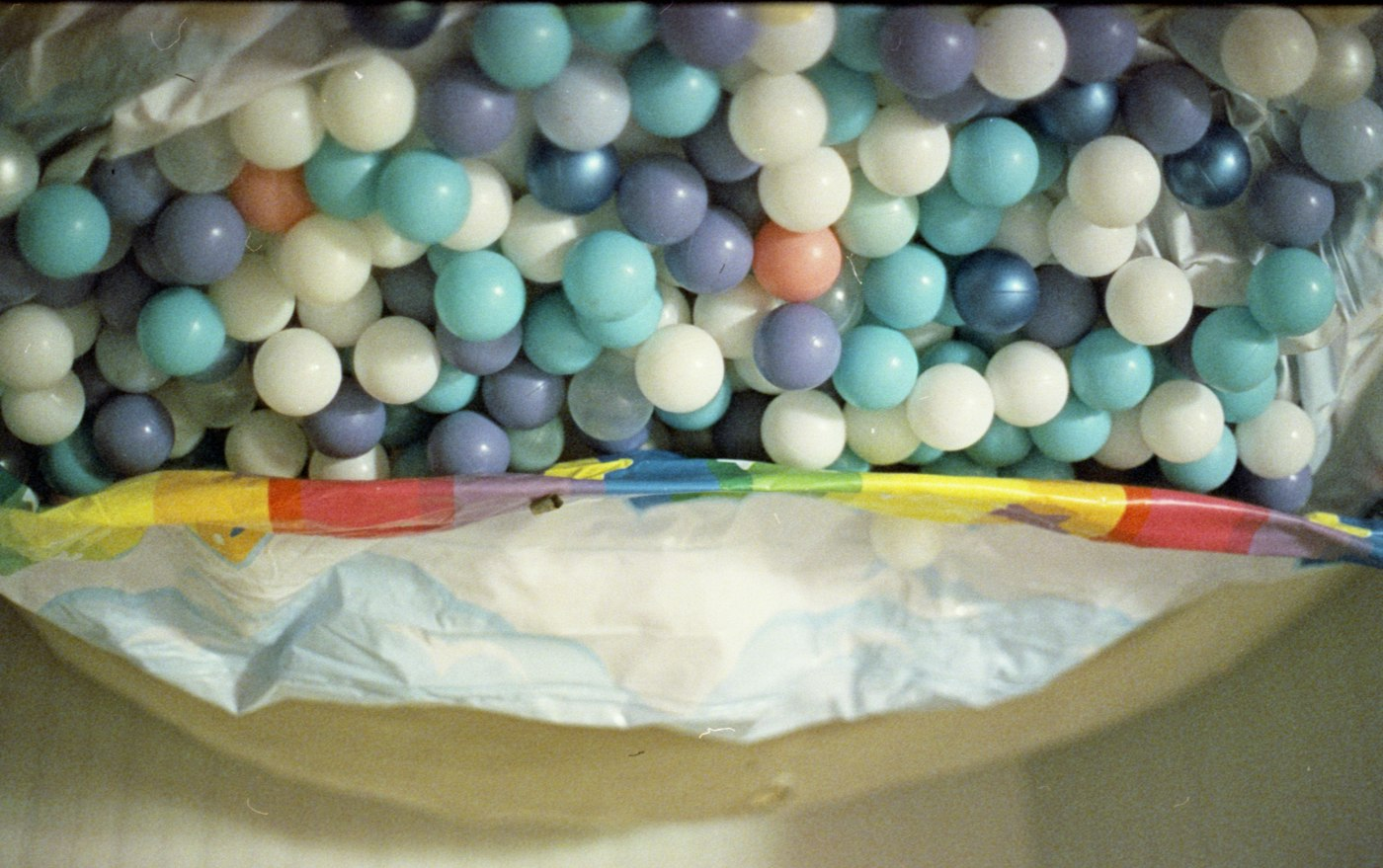
Ask any parent what their toddler heads for first at a party, and the answer is almost always the ball pit. There is a reason for that. Ball pits support sensory processing, motor skills and joyful chaos, all at once and all at a scale a one- or two-year-old can handle. At The Soft Play Social, we deliver, set up and sanitize soft play for toddler and preschool parties, and the ball pit is the piece we watch little ones fall in love with again and again. Here is why it works so well, and how to get the most out of one at your child’s celebration.
Sensory Processing: A Whole-Body Experience
Toddlers learn about the world through their senses, and a ball pit delivers a rich, safe dose of sensory input. When a child steps into a pit, hundreds of smooth, lightweight balls press gently against their legs, arms and torso. That light, even pressure gives the body steady feedback about where it is in space, something occupational therapists often call proprioceptive input. Many children find that feeling calming and organizing, even while they are laughing and splashing.
There is also visual input. A pit full of bright or coordinated colors gives toddlers something to scan, sort and point at. Kids who are just learning color names will often pick up a ball and announce “blue!” or “red!” to anyone nearby. And there is sound: the soft rattle of balls tumbling over each other is part of the fun.
For children who are cautious about new textures, a ball pit is a gentle introduction. They can start by sitting on the edge and dipping a hand in, then a foot, then work up to climbing all the way in. Nothing about it is forced, and nothing is messy in the way sand or water play can be.
Motor Skills: Big Movements and Small Ones
A ball pit is a surprisingly good workout for a small body. Moving through the balls takes more effort than walking on a flat floor, so toddlers build leg strength, balance and core stability without even noticing. Every time a child wades across, sits down, rolls over or pushes back up to standing, they are practicing gross motor skills, the large movements that use arms, legs and trunk.
At the same time, ball pits invite fine motor practice. Picking up one ball, passing it from hand to hand, dropping it into a bucket or tossing it over the edge all use grip, release and hand-eye coordination. You will see toddlers repeat these motions dozens of times. That repetition is exactly how young children master a new skill.
- Climbing in and out builds balance and coordination.
- Wading and falling softly teaches body awareness and how to recover from a tumble.
- Grabbing, tossing and sorting strengthens hands and fingers.
- Burying feet or hands and finding them again plays with object permanence, a big idea for little minds.
Joyful Chaos: Why the Mess-Free Mayhem Matters
Toddlers love to make things happen. Throwing a ball and watching it bounce, scooping an armful and letting it rain down, burrowing until only a head pokes out: these are all ways a child experiments with cause and effect. A ball pit lets them make a big, exciting “mess” that is actually contained and easy to reset.
That joyful chaos has social benefits, too. In a ball pit, toddlers who are not yet ready for structured games can still play side by side, which early childhood educators call parallel play. Over the course of a party you will often see that shift into simple shared play: handing a ball to a friend, hiding together, laughing at the same tumble. For preschoolers, the pit becomes a stage for pretend play, whether it is an ocean, a pile of treasure or a snowstorm.
And it is simply fun. Parties should be joyful, and few things make a two-year-old giggle quite like disappearing into a sea of balls.
Getting the Most Out of a Ball Pit at Your Party
A ball pit is easy to enjoy, but a little planning makes it better for everyone. These are the habits we see working at the parties we set up:
- Keep it age-appropriate. Toddler and preschool soft play is designed for little bodies. Ask older siblings and cousins to enjoy a different activity so the smallest guests can play safely.
- Limit the crowd. A handful of children at a time keeps the pit fun instead of overwhelming. If you have a big guest list, rotate small groups.
- Socks only. Shoes come off before climbing in, and socks stay on. It keeps the balls cleaner and little feet comfortable.
- No food or drinks in the pit. Snacks belong at the table. Crumbs and spills are the fastest way to make a ball pit sticky.
- Assign a grown-up. An adult nearby can help hesitant kids get in, encourage turn-taking and spot when someone needs a break.
- Add a simple game. A ball pit treasure hunt, where kids search for a few special toys or balls of one color, gives preschoolers a mission.
Common Questions Parents Ask
Is my child too young for a ball pit?
Many children who are walking, or even confidently crawling and sitting, enjoy a shallow, supervised ball pit. Every child is different, so follow your little one’s lead and keep an adult close by for the youngest guests.
What if my toddler is nervous?
That is completely normal. Let them watch first, sit on the edge, or hold your hand while they step in. Many cautious kids become the last ones to leave once they warm up.
How clean are rental ball pits?
Cleanliness is one of the first things parents ask about, and it should be. The Soft Play Social sanitizes our soft play equipment, and we encourage simple habits during the party, like socks only and no food in the play area, to keep things fresh from start to finish.
Planning Your Party Around the Ball Pit
Because the ball pit tends to be the center of attention, it helps to think about it when you plan the rest of the day. Pick a ball color mix that matches your theme, place the pit where parents can sit nearby and watch, and leave a clear path between the play area and the snack table. If you are planning a two-hour party, expect the pit to be busiest during the first stretch of play and again after cake, when everyone has a second wind.
What to Do Next
If you are planning a toddler or preschool party, here is a simple next step list:
- Choose a date and a rough guest count.
- Measure the room or outdoor space where you would like the soft play to go.
- Think about a theme or color palette for the ball pit.
- Reach out to us so we can talk through setup options.
The Soft Play Social delivers, sets up and sanitizes soft play for toddler and preschool parties, so you can watch the joyful chaos instead of managing it. Ask us about dates.


