
Balloons, cake, candles and a chorus of “Happy Birthday” feel like timeless parts of childhood. In fact, the children’s birthday party as many people know it today developed gradually over centuries, shaped by different cultures and, more recently, by changing ideas about childhood itself.
Early Birthday Celebrations
Marking birthdays is an ancient practice, though in many early societies it was associated with rulers and important figures rather than ordinary children. Historians often point to ancient civilizations that recorded celebrations for kings and gods. For most of history, many ordinary people did not mark their birthdays in any special way, and some did not know their exact birth dates.
The German Kinderfest
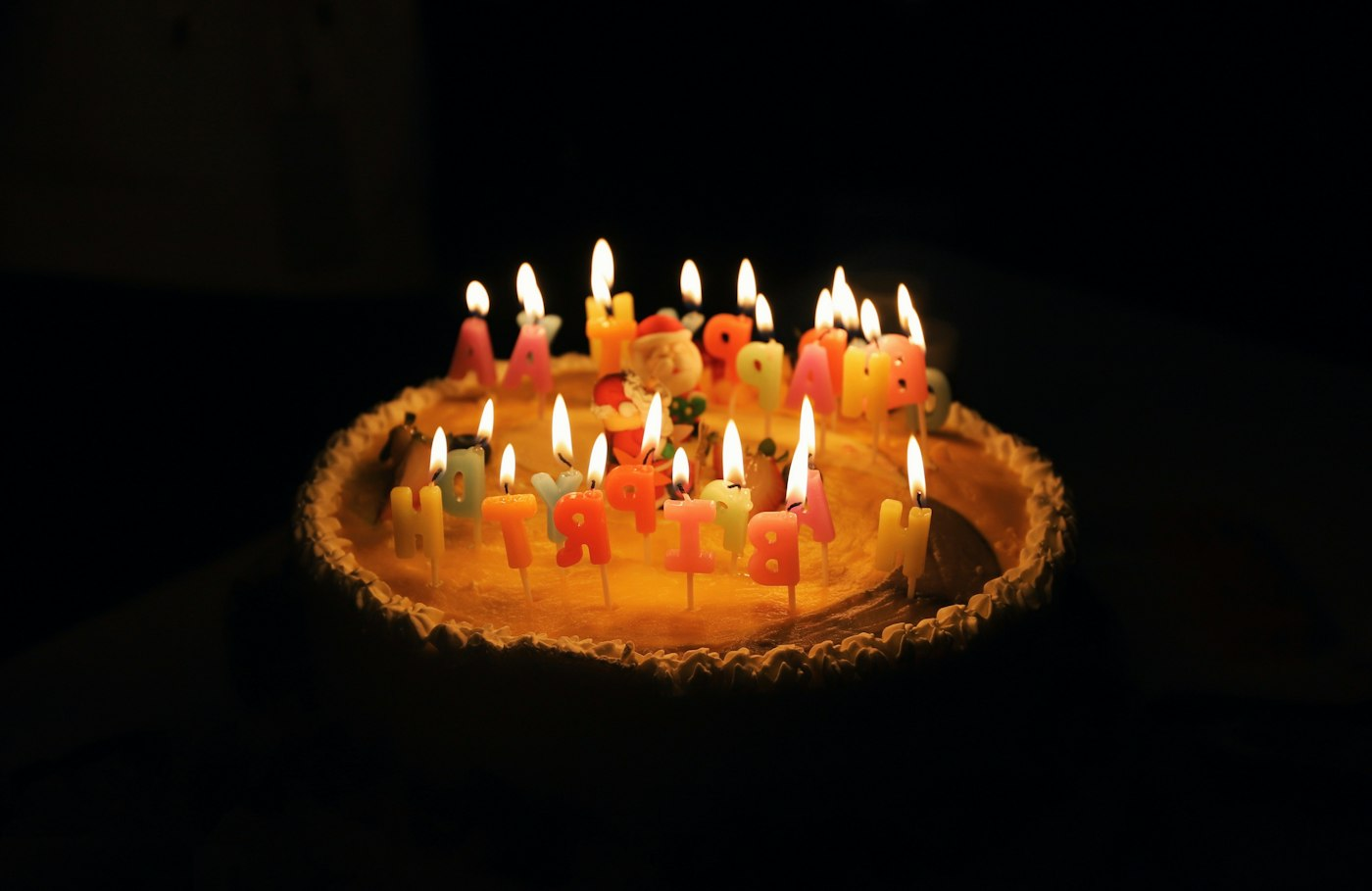
Many historians trace the modern children’s birthday party to Germany, where a celebration known as Kinderfeste developed. Accounts describe children being woken with a cake decorated with candles, often with one candle for each year of life and an extra candle representing the hope of another year. The candles were kept lit through the day and the child made a wish before blowing them out. This tradition is widely credited as one of the roots of the birthday cake and candle custom.
Cakes Become More Accessible
For a long time, elaborate cakes were a luxury, requiring expensive ingredients like refined sugar and white flour. As these ingredients became more affordable and widely available, and as home ovens became common, birthday cakes became something more families could enjoy. Over time, the frosted, decorated cake became a centerpiece of children’s celebrations in many countries.
A Song for Everyone
The familiar “Happy Birthday to You” melody is generally traced to a song called “Good Morning to All,” written in the late nineteenth century by two sisters in Kentucky, Mildred and Patty Hill, who were educators. The birthday lyrics spread widely in the early twentieth century, and today the song is among the most recognized songs in the English language. The song’s copyright history was the subject of a long legal dispute, which is a story in its own right.
The Party as We Know It
In the twentieth century, as ideas about childhood shifted toward seeing it as a special stage of life deserving play and celebration, children’s birthday parties grew more common. Party games such as pin the tail on the donkey and musical chairs became familiar. Decorations, party hats, favor bags and themed celebrations followed.
Today’s parties continue to evolve. Many families now favor smaller, thoughtfully designed gatherings, curated color palettes, experiences over stuff and activities like soft play that let children lead their own fun. The details change with each generation, but the heart of the tradition stays the same: gathering people who love a child to celebrate another year of their life.
Birthday Traditions Around the World
The modern party with cake and candles is common in many places, but families around the world mark birthdays in their own ways. Some of these customs are centuries old, and many families today blend traditions from more than one culture.
Mexico: Las Mañanitas and the Piñata
In Mexico, birthdays are often greeted with “Las Mañanitas,” a traditional song sung to the birthday person, sometimes first thing in the morning. The piñata, a decorated container filled with sweets that children take turns trying to break open, is closely associated with Mexican celebrations and has become a party favorite in many other countries as well.
Korea: The First Birthday
In Korea, a baby’s first birthday, known as the doljanchi, is a major celebration. A well-known part of the day is the doljabi, when the baby is presented with a selection of objects and family members watch to see which one the child picks, a playful way of imagining the child’s future. Seaweed soup is also traditionally eaten on birthdays in Korea.
China: Noodles for a Long Life
In Chinese tradition, long noodles are often eaten on birthdays as a symbol of a long life. The idea is that the length of the noodle reflects the wish for many more years ahead.
The United Kingdom: Birthday Bumps
In parts of the United Kingdom, a playful custom called the “bumps” involves friends gently lifting the birthday child by the arms and legs and lifting them up and down, once for each year. It is the kind of tradition that is best left to older children and careful hands.
How Party Elements Took Shape
Many of the details that feel essential today arrived gradually. A few that families often wonder about:
- Party games. Simple group games became a staple as parties shifted from family meals to gatherings of children. Games that need little equipment, such as musical chairs, spread easily because almost any household could play them.
- Party hats. Paper hats have long been part of festive gatherings, and as printed and mass-produced paper goods became affordable, the cone-shaped hat became a familiar sight at children’s parties.
- Balloons. Rubber balloons became widely available in the twentieth century and quickly became a symbol of celebration. Today, many hosts also think carefully about balloon safety around young children.
- Favor bags. The idea of sending guests home with a small gift is an old gesture of hospitality, and in children’s parties it has grown into the familiar goody bag.
What History Can Teach Today’s Hosts
Looking back at how birthday customs developed offers a helpful perspective for anyone planning a party now.
- Traditions are meant to be adapted. Every custom we take for granted started somewhere and changed over time. Families are free to keep what is meaningful and let go of what is not.
- Simple can be timeless. Many of the most lasting traditions, such as a song, a wish or a special food, cost little and require no elaborate planning.
- Blending cultures enriches a party. Families with roots in different places can combine a traditional song, food or game from each side, creating a celebration that reflects who they are.
- Children remember connection. Across cultures and centuries, the common thread is gathering around a child to say they are loved and celebrated.
Questions Readers Ask About Birthday History
Why do we blow out candles and make a wish?
The exact origins are debated, but the custom is often linked to the German Kinderfest tradition. Over time, the wish became one of the most cherished parts of the ritual for children.
Can we include traditions from our family’s heritage?
Yes, and it can be one of the most meaningful parts of the day. Ask grandparents or older relatives about birthday customs they grew up with. You may discover a song, recipe or game worth bringing back.


