

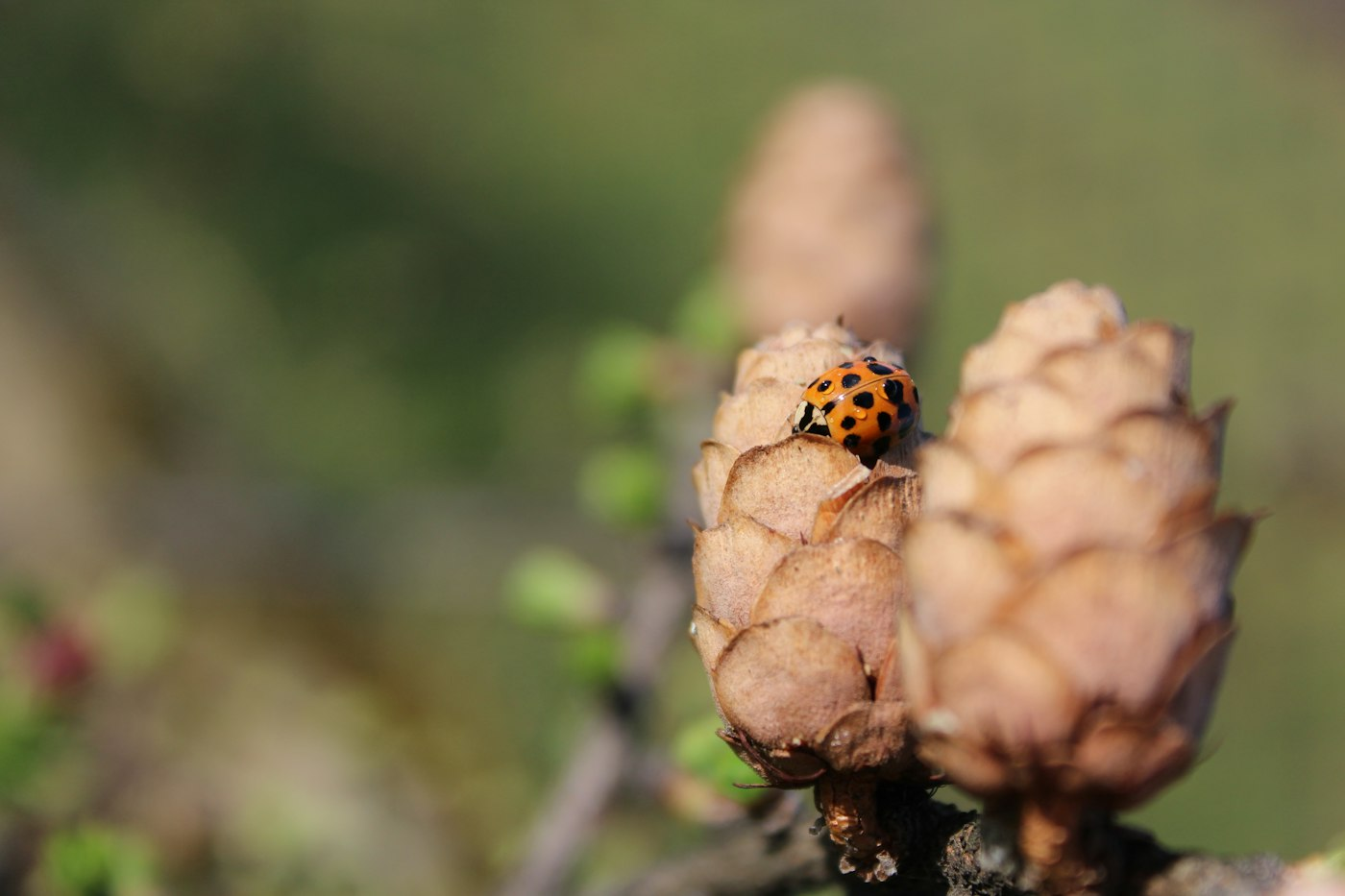
A scavenger hunt for children under five is not about finding hidden objects. It is about noticing. Spring offers more to notice than any other season: new leaves, early flowers, worms after rain, birds building nests. A nature scavenger hunt turns a backyard, park or neighborhood sidewalk into a party activity that costs nothing and ends with every child a small expert on the season.
Make a Picture List
Toddlers and preschoolers cannot read, so the list is pictures. Draw or print a simple card with six to ten items, each as a clear image: a yellow flower, a smooth stone, a feather, a pinecone, a bird, a bug, something green, something soft. Give each child a card and a crayon to mark off finds, or use large stickers to place over each picture. Clip the card to a small clipboard or glue it to a paper bag that doubles as a collecting sack.
For two-year-olds, shorten the list to four or five items and expect them to find most of them with help. For four-year-olds, add a few harder ones, such as a leaf with a hole in it or a seed.
Decide What Gets Collected
Some finds are for touching and leaving, such as flowers in a neighbor’s garden, birds and bugs. Others can go in the bag: fallen leaves, pinecones, stones, feathers, sticks. Explain the difference simply before you begin. Children learn quickly that living things stay where they are and that fallen things can come along. Keep small items such as acorns and berries off the list for children under three, since they are choking hazards, and remind everyone that nothing from the hunt goes in a mouth.
Walk the Route First
Before the party, walk the area where the hunt will happen and check two things: that the items on the list are actually findable, and that the route is safe. Note any plants that should not be touched, standing water, steep spots or paths near a road. Place a few items yourself if nature is not cooperating; a feather tucked into a bush or a pinecone on a step keeps the hunt moving.
Run It as a Group Walk
With toddlers, the hunt is a slow walk together rather than a race. One adult leads, pointing things out and asking questions. Other adults walk alongside the youngest children. Stop often. A single worm can hold a group of three-year-olds for five minutes, and that is the point. Keep the whole hunt to fifteen or twenty minutes, which is as long as most toddlers can stay engaged outdoors.
- Start with the easiest item so every child has a success right away
- Celebrate finds out loud so everyone looks
- Let children show each other what they found
- End at a set spot with a snack and a chance to compare bags
Bring the Finds Back to the Party
After the hunt, lay out a blanket or a low table where children can empty their bags and arrange their treasures. A simple nature collage with wide tape, or a sorting game by color and size, extends the activity. Leaves and petals can be pressed into a card to take home. Wash hands before anyone returns to the play area or the snack table.
A spring scavenger hunt teaches children the oldest party lesson there is: the world outside is interesting if someone helps you look. It fits any theme, needs no shopping and sends children home with a pocket full of stones and a new habit of noticing.
Building a Picture Card That Works
The card is the heart of the hunt, and a few design choices make it easier for little hands and eyes:
- Use big, simple images. One clear object per box, in color, with no background clutter. A child should recognize it at a glance.
- Mix easy and interesting. Put the sure things first, such as grass, a stick and a leaf, then the special ones, such as a feather or something purple.
- Include senses, not just objects. “Something that smells nice,” “something bumpy” or “a sound a bird makes” broaden the hunt and include children who are less interested in collecting.
- Laminate or cover the card. Clear packing tape over a paper card protects it from damp grass and sticky fingers.
- Add the child’s name. Children love seeing their own card, and it avoids confusion at the end.
Adapting the Hunt to the Place
In a backyard
A yard is small, so the hunt goes slowly and closely. Look under flowerpots, along fence lines and in the mulch. A magnifying glass for each child makes ordinary dirt fascinating.
At a park
Parks offer more variety but more to manage. Choose a loop with clear boundaries and avoid areas near water, parking lots and roads. Assign adults to the front and back of the group.
On a neighborhood walk
Sidewalks and front yards are full of spring: tulips in a neighbor’s bed, birds on a wire, a puddle reflecting the sky. Stay on public paths, keep looking without picking in other people’s gardens and hold hands at every driveway and corner.
Common Mistakes to Avoid
- Making it competitive. Little children do not need a winner, and a race tramples the very things they are supposed to notice. Everyone finishes together.
- Running it too long. Twenty minutes outdoors is plenty. Stop while children are still having fun.
- Forgetting rain gear on damp days. Spring hunts are often best after a shower, when worms appear. Mention boots and old clothes on the invitation if that is the plan.
- Carrying finds onto the play area. Sticks, stones and muddy leaves do not belong on soft play mats. Bags stay at the treasure blanket.
Questions Parents Ask
What about plants that might not be safe to touch?
Walk the route ahead of time and steer the group away from anything you are unsure of. Teaching children to look first and touch only when an adult says yes is a good rule for every hunt.
Can a hunt work for a one-year-old?
In a simple form, yes. Carry or walk with them, touch soft grass, look at a flower and listen to a bird. It is not a hunt in the usual sense, but it is a lovely few minutes outdoors.
What if it rains on party day?
A light rain makes for a wonderful hunt in boots and jackets. In heavy rain, try an indoor version with pictures of spring things hidden around the room.


