
Food allergies are common among young children, and some reactions can be serious. For parents of a child with an allergy, every party with food can bring a little worry. For hosts, the goal is simple: make sure every child can celebrate safely and feel included. With a few thoughtful steps, allergy-aware planning is easy and becomes second nature. The basics are these: ask on the invitation, label everything and keep epinephrine access in mind. Here is how to put each step into practice, along with ideas for menus, cake and communication. As with any health topic, this is general information, and families should follow the guidance of their own doctor or allergist.
Ask on the Invitation
The first step in allergy-aware planning is knowing what allergies your guests have. The easiest way is to ask on the invitation. A simple line works well: “Please let us know about any food allergies or dietary needs when you RSVP.”
When parents respond, follow up with a few questions:
- What is the allergy, and how severe is it?
- Does the child react to small amounts or to contact, or only to eating the food?
- Would the parents prefer to bring their child’s own food?
- Is there anything else you should know, such as what to do if a reaction occurs?
Asking early gives you time to plan your menu and shows parents that you care about their child’s safety. Many parents of children with allergies will be grateful that you asked.
Label Everything
Clear labels help parents quickly see what is safe for their child. Label everything on the food table, including snacks, cake, drinks and condiments.
Tips for labeling:
- List the name of each food and its common allergens, such as milk, egg, peanuts, tree nuts, wheat, soy, fish, shellfish or sesame.
- Keep original packaging for store-bought items so parents can read the ingredient list.
- Use simple tent cards or sticky labels in front of each dish.
- Mark allergen-free options clearly, such as “nut-free” or “dairy-free,” only when you are confident they are.
- Note shared equipment if a food was prepared in a kitchen or on equipment that also handles allergens.
When in doubt about an ingredient, it is better to leave it off the table or ask the parent to check than to guess.
Keep Epinephrine Access in Mind
For children with severe allergies, parents often carry epinephrine auto-injectors prescribed by their doctor. If a child with a severe allergy is attending your party:
- Ask the parents where their child’s epinephrine will be kept during the party.
- Make sure the parents or another designated adult will be present and know how to use it.
- Keep the medication accessible, not locked in a car or a back room.
- Know the address of the party location so emergency services can be called quickly if needed.
- Follow the parents’ guidance and their child’s emergency plan.
Hosts are not expected to be medical experts. The responsibility for managing a child’s allergy belongs with their parents and their doctor. But being aware and prepared helps everyone feel more at ease. If you have questions about allergies or reactions, a doctor or allergist is the right person to ask.
Planning an Allergy-Friendly Menu
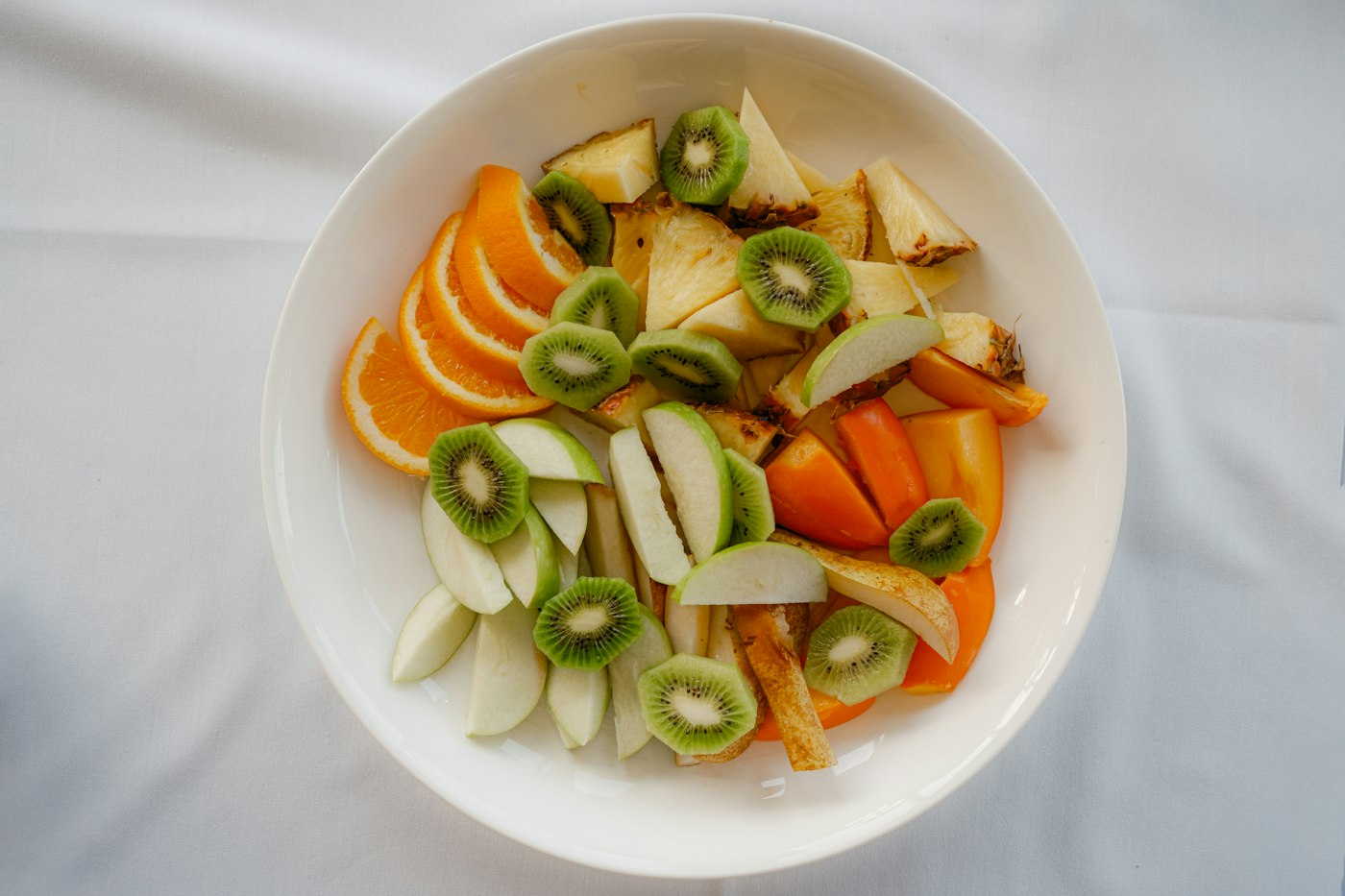
Many simple toddler foods are naturally free of common allergens, which makes building a safer menu easier. Fresh fruit, many vegetables and plain rice cakes are examples, though it is always important to check labels and ask about each child’s specific allergies.
A few menu strategies:
- Keep the menu simple. Fewer ingredients make it easier to know what is in each food.
- Avoid the most serious allergens for your guests. If a child has a severe nut allergy, consider making the whole party nut-free.
- Serve allergen-free foods first and on separate plates to reduce cross-contact.
- Use separate serving utensils for each dish.
- Welcome parents to bring their own snacks for their child.
Cake and Treats
The cake can be one of the trickiest parts of allergy-aware planning, since many cakes contain milk, egg, wheat and sometimes nuts. A few options:
- Order an allergy-friendly cake from a bakery that can explain its ingredients and kitchen practices.
- Bake a cake at home using a recipe free of the relevant allergens, and keep the packaging of every ingredient for reference.
- Offer a separate treat, such as an allergy-friendly cupcake, for children who cannot eat the main cake.
- Ask parents of children with allergies whether they would prefer to bring a treat their child can safely enjoy.
Keeping Food Away From the Play Area
Allergy awareness extends beyond the food table. Crumbs and residue on hands can spread allergens to toys and play equipment. Keep food in a separate area away from the soft play equipment, and encourage hand washing or wiping after eating and before children return to play. Our equipment is sanitized before every event, and keeping food off the play area helps keep it clean during the party.
Allergy-Aware Checklist
- Ask about allergies on the invitation.
- Follow up with parents about severity and preferences.
- Plan a simple menu and label everything.
- Use separate utensils and serve allergen-free foods first.
- Confirm where epinephrine is kept and who will be present to use it.
- Keep food away from the play area and encourage hand washing.
Thoughtful planning lets every child enjoy the celebration safely. The Soft Play Social delivers, sets up and sanitizes soft play for toddler and preschool parties. Ask us about dates.


