

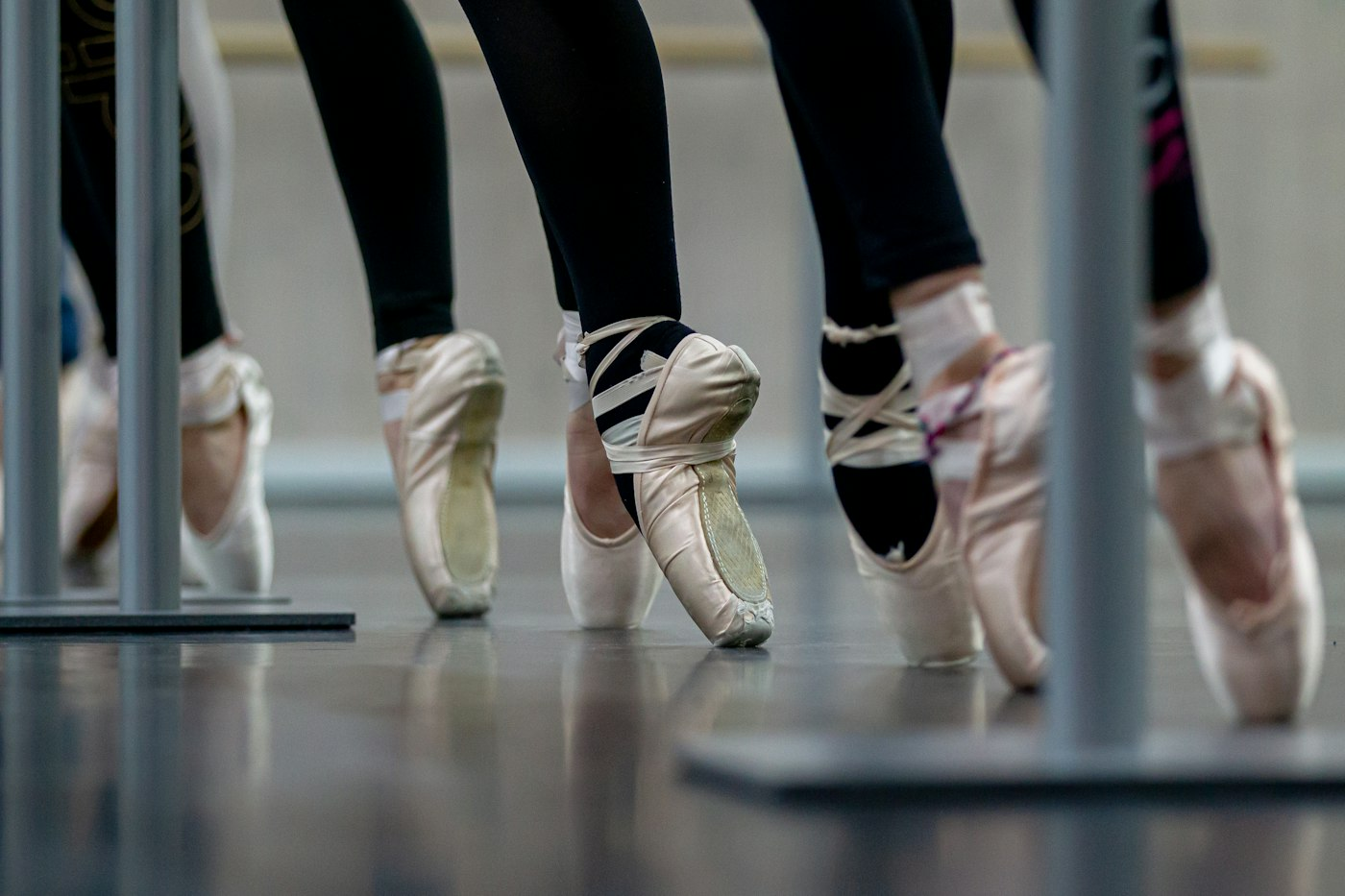
For many young children, late spring brings their first big performance: a dance recital, a preschool music show, a gymnastics exhibition or a class play. Families arrive with flowers and cameras, and children walk off the stage glowing, exhausted or both. A small celebration afterward can be the perfect way to mark the moment, as long as it fits how a young performer actually feels after the curtain falls.
Expect a Tired Performer
Recitals ask a lot of small children. There is usually a long wait backstage, bright lights, a big audience, a costume that may itch and the pressure of performing. Many children are hungry, overstimulated and ready for a nap by the end, even if they are thrilled. Plan a celebration that lets them decompress rather than one that asks them to perform all over again.
A short gathering soon after the show, or a celebration the next day, usually works better than a big party late in the evening.
Flowers and Other Traditions
Giving flowers to a performer is a long-standing tradition, and young dancers love receiving their own small bouquet. A single flower, a small bunch or a paper bouquet made by a sibling all count. Other simple traditions families enjoy:
- A photo with the costume and the bouquet, taken before the child changes
- A special treat, like a cupcake or a trip for ice cream, that becomes a yearly recital ritual
- A card from grandparents that the child can keep in a memory box
- A small keepsake, such as a framed program or a photo from the show
Plan the Change Out of Costume
Costumes, tights and stage makeup are rarely comfortable for long. Bring a change of soft clothes and something to remove makeup gently, with care around little eyes. Have a snack and water ready right away, since many performances run through usual meal or snack times. A child who is fed and comfortable is much more likely to enjoy the celebration.
A Small Gathering That Feels Special
If you host family or friends afterward, keep it simple. A backyard picnic, a brunch the next morning or a casual pizza dinner gives grandparents a chance to say how proud they are. Set out a few photos from the performance, play the music from the routine and let the performer show a few steps if they want to, without anyone insisting. Siblings who sat still through the whole show deserve some fun too, so a play area or a game in the yard helps everyone unwind.
Celebrate the Effort
Whatever happened on stage, the celebration should focus on effort and courage. Some children freeze, wave at the audience or wander off in the middle of the routine. All of it is normal at this age. Telling a child that you loved watching them, and that you noticed how hard they practiced, matters more than any detail of the performance. That message is the real gift, and it makes the next recital something to look forward to.
Planning the Day Around the Performance
Recital day often runs long. A little planning before the show makes the celebration afterward easier on everyone.
- Pack a recital bag the night before. Include soft clothes, makeup remover wipes, a hairbrush, water, a filling snack and a small comfort item.
- Eat before the call time. A real meal before the child arrives backstage helps more than a snack eaten in the car.
- Decide on the celebration before the show. Know whether you are heading straight to a gathering, going home for a nap or celebrating tomorrow, so no one is negotiating in the parking lot.
- Arrange the flowers in advance. Florists and grocery stores near recital venues can sell out on show days. Buy or make a bouquet ahead and keep it cool.
- Plan for siblings. A small bag of quiet activities, snacks and headphones keeps younger brothers and sisters content through a long program.
Ideas for the Gathering
A post-performance gathering works best when it is relaxed and gives the performer room to be a regular kid again. A few ideas:
- A “curtain call” moment. At the start, invite the performer to take a bow while everyone claps. It is short, celebratory and does not ask them to perform again.
- A dance-party corner. Put on the recital music and let anyone dance. Siblings and cousins often join in, and the performer can show off or simply enjoy it.
- A memory table. The program, the bouquet, a photo from backstage and the costume’s accessories laid out for guests to admire.
- A play area. A soft play setup or simple backyard games give children who sat through a long show somewhere to move.
- Comfort food. Pizza, pasta, sandwiches or a favorite snack. Tired performers are rarely adventurous eaters.
Words That Help
What adults say after a performance stays with children. A few phrases worth having ready:
- “I loved watching you dance.”
- “You practiced so hard for this.”
- “What was your favorite part?”
- “It took courage to go on that stage.”
Skip comparisons with other children and corrections about steps. If a child brings up a mistake themselves, listen and reassure them that every performer has moments like that.
Questions Parents Ask
Should we invite friends from the class?
It can be lovely, especially if several families plan a joint picnic after the show. Coordinate with other parents so no child feels left out.
What if my child had a hard time on stage?
Celebrate anyway. Focus on the bravery of getting up there and the practice that came before. Children bounce back quickly when the adults around them stay warm and calm.
Is a gift expected?
Not at all. Flowers or a small treat are traditional, and many families simply make the celebration itself the gift.
How do we handle a long gap between the show and the gathering?
Go home first. A bath, a meal and an hour of quiet often turn a frazzled performer into a happy host. Guests can arrive in the late afternoon or the next morning, and the child will enjoy it far more.
What about recitals that run late into the evening?
Keep the night itself simple: flowers in the lobby, a photo and straight home to bed. Save the gathering for the next day, when a well-rested child can enjoy the attention, play with cousins and tell everyone about their favorite part of the show.


