

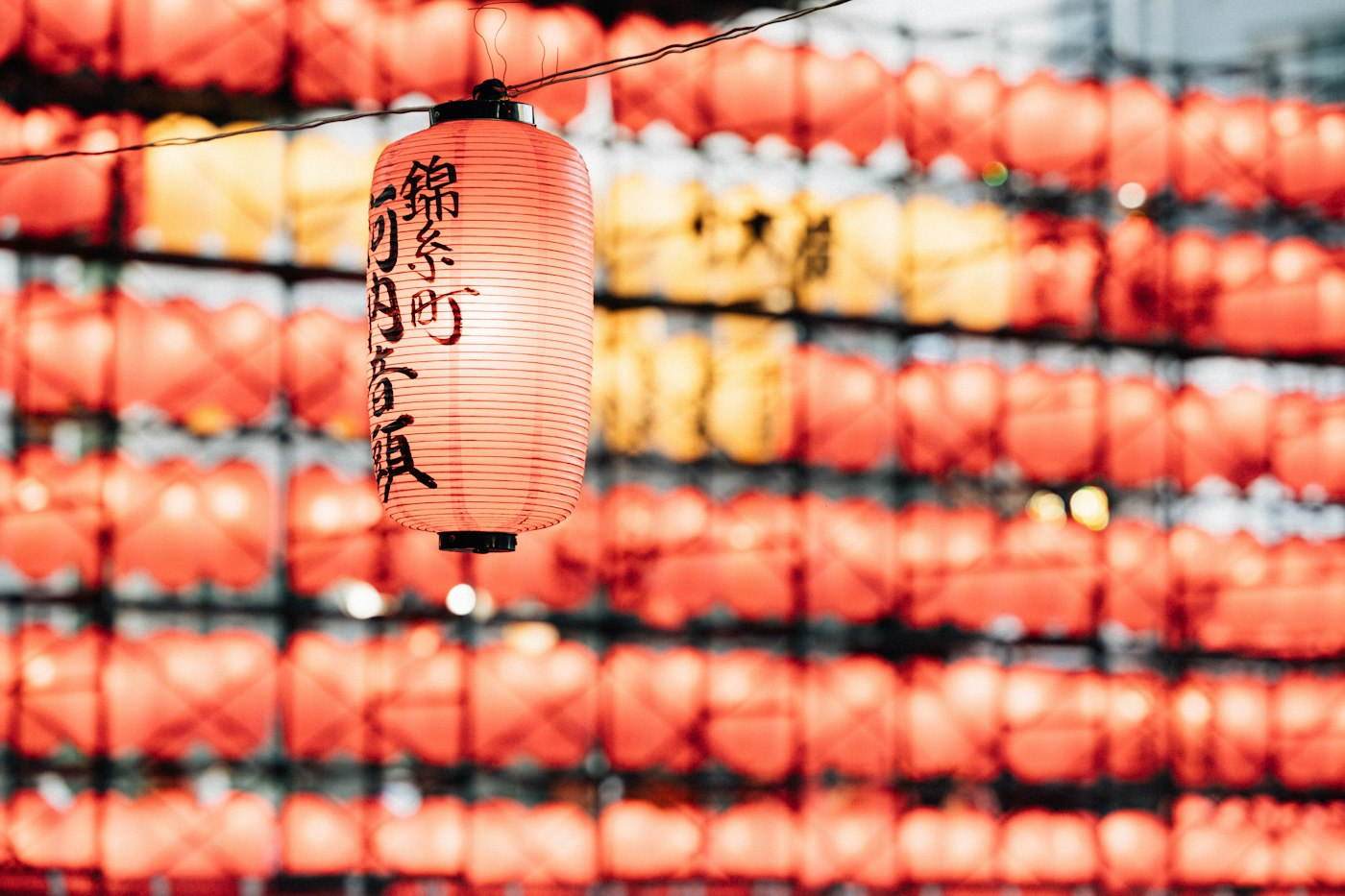
Lunar New Year is one of the most important celebrations for many communities around the world, including Chinese, Korean, Vietnamese and other cultures, each with its own traditions and names for the holiday. Because it follows a lunisolar calendar, the date changes each year, typically falling between late January and mid-February. For families with young children, it is a wonderful opportunity to share culture, color and joy.
A Few Widely Shared Traditions
Traditions vary by culture, region and family. Some that many families observe include:
- Family gatherings: Reunion meals bringing generations together.
- The color red: Red is associated with good fortune and celebration in many traditions.
- Red envelopes: Envelopes containing money, often given by elders to children, known by different names in different cultures.
- Zodiac animals: In Chinese tradition, each year is associated with one of twelve zodiac animals.
- Lion and dragon dances: Performances often seen at community celebrations.
- Cleaning before the new year: Many families clean their homes beforehand to sweep away the old year.
If you are celebrating a tradition from your own family’s heritage, follow your family’s customs. If you are learning about a culture that is not your own, approach it with curiosity and respect, and consider learning from community members, museums or cultural organizations.
Making It Meaningful for Little Ones
Young children understand celebrations best through hands-on experiences. Ideas for toddlers and preschoolers include:
- Reading picture books about Lunar New Year traditions
- Learning about the zodiac animal for the year and the animal for their own birth year
- Making simple paper lanterns with adult help
- Watching a lion dance video or attending a community celebration
- Helping prepare a simple family dish
Hosting a Family Gathering
If you are hosting a Lunar New Year gathering with children present, a dedicated play area helps young guests enjoy themselves while adults share a long meal. A soft play setup in red, cream and gold can complement festive decor. Keep the play space away from the dining area and any hot dishes, and arrange for adults to take turns supervising.
Decor might include red and gold paper lanterns hung well out of reach, paper cuttings, and flowers or plants that are meaningful in your tradition.
Food and Safety
Lunar New Year meals often feature dishes with symbolic meanings, such as dumplings, noodles, fish or sweet rice cakes. Some traditional foods, like sticky rice cakes, can be difficult for young children to chew safely. Cut foods into small pieces for toddlers and supervise closely. Firecrackers, a part of some traditions, are not safe near children and are restricted in many places, so check local rules.
A Celebration of Family
At its heart, Lunar New Year is about family, renewal and hope for the year ahead. For young children, the warmth of being surrounded by loved ones, bright colors and special foods can create memories that last a lifetime.
Learning the Names and Greetings
One of the simplest ways to share Lunar New Year with young children is through words. Each culture that celebrates has its own name for the holiday and its own greetings, and children often enjoy learning a phrase to say to grandparents or friends.
- Chinese traditions: The holiday is often called the Spring Festival. A common Mandarin greeting is “Xīnnián kuàilè,” meaning “Happy New Year.”
- Korean traditions: The holiday is called Seollal. Many families wear hanbok, and children may perform a respectful bow to elders, known as sebae.
- Vietnamese traditions: The holiday is called Tết, and families often gather to honor ancestors and welcome the new year together.
If you are not sure how to pronounce a greeting, ask a family member, friend or community member who celebrates. Children usually love practicing a new word, and the effort itself shows respect.
Simple Crafts for Toddlers and Preschoolers
Hands-on crafts help young children connect with a celebration. A few easy, low-mess projects that suit a play-centered gathering:
- Paper lanterns: Fold a sheet of red paper in half, cut slits along the fold with adult help, then unfold, roll and tape it into a lantern shape. Add a paper strip handle.
- Zodiac animal masks: Print or draw simple animal outlines on paper plates for children to color, then attach a craft stick handle rather than an elastic strap for younger children.
- Red envelope art: Offer plain red envelopes and gold stickers so children can decorate their own.
- Paper blossom branches: Glue pink or yellow tissue paper balls onto a drawn branch, inspired by the flowers some families display for the new year.
- Dragon or lion puppets: Decorate a simple paper bag puppet with streamers, then put on a short “parade.”
Set up the craft table away from the play area, and collect scissors and small supplies when the activity ends.
Planning a Family Gathering With Little Ones
Long reunion meals are a highlight for adults, but young children may need a different rhythm. A few ideas help everyone enjoy the day:
- Feed children first. Offering kids a simple plate before the main meal lets adults linger at the table while children return to play.
- Plan a shared moment. Bring children back for something meaningful, such as receiving red envelopes, greeting elders or watching a lion dance video together.
- Create a calm space. Big family gatherings can be loud. A quiet corner with books helps children who need a break.
- Rotate supervision. Ask adults to take short turns watching the play area so everyone can enjoy the meal.
- Prepare children for customs. If your family has traditions like bowing to elders or using special greetings, practice a little beforehand so children feel confident.
Questions Parents Ask About Lunar New Year
How long does the celebration last?
In many traditions, celebrations extend over several days, and in Chinese tradition the season often ends with the Lantern Festival on the fifteenth day of the new year. Families observe it in different ways, so follow what is meaningful to you.
Can we celebrate if it is not part of our heritage?
Many families enjoy learning about other cultures’ celebrations. Reading books, attending public community events and learning from people who celebrate are respectful ways to take part. Focus on understanding rather than costumes or stereotypes.
How do we explain red envelopes to young children?
Keep it simple: elders give red envelopes to share good wishes for the new year. Some families teach children to receive the envelope with both hands and say thank you, which is a lovely lesson in gratitude.
What books should we look for?
Your local library is a great place to start. Many libraries offer picture books about Lunar New Year traditions from different cultures, and librarians can help you find titles suited to your child’s age.


