

Summer is when many extended families finally get everyone in one place. School is out, vacations line up, and cousins who usually see each other only at holidays get to spend real time together. Some families turn that into a tradition, often called cousin camp: a day, or a few days, of camp-style activities hosted by grandparents, an aunt or uncle, or whichever household has the most room. With a little planning, it can become the highlight of the summer for children of every age.
Planning the Basics
Start with the practical decisions. How many days will camp last? Will parents stay, drop off or take turns helping? For toddlers and preschoolers, a single day with parents nearby is often plenty, while older cousins may enjoy an overnight. Talk with every family ahead of time about:
- Allergies, medications and any medical needs
- Nap and bedtime routines
- House rules, screen time and off-limits areas, especially pools or other water
- Emergency contacts, and who can make decisions while parents are away
Write these down in one place for every adult who is helping.
A Camp Schedule for Every Age
Cousin camp works best with a loose daily rhythm rather than a packed schedule. A typical day might include:
- Morning: Outdoor play while it is cooler, such as a nature walk, sidewalk chalk or a backyard obstacle course
- Midday: Lunch, then quiet time indoors, with naps for little ones and books or puzzles for big kids
- Afternoon: Indoor activities during the hottest hours, such as crafts, a soft play area or a simple cooking project
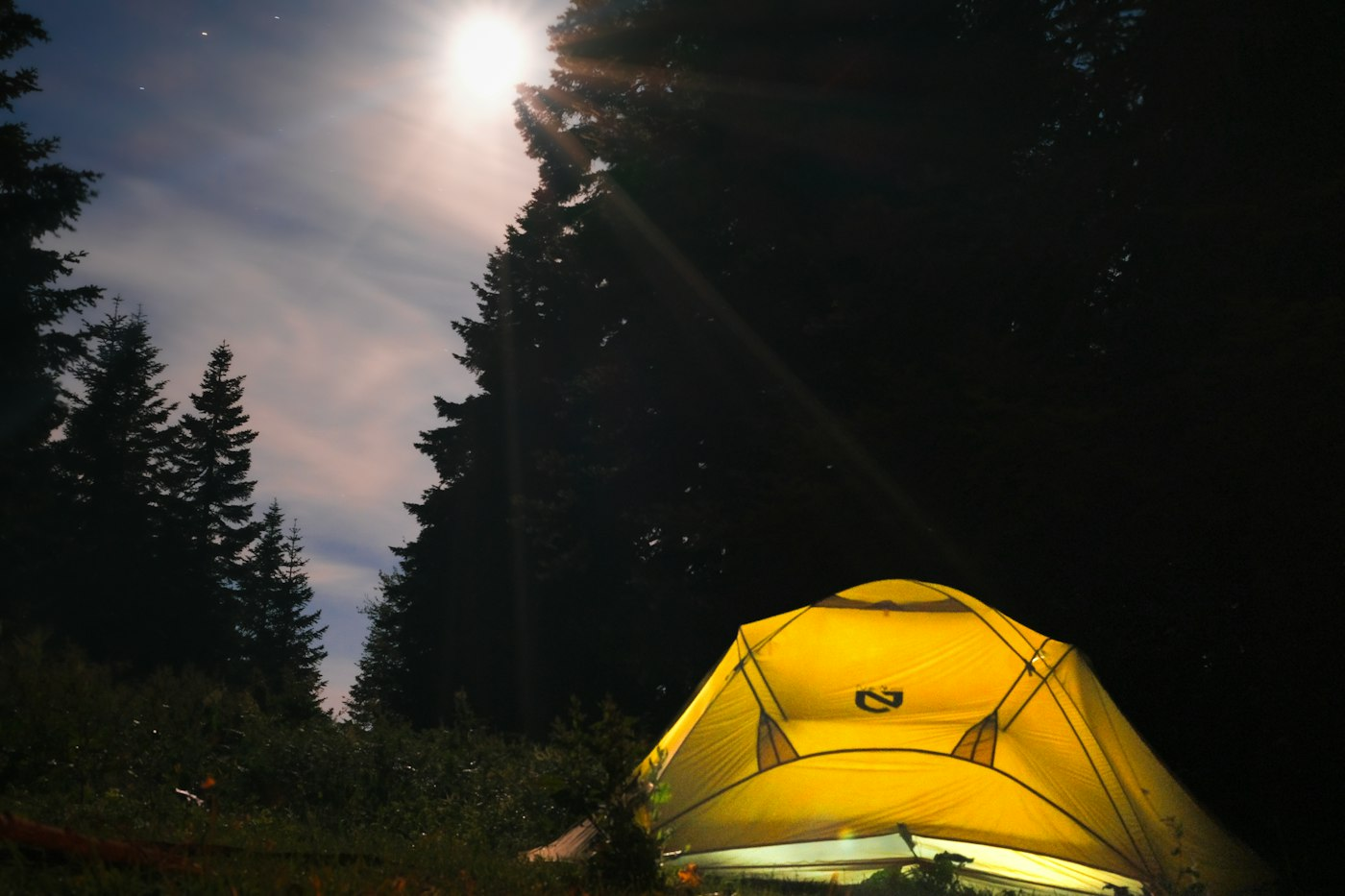
- Evening: A family dinner, a campfire-style story time with flashlights and an early bedtime for the youngest
Mixed-age activities help cousins bond. Older kids can read to younger ones, lead a scavenger hunt or partner up for a craft.
Camp Traditions
A few signature touches make cousin camp feel like its own event. Matching T-shirts printed with “Cousin Camp” and the year are a favorite for group photos. A camp flag or banner that comes out each summer builds a sense of tradition. Some families make a simple camp journal or photo book, and others mark each cousin’s height on a doorframe or poster every year, which becomes a treasured record over time.
End camp with a small celebration, such as a talent show, a parade of crafts or an awards ceremony where every cousin earns a certificate for something, from best builder to kindest helper.
Keeping Everyone Safe and Happy
With children of different ages, supervision needs a plan. Assign adults to specific age groups during busy times, and never leave toddlers in the care of older cousins without a grown-up close by. Keep water areas off-limits unless an adult is actively watching. Plan for the heat with shade, water breaks and indoor time. And remember that mixed-age groups can get loud and tired, so build in downtime before anyone melts down.
The magic of cousin camp is not in perfect activities. It is in the relationships cousins build when they spend real time together, and those can last a lifetime.
Planning Cousin Camp, Step by Step
Cousin camp can be as simple or as ambitious as your family likes. Here is an approach that keeps it manageable for the hosting household.
- Pick dates early. Summer calendars fill quickly. Reach out to every family in the spring to find a date that works for most.
- Choose the host home. Consider space, shade, a safe yard and how easily little ones can nap.
- Decide on a theme. A loose theme, like “under the sea,” “explorers” or “garden camp,” helps tie activities together.
- Gather the family information. Collect allergies, medications, routines and emergency contacts in one shared document.
- Divide the work. Ask each family to contribute something, whether it is a meal, supplies, a craft or an afternoon of supervision.
- Prepare the space. Childproof the home for the youngest guests, secure pools and other water areas, and set up a quiet room for naps.
- Plan the finale. Decide on the closing celebration and any certificates or keepsakes ahead of time.
Activity Ideas That Work Across Ages
- Nature scavenger hunt: Older cousins read the list while younger ones spot leaves, rocks and flowers.
- Cousin mural: A long roll of paper on the patio where everyone adds a drawing.
- Backyard olympics: Silly races, beanbag tosses and a crawl relay, with modifications for each age.
- Kitchen helpers: Making a simple no-bake snack together, with older cousins helping younger ones.
- Soft play time: An indoor or shaded play area gives toddlers a safe space while bigger cousins help supervise alongside adults.
- Family stories: Grandparents share stories about the cousins’ parents when they were children, often the funniest moment of camp.
Common Mistakes With Cousin Camp
- Overscheduling. Children need free time to play and bond on their own terms.
- Putting older cousins in charge. Big kids can help, but adults stay responsible for supervision, especially around toddlers and water.
- Ignoring routines. Little ones without naps get cranky fast. Protect quiet time.
- One adult doing everything. Hosting many children is tiring. Share the load among families.
- Skipping the heat plan. Summer days can be hot. Plan for shade, water and indoor activities during the hottest hours.
Questions Families Ask
What age is too young for cousin camp?
Babies and toddlers can join with a parent nearby. They will enjoy the attention and the play, even if they will not remember the details.
Should every cousin get a souvenir?
A matching shirt, a certificate or a photo is a lovely, fair keepsake. It helps every cousin feel equally included.
What if cousins do not get along?
Mixed-age activities, team challenges and plenty of space to spread out usually help. A calm adult nearby can step in early when tempers rise.
How do we handle different house rules between families?
Agree on a short list of camp rules before anyone arrives, covering screens, snacks, bedtime and off-limits areas. When the rules are the same for every cousin, there are fewer arguments and fewer “but my mom lets me” moments.
What should each family pack?
Clothes for every day plus a spare set, sun hats, swimsuits if any supervised water play is planned, comfort items for bedtime, medications with written instructions and a labeled water bottle for each child.
How do we keep the tradition going?
Keep the same banner, take the same group photo each year and let older cousins help plan as they grow. Over time, they become the next generation of camp leaders.


