
Invite a toddler and you also invite a six-year-old. Older siblings come to little kids’ parties by default, and they arrive with more energy, more speed and more opinions than the guests the party was designed for. Left to their own devices, they will either take over the play area or announce that they are bored. A little planning gives them a good afternoon and keeps the toddlers safe.
Know Who Is Coming
Ask on the invitation whether siblings will attend and how old they are. This is not about excluding anyone. It is about knowing whether to plan for two older children or ten. A note that siblings are welcome and that you would love a headcount reads as warm and gets you the information you need.
Set Clear Rules for the Play Area
Soft play equipment is built for small bodies. A big kid jumping in among toddlers is a collision waiting to happen, and most equipment comes with age or weight guidance from the provider. Decide ahead of time whether older children may use the play area at all, and if so, under what rules. Common approaches include:
- Toddlers only in the play area, with a separate big-kid zone nearby
- A scheduled big-kid turn, such as ten minutes while toddlers eat
- Older children allowed in as gentle helpers, walking rather than running, one at a time
Whatever you choose, say it out loud when families arrive and ask parents to help enforce it. Older children respond well to being told the reason: the little ones are small, and you are counting on the big kids to look out for them.
Give Them Their Own Station
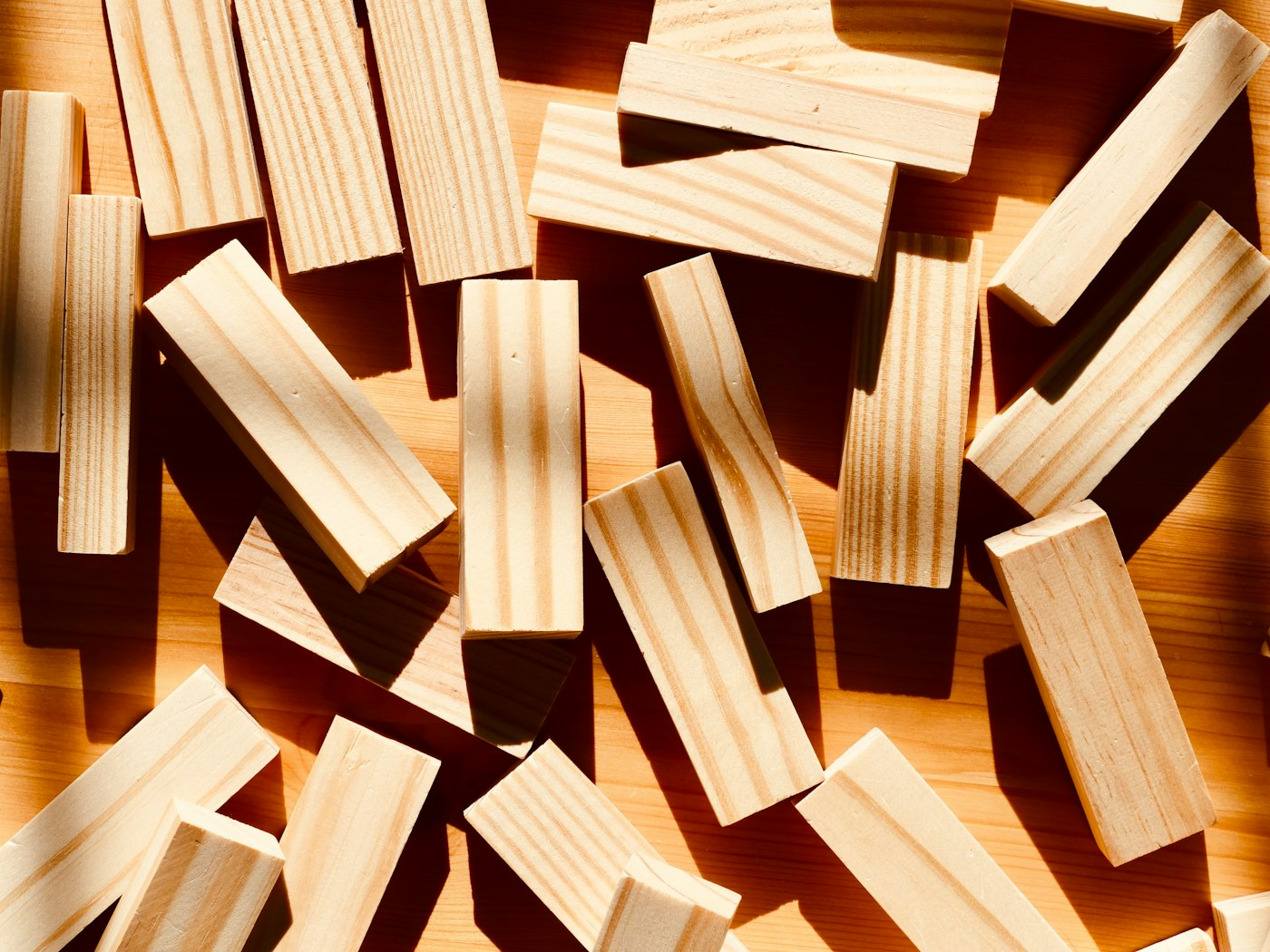
Older siblings need something that is theirs. A table with a more involved craft, a stack of books suited to their age, a simple board game or a basket of building blocks placed away from the toddler zone gives them a home base. Outdoors, a bucket of sidewalk chalk, a jump rope or a simple ball game does the job.
Keep the station in sight of the main party so these children still feel included. Nobody wants to be sent to another room.
Recruit Them as Helpers
Many children between five and ten love responsibility. Give them real jobs: handing out name tags, passing napkins, helping a toddler down the slide with an adult nearby, leading the clean-up song or collecting scarves after a movement game. A helper badge or a special title costs nothing and transforms a bored sibling into a proud assistant.
Supervise the helping. An eager eight-year-old lifting a one-year-old is not what you want. Jobs should involve objects, not carrying children.
Feed them properly too. Toddler party food is small and mild, and older children arrive hungry and want more. Add a few bigger items to the table: full sandwiches, a bowl of popcorn for children past the choking-hazard age, fruit kebabs, something with a little crunch. Make sure cake portions suit a six-year-old as well as a two-year-old.
Watch the Energy Curve
Older children peak early and then look for trouble. Plan their most engaging activity for the middle of the party, when toddlers are settled and parents are relaxed. Toward the end, as toddlers tire, older siblings often become the ones racing around. A final calm activity for everyone, such as a story or bubbles in the yard, brings the energy down together. When older siblings leave saying they had fun, the toddler party worked for everyone.
A Big-Kid Plan for the Afternoon
Older siblings do best when the party has something for them at every stage. Here is a simple way to map their afternoon alongside the toddler schedule:
- Arrival: Give older children a job right away, such as handing out name tags or showing families where shoes go. A role on arrival sets the tone for the rest of the party.
- Toddler free play: Big kids head to their own station with a craft, a building set or outdoor games.
- Toddler snack time: This is a good moment for the big-kid turn in the play area, if you have chosen to offer one.
- Group activity: Older children can lead or help, such as holding one edge of a parachute or passing out scarves.
- Cake: Big kids sit at the table with everyone else, with portions sized for them.
- Wind-down: A calm, shared activity like bubbles or a story brings everyone together at the end.
Activity Ideas for Older Siblings
Indoors
- A building challenge with blocks or interlocking bricks, such as “build the tallest tower” or “build a house for the birthday child’s stuffed animal”
- A coloring station with more detailed sheets than the toddler version
- A simple card game or board game for two to four players
- A “decorate a cupcake” station with an adult nearby
Outdoors
- Sidewalk chalk murals or a hopscotch course
- A gentle ball game, such as kicking into a goal, kept well away from toddlers
- A nature scavenger hunt with a picture list of things to find
- Bubble wands that make big bubbles for toddlers to chase
Common Mistakes With Older Siblings
- Not mentioning them on the invitation. If you do not ask, you will not know how many to plan for.
- Making the play area rule unclear. If big kids are not sure whether they may climb in, they will test it. Say the rule once, clearly, at the start.
- Giving them nothing to do. Boredom leads big kids to invent their own fun, which often involves running through the toddler zone.
- Asking them to babysit. Helping is great. Being responsible for a toddler is not their job.
- Forgetting the end of the party. When toddlers tire, older children often get a second wind. A final calm activity keeps everyone together.
Talking to Parents About the Plan
Parents of older siblings will appreciate knowing what to expect. A quick word at the door, such as “The play area is for the little ones, but we have a building table and chalk outside for the big kids,” helps parents back up your rules and keeps everyone on the same page.
When you book a soft play setup with us, ask about the recommended ages for the pieces you have chosen. Knowing that guidance in advance makes it easier to plan a big-kid zone and to explain your play area rule kindly to families.
Questions Hosts Ask
What if an older sibling is upset about not using the play area?
Acknowledge the feeling, explain the reason and offer the big-kid turn or a special job instead. Most children accept a rule when they understand it is about keeping little ones safe.
Should older siblings get favors?
It is a kind touch. A slightly different favor, such as a small notebook and pencil, makes them feel included without extra fuss.
What if only one or two older children come?
A small basket of activities is plenty. Even one big kid with a job and a building set will usually have a happy afternoon.


