

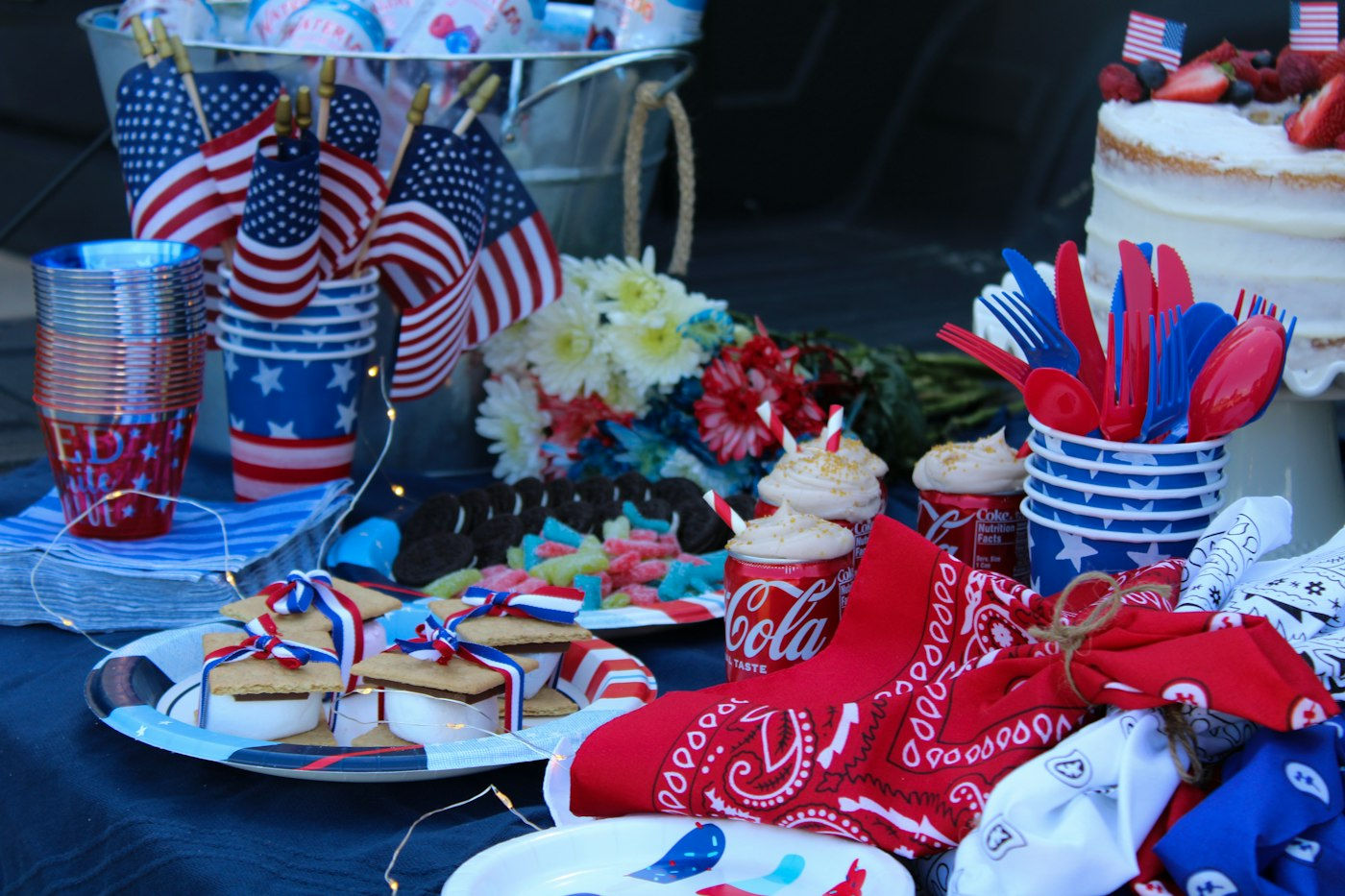
Long before backyard cookouts and flag-print paper plates, the Fourth of July was a civic occasion marked with ringing bells, public readings and formal toasts. Over two centuries it grew into one of the most family-centered days on the American calendar. Knowing a little of that story makes the holiday richer for grown-ups, and it gives you simple ways to explain to little ones why everyone is celebrating.
Why July 4, 1776
In the summer of 1776, the Second Continental Congress was meeting in Philadelphia. On July 2, its delegates voted to declare independence from Great Britain. Two days later, on July 4, they adopted the Declaration of Independence, the document explaining their reasons to the world. Printed copies went out quickly, and within days the Declaration was being read aloud to crowds in Philadelphia and beyond.
John Adams, one of the delegates, wrote to his wife Abigail that the anniversary should be remembered by future generations as a great festival. He pictured a day of parades and games, with bells, bonfires and lights. He expected that day to be July 2, the date of the vote. The date printed on the Declaration won out, but his picture of a joyful public celebration turned out to be remarkably accurate.
Early Celebrations
Philadelphia marked the first anniversary in 1777 with ringing bells, cannon salutes, music and fireworks. In the years that followed, towns across the young country held public readings of the Declaration, speeches, militia parades and community dinners. These early celebrations were loud and public, centered on the town square more than the home.
The date took on extra meaning in 1826. On the fiftieth anniversary of the Declaration, both John Adams and Thomas Jefferson died on July 4, within hours of each other. Americans at the time saw it as a remarkable coincidence, and it remains one of the most repeated facts about the holiday.
From Town Square to Backyard
Through the 1800s, the Fourth gradually became a day for picnics, outings and family gatherings alongside the public speeches. Congress made it a federal holiday in 1870, and as more working families had the day off, it became a natural time for relatives to get together. Over the twentieth century, the backyard cookout, the hometown parade and the evening fireworks show settled in as the familiar shape of the day.
Today the holiday blends both traditions. Many towns still hold parades, concerts and readings, while families fill parks and yards with food and games. The original Declaration is on display at the National Archives in Washington, D.C., and the National Archives website has more on its history.
Sharing the Story With Little Ones
Toddlers and preschoolers do not need dates or names to join in. A few simple ideas go a long way:
- Call it the country’s birthday. Young children understand birthdays, and the idea of a whole country having one delights them.
- Talk about the colors. Red, white and blue are easy to spot on flags, decorations and clothing, which turns the day into a gentle color hunt.
- Point out that people everywhere are celebrating together, the way family and friends gather for a birthday.
- Borrow a picture book about the holiday from your library and read it together the week before.
Older siblings may be ready for the bigger story: a group of people wrote down why they wanted to govern themselves, signed their names and shared it with everyone. That is a big idea, and the Fourth is a fine day to start talking about it, somewhere between the picnic and the cake.
A Few More Pieces of the Story
The history of the Fourth has a few details that surprise grown-ups and make good table conversation during the picnic.
The Signing Took Time
Many people picture every delegate signing the Declaration on July 4. In fact, the formal handwritten copy was signed by most delegates on August 2, 1776, and a few added their names later. July 4 is the date the text was adopted, and it is the date printed at the top of the document, which is why it became the day Americans remember.
Words That Lasted
The Declaration’s best-known lines say that “all men are created equal” and that people have rights to “Life, Liberty and the pursuit of Happiness.” Over the generations, Americans have returned to those words again and again, arguing about what they mean and working to extend them to more people. That ongoing conversation is part of the holiday too.
Bringing the History Into Your Celebration
You do not need a formal program to give the day a little meaning. A few small traditions fit easily between the food and the fireworks.
- A short reading. Have an older child or a grandparent read the opening lines of the Declaration aloud before the meal. It takes less than a minute and echoes those first public readings in 1776.
- A bell moment. Hand toddlers small bells or let them bang pots gently for a few seconds of “ringing in” the holiday, the way towns once rang church bells.
- A birthday song. Since young children think of the Fourth as the country’s birthday, a round of “Happy Birthday, America” before dessert is an easy hit.
- A family parade. Wagons, scooters and strollers decorated with streamers make a backyard or driveway parade, no crowds required.
- A “what I love” circle. Ask each person to name one thing they love about their town or their family. Even two-year-olds have answers.
Keeping the Celebration Comfortable for Little Ones
The modern Fourth can be loud and late, which is a lot for toddlers. Plan the day so it works for them:
- Hold the main gathering in the morning or early afternoon, with shade and plenty of water.
- Have a quiet room or a calm corner available for naps and breaks.
- For fireworks, consider watching from a distance, using ear protection made for children or simply skipping the late show for the youngest guests. A sparkler-free, bubble-filled evening is just as festive for a two-year-old.
- Leave consumer fireworks to adults, follow your local rules, and keep children well back from anything being lit.
Questions Children Ask on the Fourth
“How old is America?”
Count it out together from 1776. The number is so big it often delights preschoolers, especially next to their own age.
“Why are there fireworks?”
Because the people who started the country wanted the day to be celebrated with lights and noise, like a giant birthday party.
“Who wrote the Declaration?”
Thomas Jefferson wrote the first draft, and others in Congress helped revise it before it was adopted.


