

On a hot afternoon, few activities hold toddlers and preschoolers as completely as a block of ice with treasures frozen inside. Children dribble, pour and rub until the ice gives up its toys, learning about melting and patience along the way. It is cool to the touch, inexpensive and easy to set up, and it works as a station at almost any summer party.
Making the Ice Blocks
Start a day or two ahead. Fill containers such as loaf pans, plastic food storage boxes or a large bowl with water, add toys and freeze. For better results, freeze in layers: a little water and a few toys, freeze, then another layer. That keeps everything from floating to the top.
Choose toys large enough that they are not a choking hazard for the youngest guests. Plastic animals, chunky blocks, toy cars and big plastic letters all work well. For a themed party, freeze sea creatures for an ocean party, dinosaurs for a dig party or plastic flowers for a garden party. A few drops of food coloring tints the ice beautifully, but it can stain hands and clothes, so use it sparingly.
Tools for Little Rescuers
Children need gentle tools for freeing the treasures:
- Squeeze bottles and small cups of lukewarm water
- Spoons, scoops and small plastic shovels
- Paintbrushes for dabbing on water
- Plastic droppers or turkey basters for older preschoolers
Some activity guides suggest sprinkling salt to speed up melting. With toddlers who might eat it or rub it into their eyes, it is best to skip the salt and rely on warm water and patience.
Setting Up the Station
Place the ice in large shallow trays or plastic tubs to catch the meltwater, and set the station on grass or a patio in the shade, well away from the soft play area. Even a shady corner gets plenty wet as the ice melts. A towel beside each tray and a bucket for collecting rescued toys keeps things organized.
An adult should stay at the station the entire time. Meltwater collects quickly in a tub, and young children can get into trouble in a small amount of water. Empty the trays as soon as the activity ends.
Keeping It Comfortable
Ice play is refreshing, but small hands get very cold after a while. Encourage breaks, offer a warm-water pouring activity alongside and keep towels handy. Little ones may also want to taste the ice, so freeze clean drinking water and wash the toys before they go in. Chips of ice that break off are best kept out of toddlers’ mouths.
Turning It Into a Story
Children love a reason for what they are doing. Tell them the dinosaurs are stuck in an ice age, the sea creatures need rescuing or a winter wizard has frozen the fairy treasure. A simple story turns a melting block into an adventure, and the rescued toys make easy take-home favors. On a really hot day, the station may become the most crowded spot in the yard, so make an extra block or two and keep them in a cooler until the first batch melts.
A Step-by-Step Ice Block Plan
A few days of light preparation produce ice blocks that hold up through a party and release their treasures at a satisfying pace.
- Three days before: choose your containers and toys. Wash all toys in warm soapy water and rinse well.
- Two days before: pour the first thin layer of water into each container, add a few toys and freeze.
- The next morning: add a second layer of water and more toys. Repeat as needed until the container is nearly full.
- The night before: make sure every block is frozen solid. Thicker blocks may need longer than you expect.
- Party morning: leave the blocks in the freezer until just before the station opens. Run warm water over the outside of each container to release the block.
- At the station: place one block per tray, and keep backups in a cooler with ice packs.
Variations That Keep It Fresh
- Ice paint. Freeze washable paint or water tinted with a little coloring in an ice cube tray with craft sticks. Children paint on thick paper as the cubes melt.
- Ice towers. Freeze water in several sizes of containers and let children stack the blocks. They slide, they melt and they make a wonderful mess.
- Ice boats. Freeze water in shallow trays with a small paper sail stuck in. Float them in a water table, with an adult watching closely.
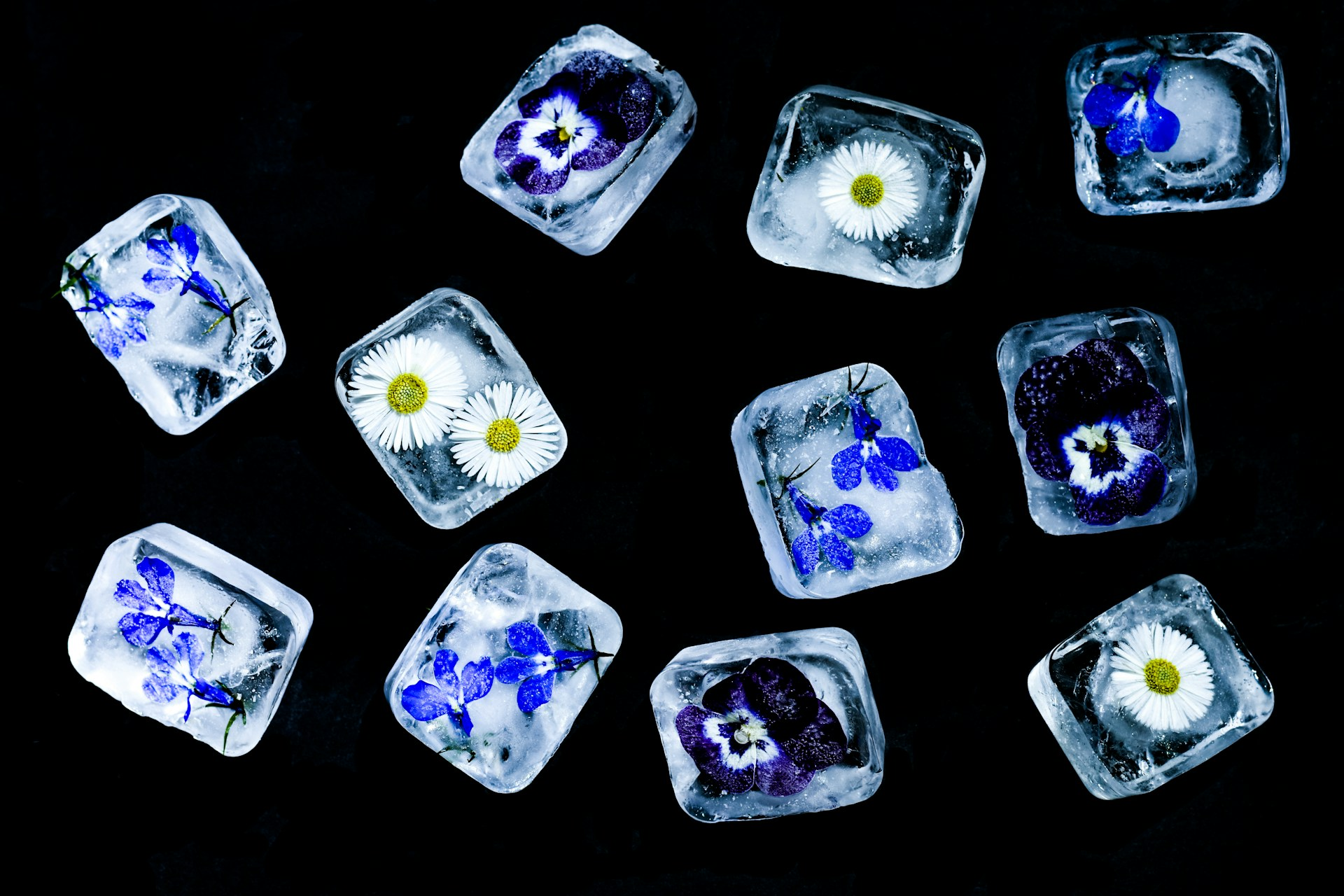
- Nature ice. Freeze leaves and flower petals into thin discs. Hang them from a tree with a loop of string frozen in, and watch them drip and sparkle in the sun.
- Color mixing. Give children cups of red, yellow and blue water to pour over a white ice block. Colors blend as they run down.
Common Mistakes to Avoid
- Blocks too big. A block that takes an hour to melt frustrates little hands. Loaf pans and small storage boxes melt at a more satisfying pace than buckets.
- Toys too small. Tiny figures are tempting but risky. Anything that fits through a toilet paper tube is too small for toddlers.
- Station in the sun. A block in full sun melts fast, and children get hot standing over it. Shade keeps both the ice and the rescuers comfortable.
- Placing ice play near the soft play area. Meltwater travels across a patio quickly. Keep the station well away from dry play surfaces.
- Hot water. Warm water speeds melting, but it should be comfortable to the touch. Test it on your wrist first.
Questions Parents Ask
What age is ice play best for?
Children from about eighteen months through five years love it. Toddlers enjoy touching and pouring; preschoolers enjoy the challenge of freeing specific toys.
Can we do ice play indoors?
Yes, in a bathtub or on a large towel over a waterproof floor, with constant supervision. Outdoors is easier for cleanup.
How long does the activity last?
Often longer than you expect. Many children stay at an ice station for twenty minutes or more, especially with a good story attached.
What do we do with the rescued toys?
Rinse them, dry them on a towel in the sun and send a few home with each child in a small bag. They make an easy, themed favor that children are proud of, since they rescued it themselves.


