
Gifts are a traditional part of birthday parties, but many families today are rethinking them. Some parents worry about clutter, others want to teach generosity and some simply want to make attending easier for guests. Whatever your preference, clear and gracious communication helps everyone feel comfortable.
Traditional Gifts
There is nothing wrong with traditional gifts. Many children love opening presents, and many guests enjoy choosing something special. If you welcome gifts, you do not need to say anything on the invitation. Some hosts include a gentle note about interests, such as “Ava loves books and anything with animals,” to help guests choose.
Avoid gift registries or specific requests for children’s parties unless a guest asks. Most etiquette guidance considers them a bit formal for this kind of event.
No-Gift Parties
Some families prefer to skip gifts entirely. If you choose this, say it clearly and warmly on the invitation:
- “Your presence is the only present we need.”
- “Please, no gifts. We are just happy to celebrate together.”
Some guests may still bring something, especially grandparents or close friends. Accept graciously and open it privately later so other guests do not feel uncomfortable.
Book Swaps
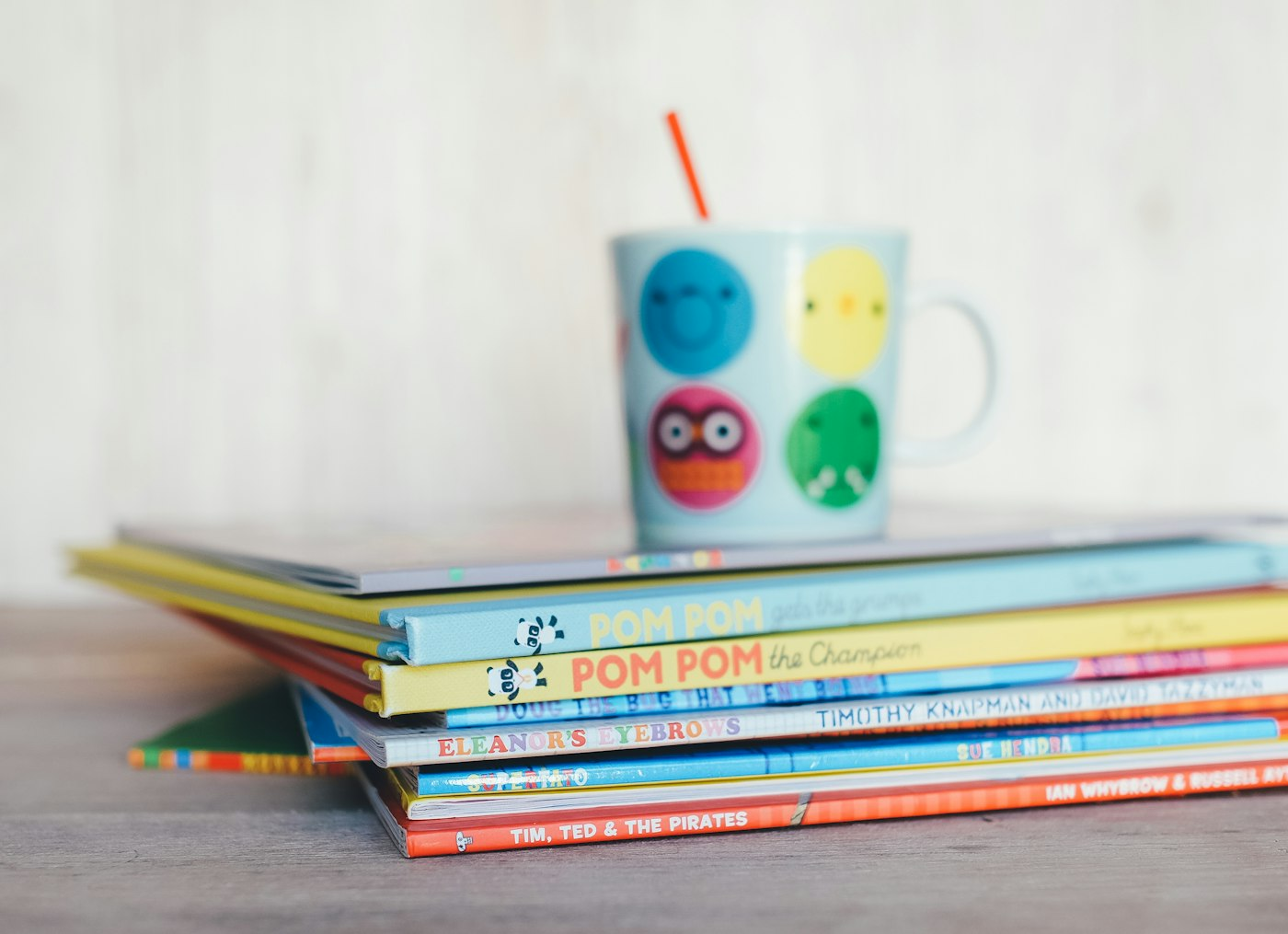
A book swap is a popular alternative. Each guest brings one wrapped book, and each child goes home with a different book. Children still enjoy the excitement of unwrapping something, and families avoid excess toys. To set it up:
- Explain the swap on the invitation, with a suggested age range for books
- Collect wrapped books at the welcome table
- Let children choose a book as they leave, or hand them out as favors
- Have a few extra wrapped books in case someone forgets
A book swap also replaces traditional favors, which simplifies planning.
Donation Drives
Some families ask guests to bring items for a local organization, such as a children’s charity, a library or an animal shelter. This can be a meaningful way to teach young children about giving. Contact the organization ahead of time to confirm what they accept and how they prefer to receive donations. Share the details clearly on the invitation.
Opening Gifts at the Party or Later
Opening gifts during a toddler party can be chaotic. Young children struggle to wait, guests crowd around and some kids feel upset that the gifts are not for them. Many families now open gifts after the party, which also makes it easier to track gifts for thank-you notes. If your child is old enough and you prefer to open them at the party, keep it brief and make it a calm, seated moment.
However you handle gifts, the goal is the same: making guests feel welcome and keeping the focus on celebrating together. A gracious approach, shared clearly ahead of time, takes the guesswork out of it for everyone.
Wording Your Gift Preferences on the Invitation
The hardest part of any gift approach is putting it into words without sounding demanding or awkward. A few principles help:
- Keep it to one or two lines. The invitation is about the party, not the gifts.
- Be specific. “No gifts, please” is clearer than “Gifts are optional,” which leaves guests guessing.
- Explain briefly if you want to. A short reason, such as “We are trying to keep things simple this year,” can make a request feel warmer.
- Place it near the bottom. Guests will find it, and it will not overshadow the date, time and place.
Here are a few sample lines you can adapt:
- For a book swap: “Instead of gifts, please bring a wrapped picture book for ages two to five. Every child will take one home.”
- For a donation drive: “In place of gifts, we are collecting new board books for our local library. A donation box will be at the door.”
- For a shared gift: “If you would like to give a gift, we are collecting toward one larger present. Please ask us for details.”
- For an experience gift: “Instead of toys, Max is saving for a trip to the aquarium. Any contribution is welcome but never expected.”
Teaching Young Children About Gifts
A birthday is one of the first places children learn about giving and receiving. Even toddlers can begin to understand a few simple ideas, and preschoolers can practice them with support.
Before the Party
Talk with your child about what will happen. Explain whether friends will bring gifts, whether gifts will be opened at the party or later, and that saying thank you is part of the day. If you are doing a book swap or a donation drive, involve your child in choosing a book or an item to give, so they feel part of the generosity rather than left out of it.
During the Party
If gifts are opened in front of guests, sit with your child and help them say thank you to each giver. Gently redirect a comment like “I already have this” to “Thank you for thinking of me.” Children learn far more from a parent modeling grace than from a lecture afterward.
After the Party
Thank-you notes do not have to be elaborate. A toddler can scribble on a card or add a sticker. A four-year-old can draw a picture of the gift. Include a photo of your child at the party if you like. The point is helping your child connect a gift with the person who gave it.
Common Gift Mistakes to Avoid
- Changing the gift plan after invitations go out. Guests who already bought something will feel caught out. Decide first, then send invitations.
- Making the gift table a focal point. A huge pile of presents by the door can make children antsy and families who brought a smaller gift uncomfortable. A tucked-away basket works better.
- Forgetting to track who gave what. Ask a helper to jot down names and gifts as they arrive.
- Letting gifts near the play area. Wrapped boxes and loose ribbon become tripping hazards and distractions. Keep them in another room.
Questions Parents Ask About Gifts
Is it rude to ask for cash or gift cards?
Many people find direct requests for money uncomfortable at a young child’s party. If you prefer contributions toward something specific, explain what it is and keep it optional.
What if siblings come too?
Guests generally do not need to bring separate gifts for each sibling. One gift per family is common and perfectly polite.
Should party favors match the gift approach?
It helps. A no-gift party pairs nicely with simple favors, and a book swap can replace favors entirely.


