

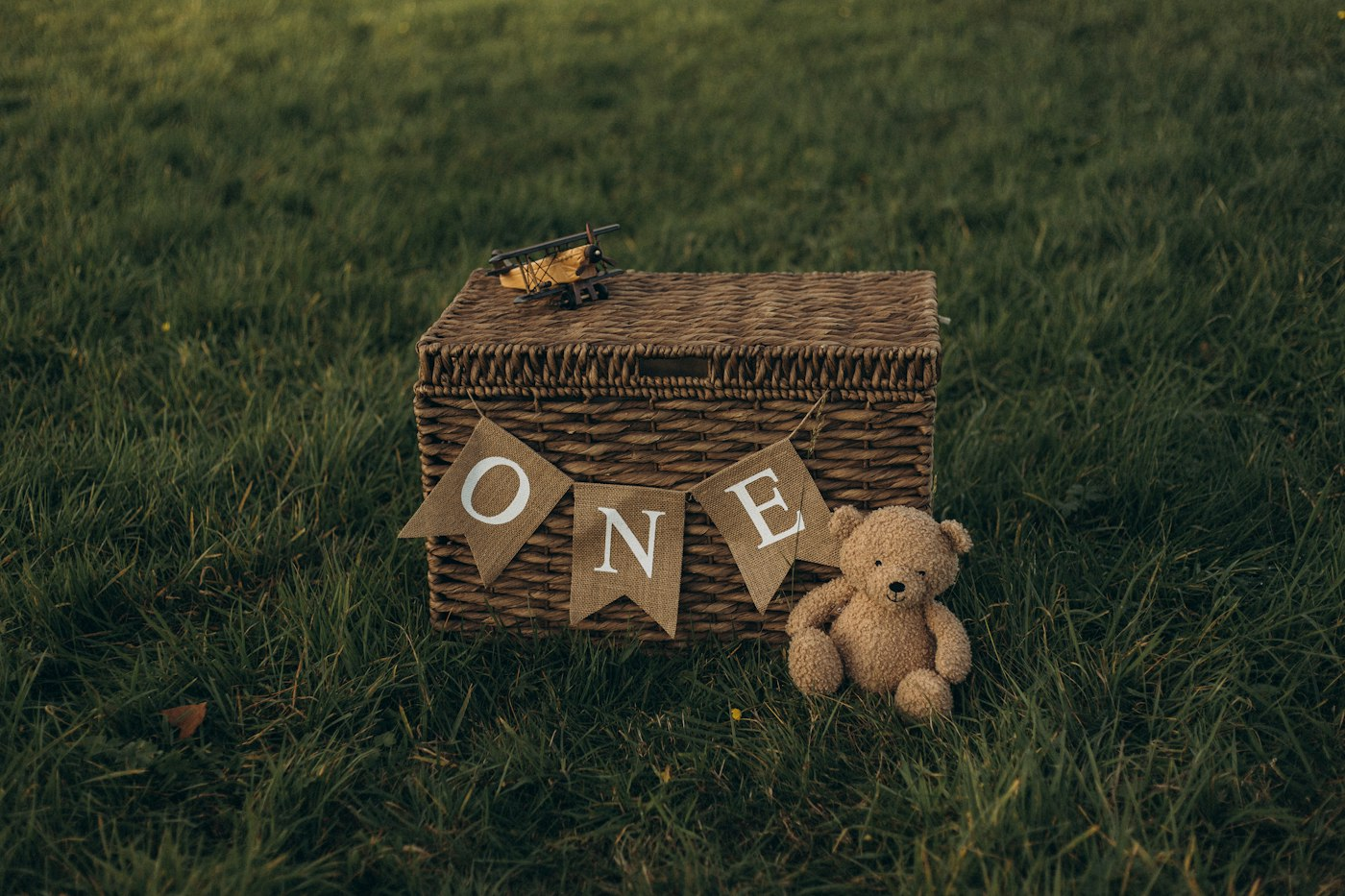
The teddy bear picnic is a classic childhood idea, inspired in part by a well-known song from the early twentieth century. Children bring their favorite stuffed animals for a day of play and treats. In winter, it moves indoors beautifully, offering a sunny, cozy theme that brightens a gray February day.
Invite the Bears
The heart of this theme is that every child brings a teddy bear or favorite stuffed animal. Mention it clearly on the invitation: “Bring your favorite teddy bear to the picnic.” Suggest labeling the plush friends with a name tag so they all make it home with the right child. Have a few spare bears on hand for children who forget theirs.
Setting Up an Indoor Picnic
Create the feeling of a picnic without the outdoors:
- Spread picnic blankets on the floor in a cleared area away from active play
- Use a palette of warm neutrals, soft gingham or honey and cream tones
- Add woven baskets, wooden serving boards and faux greenery
- Hang paper suns and clouds high on walls or windows
- Arrange a soft play area nearby as “the woods” for bears and children to explore
Pastel or neutral soft play pieces fit naturally with this theme, creating a gentle, storybook atmosphere.
Activities for Little Bears
- Bear introductions: Each child introduces their teddy and shares its name.
- Bear parade: Children march around the room with their bears to music.
- Teddy check-up: A pretend vet or doctor station with a toy stethoscope and bandages.
- Bear hunt: Hide a few small bears around the room for children to find.
- Story time: Read a picture book about bears or picnics.
- Bear adventures: Children take their bears through soft play tunnels and over ramps.
The teddy check-up station is often a favorite. It encourages caring, pretend play and gives shy children a gentle way to participate.
Picnic Snacks
Picnic food is naturally kid-friendly. Pack individual baskets or boxes for each child:
- Mini sandwiches cut into bear or heart shapes
- Soft fruit pieces
- Cheese and crackers
- Bear-shaped crackers or cookies
- Honey-themed treats for older children only, since honey is not recommended for babies under one year
Serve snacks on the picnic blankets with a washable mat underneath, or at a low table nearby. Keep food away from the soft play area and check guests’ allergies.
Favors to Send Home
A small plush bear, a bear-themed board book or a “teddy adoption certificate” make sweet favors. Pack them in a small basket or paper bag tied with gingham ribbon.
A teddy bear picnic is a reminder of simple pleasures: a favorite friend, a cozy blanket and a day of play. It brings a little summer sunshine indoors, just when families need it most.
A Sample Teddy Bear Picnic Schedule
A gentle schedule gives a toddler party just enough structure. Here is one that suits a ninety-minute party for children ages two to five:
- Arrival (15 minutes): Children check in their bears at a “bear welcome desk,” where a helper writes each bear’s name on a tag.
- Free play (25 minutes): Children explore the soft play “woods” with their bears and visit the teddy check-up station.
- Bear introductions and parade (10 minutes): Everyone gathers in a circle, shares bear names, then marches around the room.
- Picnic (20 minutes): Children sit on the blankets with their snack baskets, each bear beside its owner.
- Cake and song (10 minutes): The birthday child’s bear gets a seat of honor next to the cake.
- Story and goodbye (10 minutes): A short bear story, then favors and a final hug for the bears before going home.
Running the Teddy Check-Up Station
This station tends to be the center of the party, so it is worth setting up thoughtfully. Use a small table or a low bench as the “exam table.” Stock it with:
- A toy stethoscope and toy thermometer
- Strips of soft fabric or wide ribbon for bandages
- A few large adhesive bandages children can stick on the bears, not on each other
- A clipboard with simple “check-up” cards for older preschoolers to color
- A stack of tiny paper “all better” certificates
An adult or an older sibling can act as the doctor’s helper, asking each child questions like “What seems to be the trouble today?” and “Does your bear need a bandage?” Shy children who will not join a group game will often happily bring their bear for a check-up.
Keeping It Safe
Skip anything with small parts, such as toy pill bottles with tiny lids. Keep scissors and real medical supplies out of the room. Bandages should be large and easy to handle so they do not become a choking risk.
Common Mistakes and How to Avoid Them
- Bears going home with the wrong child. Name tags help, but a quick photo of each child with their bear at arrival is the best backup for sorting out mix-ups.
- Picnic blankets near the play area. Food and crumbs end up on the equipment. Keep a clear gap and a wipe-down stop between the two.
- A child without a bear. Have a few spare plush animals ready, and offer them before the child notices they are missing one.
- Too many activities. Two or three bear-themed moments are plenty. Children at this age are happy to simply play with their bears.
Making It Your Own
The teddy bear picnic adapts easily to different ages and interests. For a first birthday, keep it very simple: blankets, a few plush bears for photos and soft play. For three- and four-year-olds, add the parade and the check-up station. For a child who loves another animal, the same idea becomes a bunny picnic, a puppy picnic or a stuffed-animal tea party.
A soft play area in creamy neutrals, sage or blush works particularly well with this theme, since it looks like a storybook meadow rather than a gym. When you plan with us, mention your theme and colors, and we can help you choose a setup that feels like part of the picnic.
Questions Parents Ask
What if a child does not want to share their bear?
They should not have to. Make it clear that bears belong to their owners and that children can look at, but not hold, other bears without permission.
What age is right for this theme?
It works well from about eighteen months to five years, with the activities growing more involved as children get older.
Can we do it outdoors later in the year?
Absolutely. Once the weather warms, the same plan moves to a shaded patch of lawn, with the play area on level ground nearby.


