

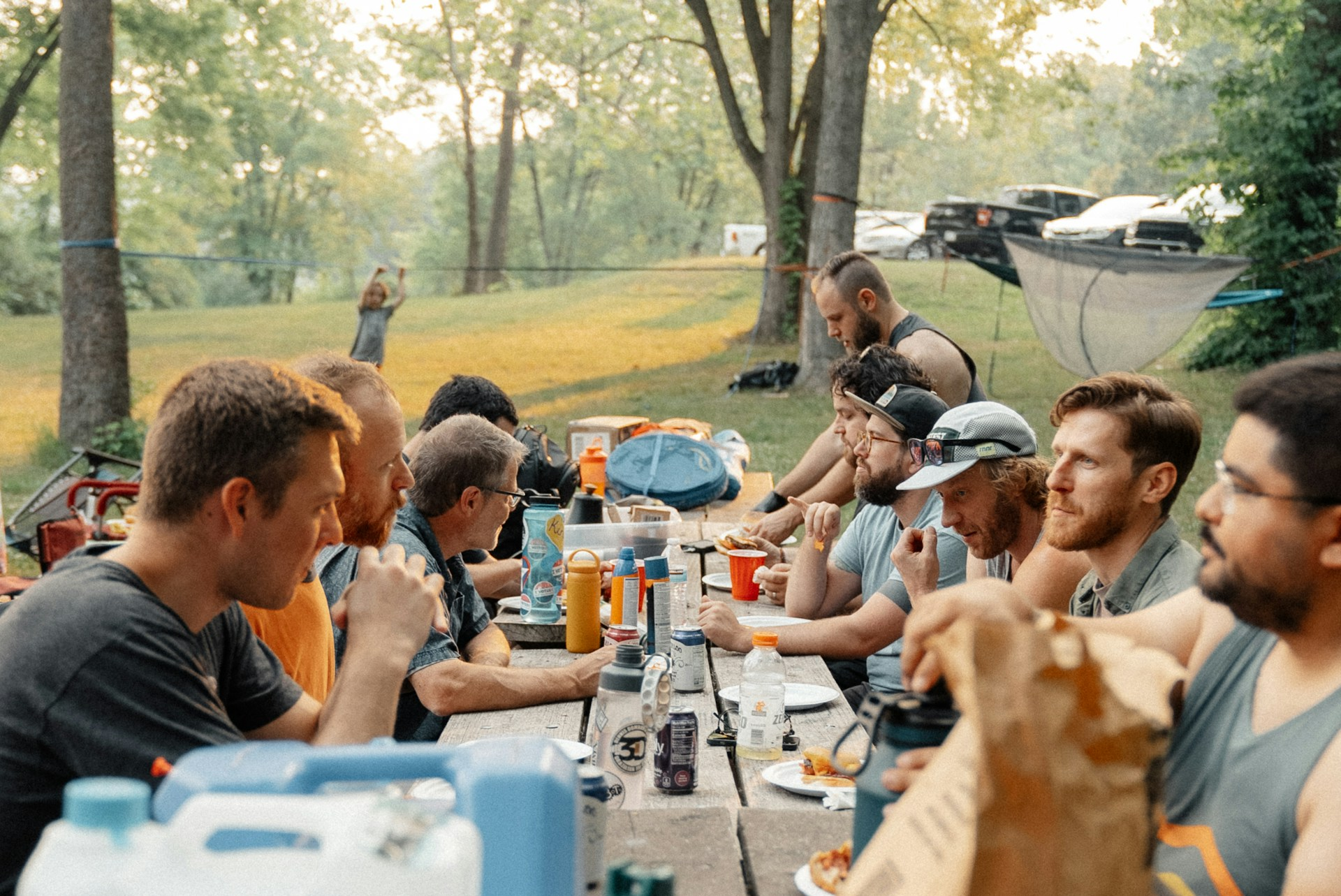
Juneteenth, celebrated on June 19, is one of the oldest commemorations of the end of slavery in the United States. For many Black American families, it has been a cherished day of gathering for generations, with cookouts, family reunions, music, parades and reflection. Since 2021, it has also been a federal holiday. For families with young children, Juneteenth offers a meaningful opportunity to share history, celebrate freedom and spend time together.
The History of Juneteenth
President Abraham Lincoln’s Emancipation Proclamation took effect on January 1, 1863, declaring enslaved people in the Confederate states free. In practice, freedom depended on the arrival of Union forces, and in Texas, enslaved people remained in bondage long afterward. On June 19, 1865, Union troops arrived in Galveston, Texas, and General Gordon Granger issued an order announcing that all enslaved people in Texas were free. That news came about two and a half years after the Emancipation Proclamation.
The following year, freed people in Texas held celebrations on the anniversary, and the tradition grew and spread as families moved to other parts of the country. Slavery was formally abolished nationwide with the ratification of the Thirteenth Amendment in December 1865. In 2021, Juneteenth National Independence Day became a federal holiday.
Traditions of the Day
Juneteenth traditions vary by family and region, but many share common threads:
- Cookouts and family reunions, often outdoors in the summer sun
- Readings of the Emancipation Proclamation or of General Granger’s order
- Red foods and drinks, such as red soda, watermelon and red velvet cake, which many families describe as symbols of resilience and sacrifice
- Parades, music, dancing and community festivals
- Time spent honoring ancestors and family history
Families who are new to the holiday can learn from local community celebrations, museums and libraries, many of which host family-friendly events.
Sharing the Meaning With Young Children
Preschoolers can understand the basic ideas of fairness and freedom. Simple, honest language works best. You might explain that a long time ago, some people were not treated fairly and were not free to live the way they wanted, and that Juneteenth is the day we remember when they learned they were free, and celebrate freedom and family. Answer questions as they come, and let children know that it is good to care about fairness for everyone.
Picture books written for young children about Juneteenth are a wonderful starting point, and your local library can help you find them. Listening to music, making art about freedom and family and hearing stories from older relatives all help the history feel real.
Hosting a Family Gathering
If you are hosting a Juneteenth gathering with young children, the practical basics of any summer cookout apply: shade, water, a kid-free zone around the grill and a safe place for little ones to play. Plan a moment during the day for the history, such as a short reading, a few words from an elder or a story time for the children. Most of all, let the day be what it has been for generations: a joyful celebration of freedom, family and community.
Simple Activities That Bring the Day to Life
Young children learn best by doing, and a few hands-on activities can help the meaning of Juneteenth settle in gently. These work well at a family gathering or in the days leading up to it.
- A family story circle. Invite grandparents or older relatives to share a memory of how the family celebrated when they were young. Children often remember these stories far longer than anything they read.
- A freedom and family mural. Roll out a long sheet of paper and invite children to draw their family, the things that make them happy or what freedom looks like to them. Older children can add words; toddlers can add color.
- Music and movement. Play songs that are meaningful to your family and let children dance, clap and march. Music has long been part of Juneteenth celebrations, and little ones join in naturally.
- A family tree. Make a simple tree on poster board with photos or names of relatives. It is a wonderful way to connect children to the idea of ancestors and family history.
- Library visit. A trip to choose a Juneteenth picture book can become a yearly tradition of its own.
Talking With Children: Questions They May Ask
Preschoolers ask honest, direct questions. It helps to think ahead about simple answers that are true without being frightening.
“Why weren’t they free?”
You might say that a long time ago, some people made unfair rules that kept other people from being free, and that it was wrong. Many brave people worked hard to change it.
“Why did it take so long for the news to get there?”
Children can understand that news traveled slowly long ago, without phones or computers, and that some people did not want the news to be shared. Freedom came when soldiers arrived to make sure the order was followed.
“Is everyone treated fairly now?”
Older preschoolers may ask this. An honest, age-appropriate answer is that people are still working to make things fair for everyone, and that each of us can help by being kind and standing up for others.
It is fine to say “That’s a good question, let’s find out together.” Children notice when grown-ups care about getting the answer right.
A Practical Checklist for Hosting With Little Ones
- Shade over the eating area and the play area, set up before guests arrive
- Plenty of water, with red drinks offered alongside rather than instead
- Watermelon and other fruit cut into small, safe pieces for toddlers
- Perishable dishes kept cold and returned to the cooler promptly
- A soft play area or blanket zone where young children can play within sight of the grown-ups
- A planned time for the reading or story, short enough to hold young attention
- Comfortable seating in the shade for elders and older guests
Making It a Tradition
Traditions grow through repetition. Read the same book each year, take a family photo in the same spot or ask an elder to say a few words every Juneteenth. Over time, children come to expect these moments and carry them forward. A day that began with news arriving in Galveston has been passed from generation to generation in just this way: through families gathering, remembering and celebrating together.


