

Young children love to help in the kitchen, and a cooking party lets them be the chef for a day. On a sweltering afternoon, though, nobody wants the oven running. A no-bake cooking party solves both problems. Children decorate, assemble and taste, the kitchen stays cool, and every guest goes home proud of something they made.
Setting Up the Kitchen
Plan for small groups at child height. A kitchen table or a low folding table covered with a wipeable cloth works well, with a stool or small chair at each spot. Give each child a placemat or a rimmed baking sheet to work on, which keeps ingredients contained. Aprons and paper chef hats make the moment feel official and double as favors.
Start every session with handwashing, and make it part of the routine: chefs always wash first. Keep knives, the stove and appliances strictly in the grown-up zone.
No-Bake Stations
Three or four stations are plenty for an hour of cooking fun. Some ideas that work well for toddlers and preschoolers:
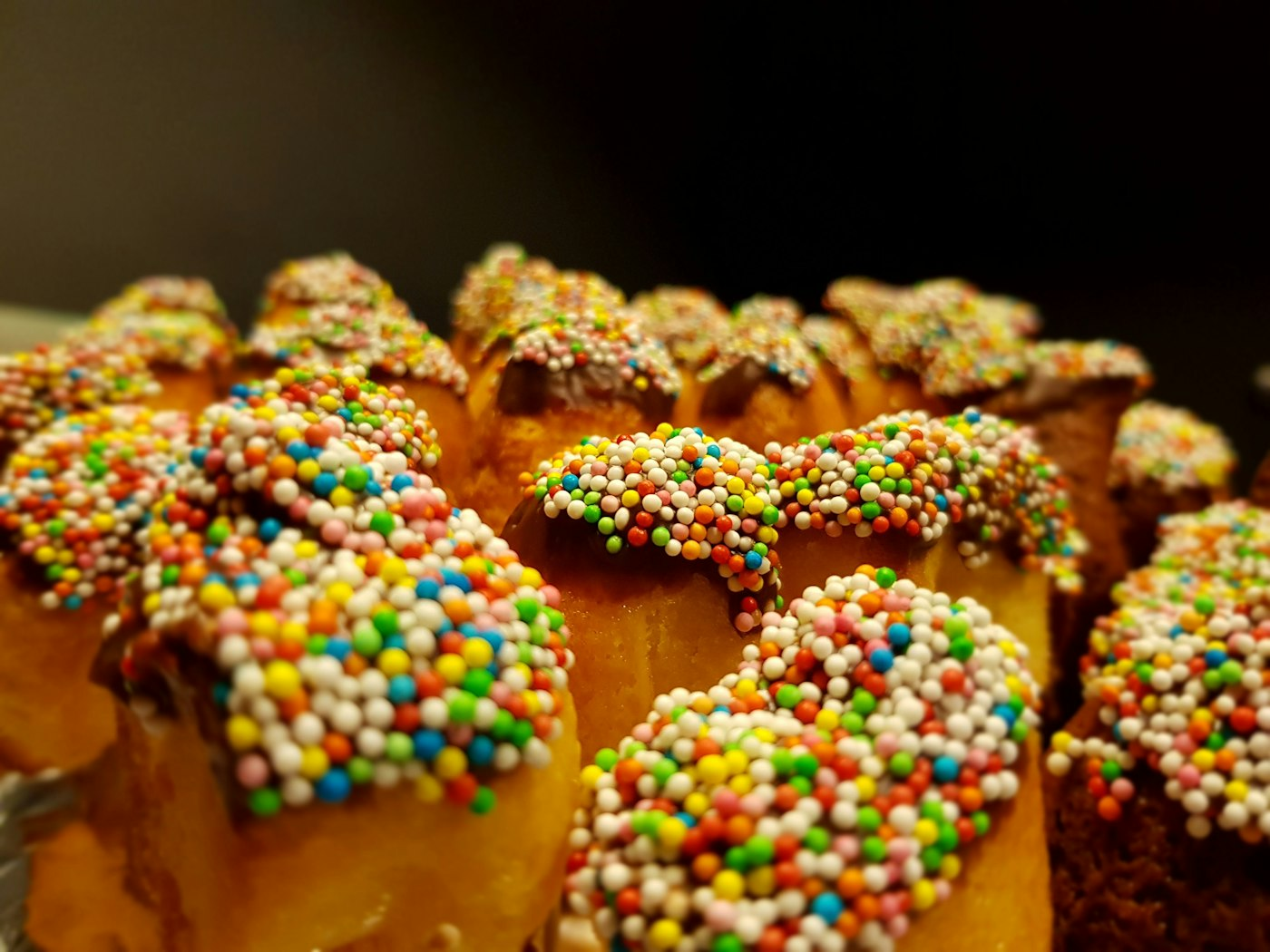
- Cookie decorating. Bake or buy plain cookies ahead of time, then set out frosting in squeeze bottles and large sprinkles.
- Sandwich shapes. Children press cookie cutters into bread, add a spread and assemble their own sandwich stars and hearts.
- Yogurt parfaits. Layer yogurt, soft fruit and crushed graham crackers in clear cups so children can see their creation.
- Fruit faces. Give each child a rice cake or a plate and soft fruit pieces to make silly faces.
- Smoothie bar. Children choose fruit and drop it into the blender jar. A grown-up does all the blending.
Food Safety and Toddler Tips
Cooking with little ones means paying extra attention to what goes into their mouths. Foods such as whole grapes, nuts, popcorn, hard raw vegetables and large chunks of meat or cheese are common choking hazards for children under four. Cut grapes and similar fruits into small pieces lengthwise, offer soft foods, and leave skewers and toothpicks out of the toddler stations.
Ask parents about food allergies when they RSVP, and plan the menu around them. Common allergens such as milk, eggs, wheat, soy, peanuts and tree nuts turn up in many no-bake ingredients, so read labels and keep allergy-friendly alternatives on hand. Keep dairy and other perishables in the refrigerator until each station starts, and put leftovers away promptly.
Making It a Party
A cooking party flows best with a little structure. Welcome everyone with aprons and hats, then move through the stations in small groups. Sit down together to eat what the children have made, then bring out the birthday cake and let the birthday child add a final shower of sprinkles. Take photos of each chef with their creation, since the food will not last long.
Send each child home with their apron or hat, a recipe card with a simple picture of what they made, and perhaps a wooden spoon. Parents tend to appreciate a favor that encourages helping in the kitchen, and children get to keep being chefs long after the party ends.
Planning the Cooking Party, Step by Step
A no-bake cooking party takes a little more prep than many themes, because so much of the work happens before guests arrive. Here is the order we suggest.
- Choose your stations. Pick three or four that suit the ages of your guests. Toddlers do best with simple decorating and assembling; preschoolers can handle a little more.
- Check allergies. Collect allergy information with RSVPs and adjust ingredients before you shop.
- Shop and prep. The day before, bake or buy plain cookies, wash fruit, and portion toppings into small containers.
- Cut ahead. On party morning, cut soft fruit into small, safe pieces, slice bread and prepare frosting bags or squeeze bottles. Keep everything chilled.
- Set the stations. Cover tables, place rimmed trays at every spot and lay out tools in the order children will use them.
- Assign helpers. One adult per station keeps things moving and makes sure little hands stay safe.
A Sample Hour of Cooking
- First 10 minutes: Aprons, hats and handwashing.
- Next 30 minutes: Small groups rotate through the stations, about ten minutes each.
- Next 15 minutes: Sitting down together to eat the creations.
- Final 5 minutes: Cleanup song and a wash before cake.
Kitchen Skills Little Chefs Can Practice
A cooking party is a chance for children to try real kitchen skills at their level. A few that work well for toddlers and preschoolers:
- Pouring: From a small pitcher into a bowl, with a tray underneath for spills.
- Spreading: With a child-safe spreader or the back of a spoon.
- Sprinkling: Pinching toppings and dropping them on top.
- Layering: Building a parfait one spoonful at a time.
- Pressing: Using cookie cutters on soft bread.
- Stirring: Mixing yogurt with fruit in a large, stable bowl.
Praise the effort rather than the result. A lopsided sandwich star is a masterpiece to the chef who made it.
Common Mistakes With Cooking Parties
- Too many stations. Every station needs an adult and a cleanup plan. Three good ones beat six rushed ones.
- Too much sugar. Frosting, sprinkles, smoothies and cake add up quickly. Balance sweet stations with savory or fruit-based ones.
- Not enough wipes. Sticky hands and faces need regular cleaning. Keep wipes and paper towels at every station.
- Forgetting to label take-home items. Children who make something to take home want their own. Label containers with names as you go.
- Letting the smoothie bar run itself. Blenders have sharp blades. The adult at that station handles the blender at all times, and it stays unplugged when not in use.
Questions Parents Ask
What age is a cooking party best for?
Children from about two and a half to six enjoy it most. Younger toddlers can join in decorating and tasting with a parent by their side.
How do I handle a guest with a serious allergy?
Talk with the child’s parent ahead of time, plan stations that avoid the allergen entirely where possible and keep ingredients clearly labeled. Following the parent’s guidance is always the best approach.
How many chefs per station?
Groups of three or four toddlers, or four to five preschoolers, give each child room to work and a turn with every tool.
Can the cooking happen outside?
The whole point on a hot day is a cool kitchen. Outdoors, frosting melts, flies arrive and perishable foods warm quickly, so indoors is the better choice in July.


