
Put on a favorite song at a toddler party and watch what happens. Little ones bounce, sway, spin and clap, often before they even realize they are dancing. Music is one of the easiest ways to bring a group of young children together, and it needs very little setup.
Why Music Works With Young Children
Music and movement activities support many areas of early development. They encourage children to listen, follow simple directions, coordinate their bodies and express themselves. Repetitive songs with actions help children learn patterns and words. For a party host, music also offers a natural way to gather a group for a shared moment between stretches of free play.
Classic Games That Never Get Old
- Freeze dance: Children dance while music plays and freeze when it stops. For toddlers, skip the “out” rule so everyone keeps playing.
- Action songs: Songs with built-in movements, such as clapping, stomping and turning around, are perfect for little ones. Many traditional nursery songs work beautifully.
- Follow the leader: An adult leads movements like marching, hopping or flapping arms while children copy.
- Fast and slow: Play music that changes tempo and encourage children to move quickly or slowly to match.
- Musical statues with poses: When the music stops, call out a pose such as “tall like a tree” or “small like a mouse.”
Add Simple Props
Props make music time even more engaging:
- Lightweight scarves for waving and twirling
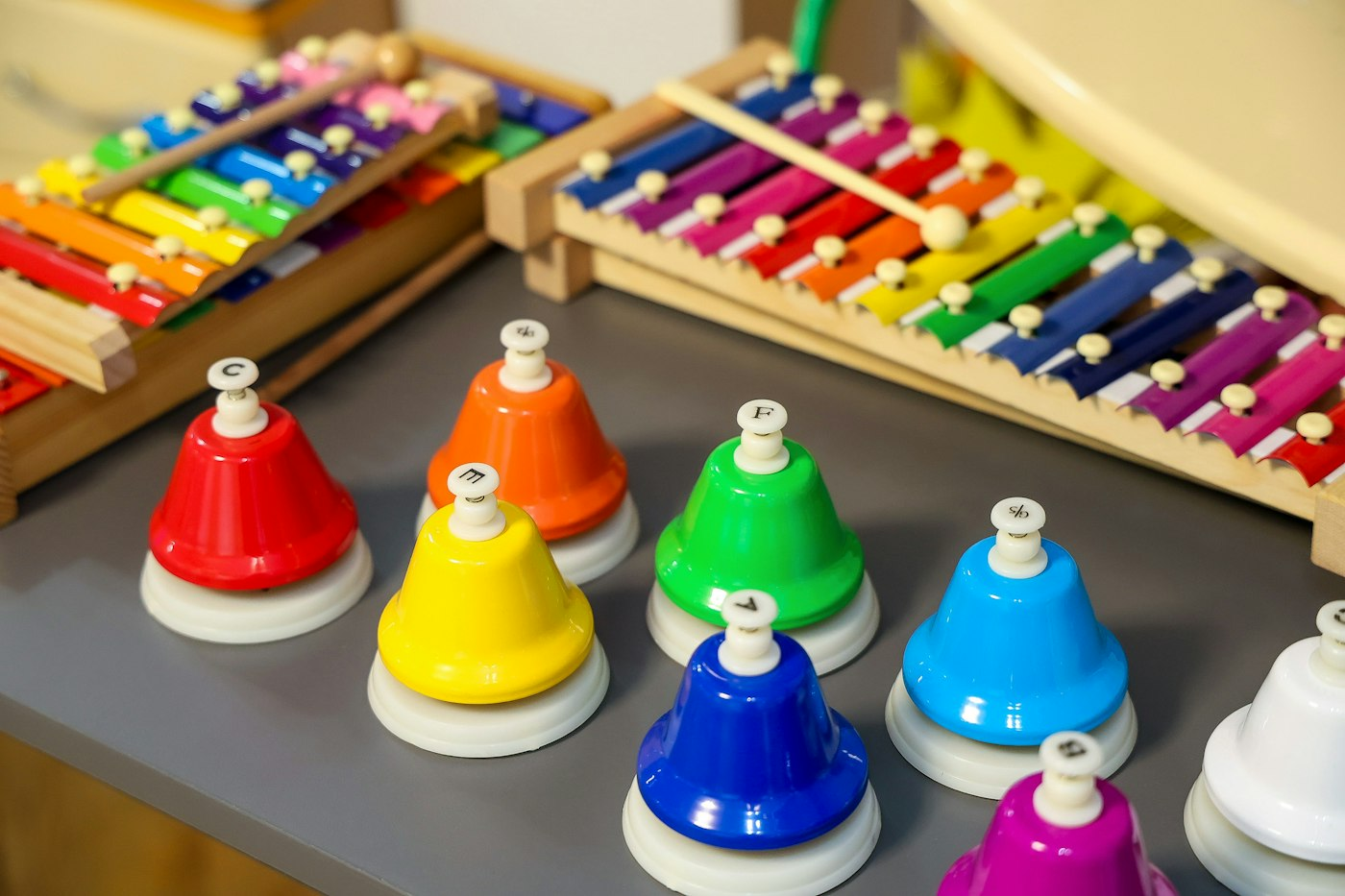
- Shakers, small drums and bells sized for little hands
- Ribbon wands with short ribbons, used with supervision
- A play parachute, which children hold and lift together while music plays
Parachute play is a favorite at many toddler gatherings. Children lift the parachute high, run underneath or bounce soft balls on top. It works best with adults helping hold the edges.
Where to Hold Music Time
Music and movement need open floor space. Choose an area separate from climbing equipment so dancing children do not collide with those on slides or ramps. If your space is limited, consider pausing play on the soft play equipment during music time and gathering everyone in a circle nearby. Keep the floor clear of toys and cords, and remind children that socks can be slippery on hard floors.
Choosing the Music
Pick songs with a cheerful beat and lyrics that suit young children. A short playlist of about ten to fifteen minutes is plenty for a music session, since toddlers’ attention can shift quickly. Keep the volume moderate. Loud music can overwhelm some children, especially those sensitive to noise, and makes it harder for parents to talk.
Music can also set the mood for the rest of the party. Upbeat songs during play, a calm track during snacks and a familiar lullaby as guests leave give the celebration a natural rhythm. Even a simple sing-along can become a favorite memory, as children discover the joy of moving and making music with their friends.
A Sample Music Session for Toddlers
A short, well-paced music session can be one of the highlights of a party. Here is a simple fifteen-minute structure to try:
- Gathering song (two minutes): Start with a familiar, gentle song while children join the circle. This signals that music time has begun.
- Action song (three minutes): Move into a song with clapping, stomping or turning. Adults model each movement.
- Scarf dance (three minutes): Hand out scarves for waving high and low, fast and slow.
- Freeze dance (three minutes): A few rounds of dancing and freezing, with silly poses called out by an adult.
- Parachute or shaker time (three minutes): Gather around the parachute or shake instruments along to a cheerful tune.
- Calm-down song (one minute): End with a slower song or a quiet clapping rhythm to settle energy before the next part of the party.
Adapting Music Games by Age
Babies
Babies enjoy being bounced gently, swayed and sung to by a parent. Soft shakers and simple songs with repetition are ideal. Keep volume low and let babies observe from a parent’s lap if they prefer.
Young Toddlers
Young toddlers love copying adults and repeating the same song. Keep games simple, with one or two movements per song, and expect children to wander in and out.
Older Toddlers and Preschoolers
Older children enjoy a bit of challenge, such as following changing directions, playing instruments on cue or inventing their own dance moves for others to copy. They may also enjoy taking turns as the leader.
Leading Music Time With Confidence
Many parents feel shy about leading songs, but toddlers are a forgiving audience. A few tips help:
- Be enthusiastic. Children follow your energy. Big smiles and exaggerated movements draw them in.
- Use simple cues. A raised hand for “freeze” or a clap to start helps children understand without lots of words.
- Repeat favorites. Toddlers love repetition. Singing the same song twice is often more popular than adding a new one.
- Invite helpers. Older siblings or another adult can help demonstrate movements and keep the circle together.
- Stop while it is fun. End the session while children are still engaged rather than waiting for attention to fade.
Common Music Time Mistakes
- Running too long. Toddlers rarely stay engaged for more than fifteen minutes. Short and lively is best.
- Instruments with small parts. Choose sturdy instruments designed for young children, and check for loose pieces.
- Dancing near climbers. Keep dancing children away from slides and ramps to avoid collisions.
- Elimination rules. Being “out” can upset toddlers. Keep every child in the game.
Questions Parents Ask About Music at Parties
What if children will not join in?
Many young children watch before participating. Let them observe. Often they join halfway through or copy the movements later.
Should we hire a musician?
Some families enjoy live music, but it is not necessary. A playlist and an enthusiastic adult can create a wonderful music moment.
How do we keep music time from becoming too wild?
Alternate fast and slow songs, and finish with a calm one. Ending on a quiet note helps children transition smoothly to snacks or free play.
Can music time happen more than once?
Yes. A short session early in the party and another just before goodbyes can bookend the celebration nicely, as long as each one stays brief and children are free to skip it in favor of play.


