

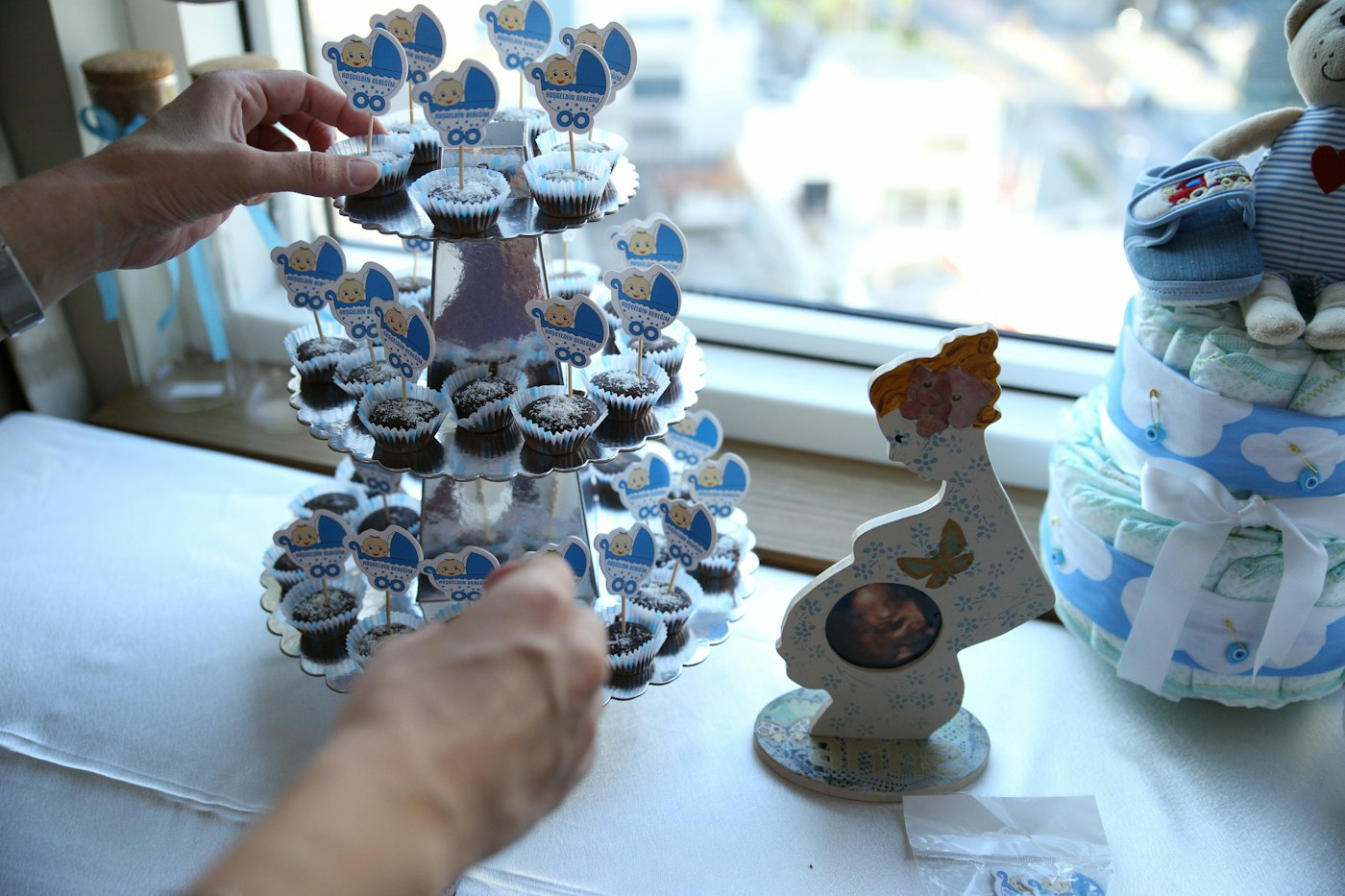
Baby showers and sip and see gatherings are typically designed with adults in mind. But many guests are parents of young children, and big brothers and sisters to the new baby often attend too. Planning a space for little ones makes the event more relaxed for everyone, including the guests of honor.
What Is a Sip and See?
A sip and see is a gathering held after a baby arrives, where friends and family come to meet the newborn, often with light refreshments. It has become a popular alternative or addition to a traditional baby shower. Because the baby is present, it is usually a calm, low-key event with a relaxed flow of guests.
Why a Play Area Helps
Young children at an adult-focused event can get bored quickly, and parents end up spending the gathering chasing them. A dedicated play area gives children something fun to do and gives parents a chance to visit. For older siblings of the new baby, having their own special space can be meaningful too. It sends a message that the day is happy for them, not just about the baby.
Keep It Separate and Calm
Position the play area away from the main gathering, especially away from where the newborn will be. Newborns are sensitive to noise and illness, and active toddlers need room to move. Ideal setups include:
- A nearby room or a clearly defined corner with a soft play area
- Space for parents to sit near the play area while keeping an eye on kids
- A neutral or pastel palette that complements the event decor
- A few quiet activities, like books or coloring, for children who want calm
Arrange Supervision
At adult-focused events, it is easy for everyone to assume someone else is watching the children. Ask each family to supervise their own little ones, or arrange for a trusted helper to watch the play area. Some families ask a teenage relative or family friend to help. Be clear about expectations so no child is unattended.
Health Considerations for the Newborn
Many parents of newborns are cautious about germs. A gentle note on the invitation asking guests to stay home if they feel unwell is a kind, common practice. A hand-washing or sanitizer station near the entrance and before holding the baby is easy to set up. Follow the new parents’ preferences on who holds the baby and when. For specific questions about newborn health, their pediatrician is the right resource.
Older siblings can feel overlooked when a new baby arrives. A small gift from the baby, a special role like greeting guests or a “big sibling” sign in the play area can help them feel celebrated. Including them in photos with the baby and guests creates lasting memories. With a little planning, a baby celebration can welcome the whole family, from the newest arrival to the proudest big brother or sister.
Planning the Day From Start to Finish
Because a sip and see or shower usually has a looser flow than a birthday party, guests may come and go over a couple of hours. A simple plan keeps the children’s area running smoothly the whole time.
- Decide on the children’s space early. Choose the room or corner when you first plan the event, so decor, food and seating can be arranged around it.
- Note children on the RSVP. Ask guests how many little ones are coming and their approximate ages, so you can plan the play setup and snacks.
- Choose a supervision plan. Decide whether parents will watch their own children or a helper will be stationed in the play area, and say so on the invitation or in a reminder.
- Set up a kids’ snack spot. A small table with simple, familiar snacks near, but not inside, the play area keeps children from wandering into the main gathering with sticky hands.
- Prepare the newborn’s retreat. A quiet room where the new parents can feed, change or rest with the baby should be far from the play area.
- Brief the big sibling. Let the older child know ahead of time what the day will look like, including their special space and any special role.
Making It Special for Big Brothers and Sisters
For an older sibling, a celebration of the new baby can stir up a mix of pride, excitement and uncertainty. A few thoughtful touches help them feel like an important part of the day:
- A job of their own. Handing out favors, showing friends the play area or helping greet guests at the door gives them a sense of purpose.
- Their own guests. Inviting one or two of the sibling’s friends gives them someone to play with and something to look forward to.
- A moment of attention. Encourage close family to spend a few minutes with the older child before visiting the baby. Being noticed first can mean a great deal.
- A keepsake. A photo of the big sibling holding or sitting beside the baby, with a parent’s help, becomes a treasured memory.
Common Hosting Mistakes to Avoid
- Placing the play area too close to the baby. Happy toddler noise carries. Distance protects the baby’s rest and lets children play freely.
- Assuming someone will supervise. At grown-up events, it is easy for children to slip between adults. A clear plan prevents this.
- Overstimulating decor. Bright, busy decorations near the play area can rev children up. A calm, neutral palette fits both the event and the children’s space.
- Forgetting that new parents tire quickly. Keep the event a manageable length, and let guests know the timing in advance.
Questions Hosts Ask About Including Children
Is it all right to invite children to a baby shower?
Many hosts do, especially when many guests have young families. If you would like an adults-only event, say so kindly on the invitation. If children are welcome, a dedicated play area makes their presence easy for everyone.
How long should the play area be set up?
For the full length of the event, ideally. Guests often arrive at different times, and having the space ready from the start means early arrivals have something to do.
What ages does a play area suit?
Soft play is usually best for babies, toddlers and preschoolers. If older children are attending, a coloring table, books or a simple craft can keep them busy alongside the younger ones.


