

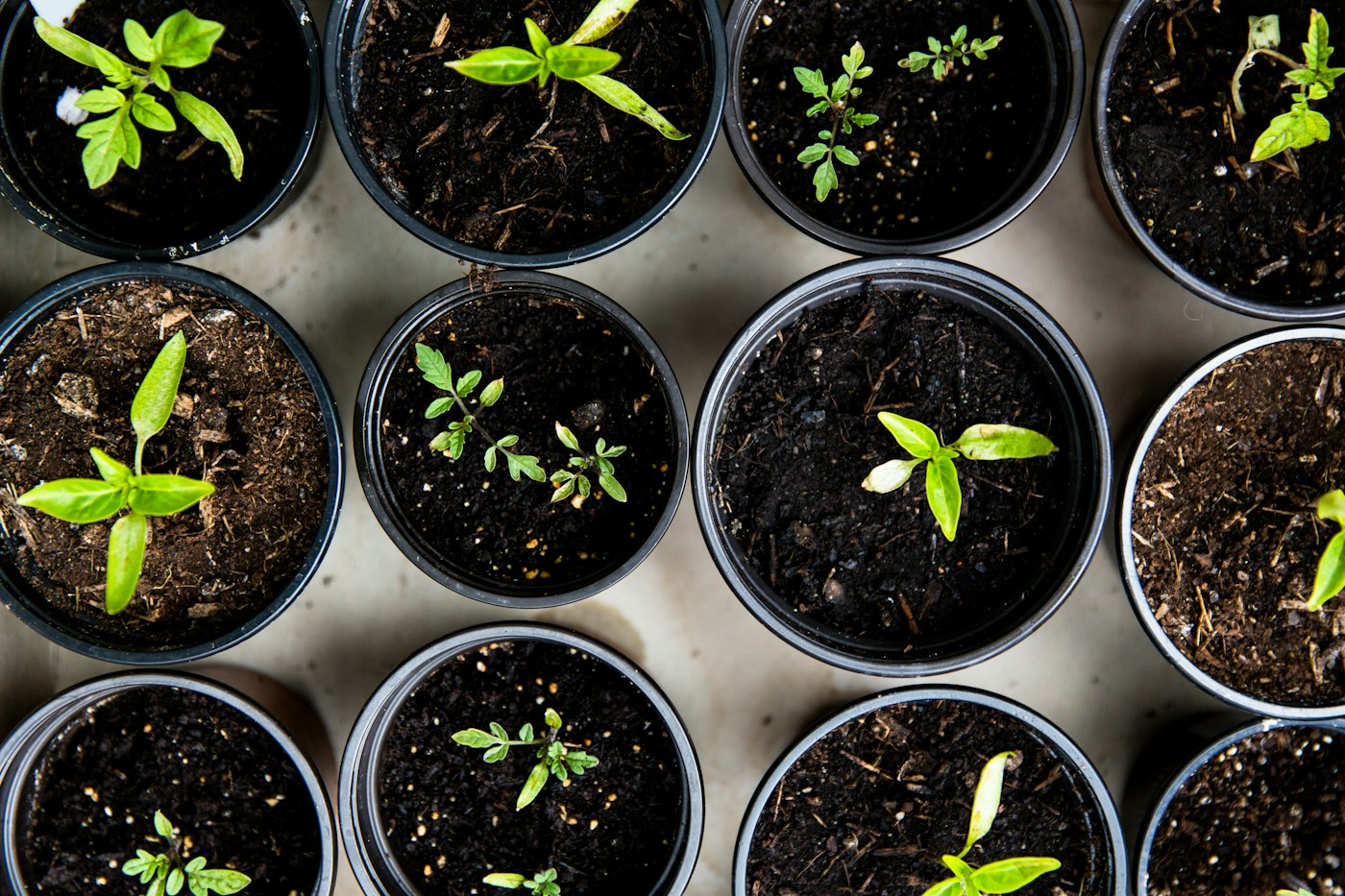
Late April brings Arbor Day in many states and the first truly warm weekends of the year. It is the natural moment for a party activity that sends guests home with something alive. Seed planting works for children from about two years old with help, costs little, suits almost any spring theme and replaces a bag of plastic favors with a pot that grows.
Choose Seeds That Succeed
The best seeds for a party are large, fast and forgiving. Children need to see results within a week or two, and parents need a plant that survives benign neglect. Good choices include:
- Sunflowers, which sprout quickly and grow visibly taller every few days
- Beans, which germinate fast and can even be started in a damp paper towel
- Nasturtiums, with large seeds and cheerful flowers
- Marigolds and zinnias for color later in the season
- Wheatgrass for nearly instant green
Avoid tiny seeds that are hard to handle and easy to inhale or swallow. Keep all seed packets with adults; seeds are a choking hazard for the youngest guests, and some ornamental seeds are not safe to eat.
Set Up the Station
Planting is messy by design, so build the station for mess. Outdoors on a patio is ideal. Indoors, spread a tarp or a plastic tablecloth on the floor and set the planting on a low table children can stand at. You will need:
- Small pots with drainage, whether peat, paper, terracotta or recycled yogurt cups with holes punched
- A bin of moistened potting mix, since dry mix is dusty and blows around
- Small scoops or spoons
- A watering can with a gentle spout, or a spray bottle
- Labels and markers for names
- A wet cloth and a bowl of water for hands
One adult at the station keeps things moving and makes sure soil stays in pots and out of mouths.
Walk Children Through It
Toddlers need the steps broken down and demonstrated. Fill the pot with soil. Poke a hole with a finger. Drop in a seed, or two for luck. Cover it gently. Give it a drink. Each step takes seconds, and each one feels like real work to a two-year-old. Preschoolers can do most of this independently and enjoy writing or decorating their own label.
Keep the explanation simple: the seed is sleeping, and water and sun will wake it up. Children do not need the science yet. They need the wonder.
Send It Home Well
A newly planted pot does not travel well in a toddler’s hands. Set finished pots in a tray away from the party and hand them to parents at pickup, along with a simple card that says what was planted, how often to water and where to put it. A sunny windowsill and a drink every few days is enough instruction for most seeds.
Connect It to the Day
Planting pairs easily with other spring activities. A garden-themed party, a baby animals theme or an Earth Day celebration all absorb a seed station naturally. If the party happens on or near Arbor Day, which many states observe on the last Friday in April, a small tree seedling for the birthday child to plant in the yard makes a lovely family moment and a marker that will outlast every other favor.
Weeks later, when a sunflower leans toward the window in a guest’s kitchen, the party is still happening in a small way. That is a favor worth giving.
Running the Station Without Chaos
A seed station looks simple on paper, but a dozen small gardeners arriving at once can turn a table into a mud slide. A little structure keeps it joyful.
- Pre-fill half the pots. For guests under three, fill each pot about two-thirds with soil before the party. Children still get to add the last scoop and pat it down, but the bin does not empty onto the ground in the first five minutes.
- Limit the station to four or five children at a time. A short line, or a second activity nearby, keeps hands from crowding the soil bin. Bubbles, a coloring table or free play on the soft play setup all make a good holding pattern.
- Label first, plant second. Write each child’s name on the pot or label before any soil goes in. Once twelve identical pots are lined up on a tray, nobody remembers whose is whose.
- Pre-sort seeds into tiny cups. Put two or three seeds in a small paper cup for each child rather than passing a packet around. The adult hands over a cup, the child plants, and the leftovers stay out of reach.
- Finish with the watering can, not the hose. One gentle drink per pot is plenty. Overwatering at the party leaves pots soggy and heavy for the ride home.
Plan on about ten minutes per small group. If the party has twenty children, that means the station runs for most of the first hour, so give it a dedicated adult who does not also have to watch the cake or greet arrivals.
Keeping Soil Off the Play Area
Potting mix and play equipment do not mix well. Damp soil tracked onto vinyl mats and slides smears, stains light colors and makes surfaces slippery. Place the planting table well away from any soft play setup, ideally with a hand-washing stop between the two. A basin of water, a pump bottle of soap and a stack of towels at the edge of the station make the rule easy: wash hands before you play. If the weather allows, a doormat or a strip of artificial turf where children step off the patio catches most of the soil on shoes.
Dress the station for the season, too. Spring mornings can be cool and breezy, and light potting mix will lift off an open bin in a gust. Keep the bin lidded between groups and set it low, out of the wind.
Common Mistakes to Avoid
- Choosing seeds that take weeks to sprout. Slow seeds disappoint children and get forgotten. If in doubt, include a fast grower like beans or wheatgrass alongside anything slower.
- Using pots without drainage. Cups with no holes drown the seed within days. Punch holes before the party, not during it.
- Sending pots home without a saucer or bag. A wet pot on a car seat is a muddy surprise. A small zip bag or a paper cup underneath solves it.
- Skipping the instruction card. Parents are juggling coats, favors and tired children. A card with the seed name and basic care makes success far more likely.
Questions Parents Ask
Can we do this indoors on a rainy day?
Yes. A shower curtain or drop cloth under the table, a smaller soil bin and a strict one-scoop rule make an indoor version manageable. Wheatgrass and beans are especially forgiving for indoor starts.
What if a child does not want to touch soil?
Offer a spoon or scoop and gloves, or let them be the official waterer. Some children prefer decorating the label. Participation counts in every form.
What if the seeds never come up?
It happens. Putting two or three seeds in each pot raises the odds, and choosing fresh seed from the current season helps. A note on the care card encouraging families to try again with the extra seeds turns a dud into a second chance.


