
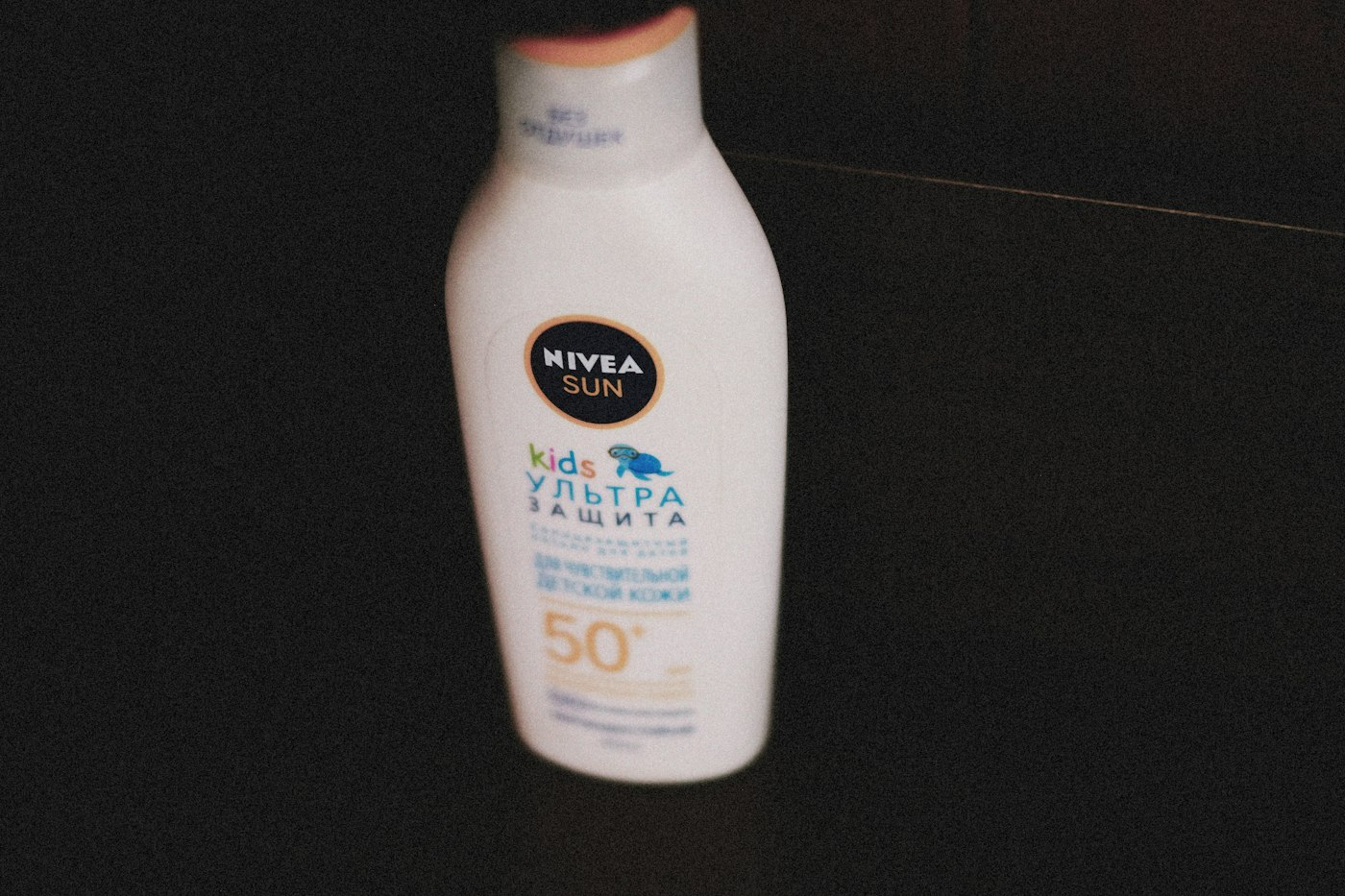
Summer parties come with two bottles that parents reach for again and again: sunscreen and bug spray. Both have an important job to do. Both can also leave a slick, sticky film on small hands and faces, and on anything children touch next, including mats, cushions, slides and toys. With a little planning, children get the protection they need and the play area stays pleasant for everyone.
Apply Before Arrival
The easiest fix is timing. Suggest on the invitation that families apply sunscreen at home before they come. Many sunscreen labels direct users to apply it a little while before sun exposure, which gives the product time to settle on the skin rather than rubbing off on the first surface a child touches. A child who arrives already protected can head straight to play.
For reapplying during the party, follow the product label. Most sunscreens need to be reapplied after a set amount of time and after sweating or water play, so the job does not end at the front door.
Set Up an Application Station
For reapplying, give families a dedicated spot away from the play area and the food table. A small table or bench in the shade, with a trash can, a roll of paper towels and a pack of wipes, keeps lotion and spray contained. Ask that sprays be used only at that station and only outdoors, pointed away from other children and from food. Many safety guidelines suggest spraying sunscreen into an adult’s hands and then applying it to a child’s face, rather than spraying a child’s face directly.
Encourage a quick hand wipe after application, before children go back to play. Lotion on palms is what ends up on slides and cushions.
Insect Repellent Basics
Insect repellent follows the same pattern: apply it before arrival, outdoors and according to the label, and wash it off hands before eating. A few points are worth knowing:
- Read the label for age guidance, since some ingredients are not recommended for babies or young children
- Pediatric guidance generally advises against combination sunscreen and repellent products, because sunscreen needs reapplying more often than repellent does
- Keep repellent away from children’s hands, eyes and mouths, and do not apply it over cuts or irritated skin
- Ask your pediatrician which products are appropriate for your child’s age
Cleaning Up the Residue
Even with good habits, some residue will find its way onto play surfaces. Wipe down high-touch spots such as slide edges, handholds and the tops of cushions during a lull in the party, and again at the end. Use a cleaner that is safe for the material, following any guidelines from the equipment’s owner or manufacturer, since some products can damage vinyl or leave a film of their own. A stack of hand towels at the entrance to the play area helps too.
The goal is not to make sun and bug protection harder. It is to give it a place, so children stay protected and every slide and cushion stays ready for the next small climber.
A Simple Routine for Party Day
Good habits are easiest when they are written into the day rather than remembered on the fly. A routine that works for most summer parties:
- On the invitation: add one line, such as “We’ll be outside, so please apply sunscreen and any bug spray before you arrive. We’ll have a spot set up for reapplying.”
- Before guests arrive: set up the application station with wipes, paper towels and a lidded trash can. Place a hand-wipe station at the entrance to the play area.
- At arrival: greet families and point out both stations. Most parents appreciate knowing where to go.
- Mid-party: during a natural pause, such as snack time, remind families that it may be time to reapply. Do a quick wipe of high-touch play surfaces while the children eat.
- At the end: wipe the play area once more and bag up the station’s trash so it is ready to go.
Setting Up the Application Station
The station does not need to be elaborate, but a few details make it work:
- Location: outdoors, in the shade, downwind from the food and play areas so spray drift goes away from people.
- Surface: a small table or bench with a washable cloth, since lotion drips.
- Supplies: unscented wipes, a roll of paper towels, a lidded trash can and a small mirror for adults doing their own faces.
- Seating: a low stool or step where a child can sit still for a minute while a parent applies.
- Signage: a simple sign, such as “Sunscreen and bug spray here, please,” so guests know where to go without asking.
Families bring their own products, since choices about what goes on a child’s skin belong to parents and their pediatricians.
Common Mistakes to Avoid
- Spraying near the play area. Aerosol drift settles on mats, cushions and slides, making them slick and sticky. Keep all spraying at the station.
- Applying right before climbing. Freshly applied lotion on hands transfers immediately. A few minutes and a hand wipe in between make a real difference.
- Skipping the wipe-down. Residue builds up over a party. A quick wipe of slide edges and handholds mid-party prevents a slippery film.
- Using the wrong cleaner on rented equipment. Harsh cleaners can damage vinyl. Ask your provider what they recommend, or stick with a damp cloth and mild soap.
- Forgetting the adults. Grown-ups helping children on the play area also carry lotion on their hands. The hand-wipe station is for everyone.
Questions Parents Ask
Is lotion better than spray for parties?
Many hosts find lotion easier to contain, since it does not drift. Some parents prefer sprays for wiggly children. Either works with a dedicated station and a hand wipe afterward.
Does sunscreen damage soft play equipment?
Some ingredients can leave stains or residue on vinyl over time, which is one reason providers ask for clean hands. Wiping surfaces during and after a party helps keep equipment looking its best.
What about sweat and water play?
Both mean reapplication, according to the product label. Plan water play and dry play in separate areas so wet, freshly lotioned children do not go straight onto the mats.
Should the host keep spare sunscreen?
A spare bottle at the station is a kindness for families who forget, but let parents decide whether to use it on their own children.


